
 EN
EN
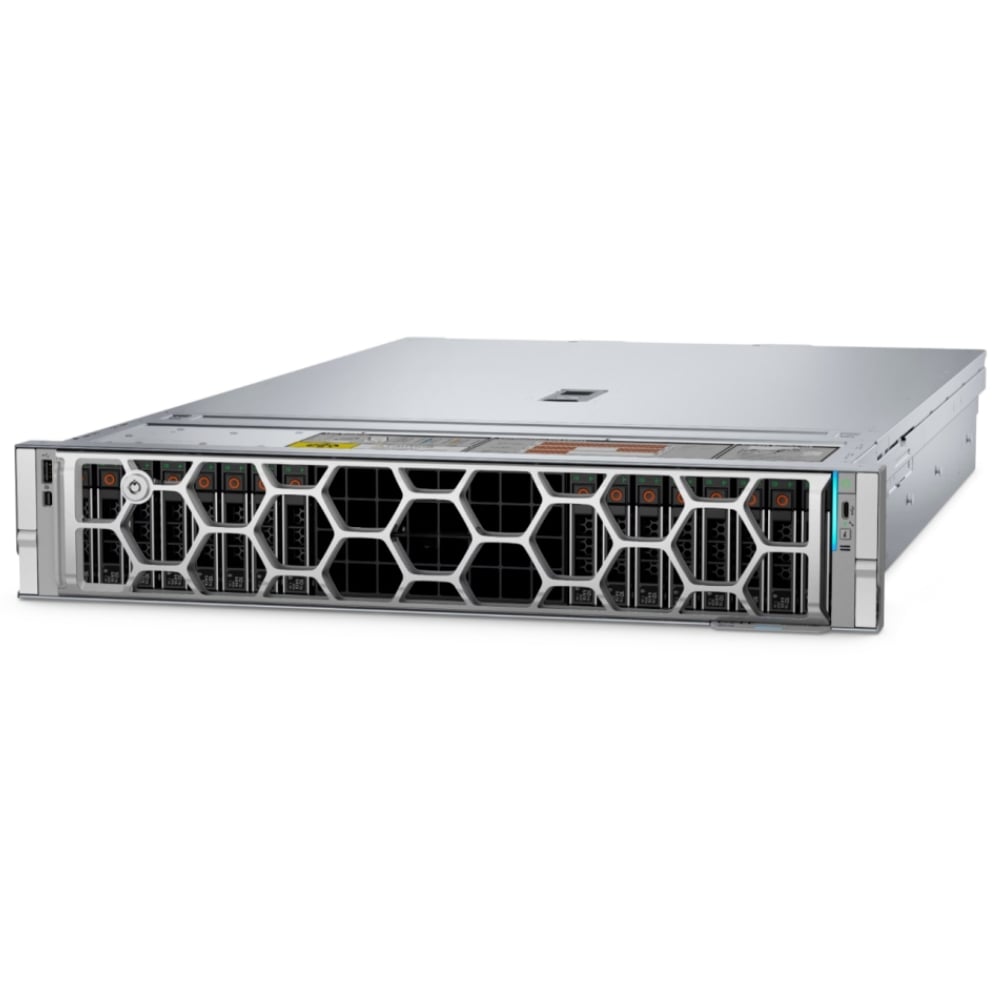
A rack-mount server is engineered with a singular purpose: to fit precisely into a standard equipment rack while delivering maximum compute density and reliable thermal control. As data centers face growing pressure to handle more workloads within the same physical footprint, the rack-mount server has become the dominant platform for modern infrastructure deployment. Understanding how its design choices translate directly into space savings and heat management efficiency is essential knowledge for any IT or facilities decision-maker.
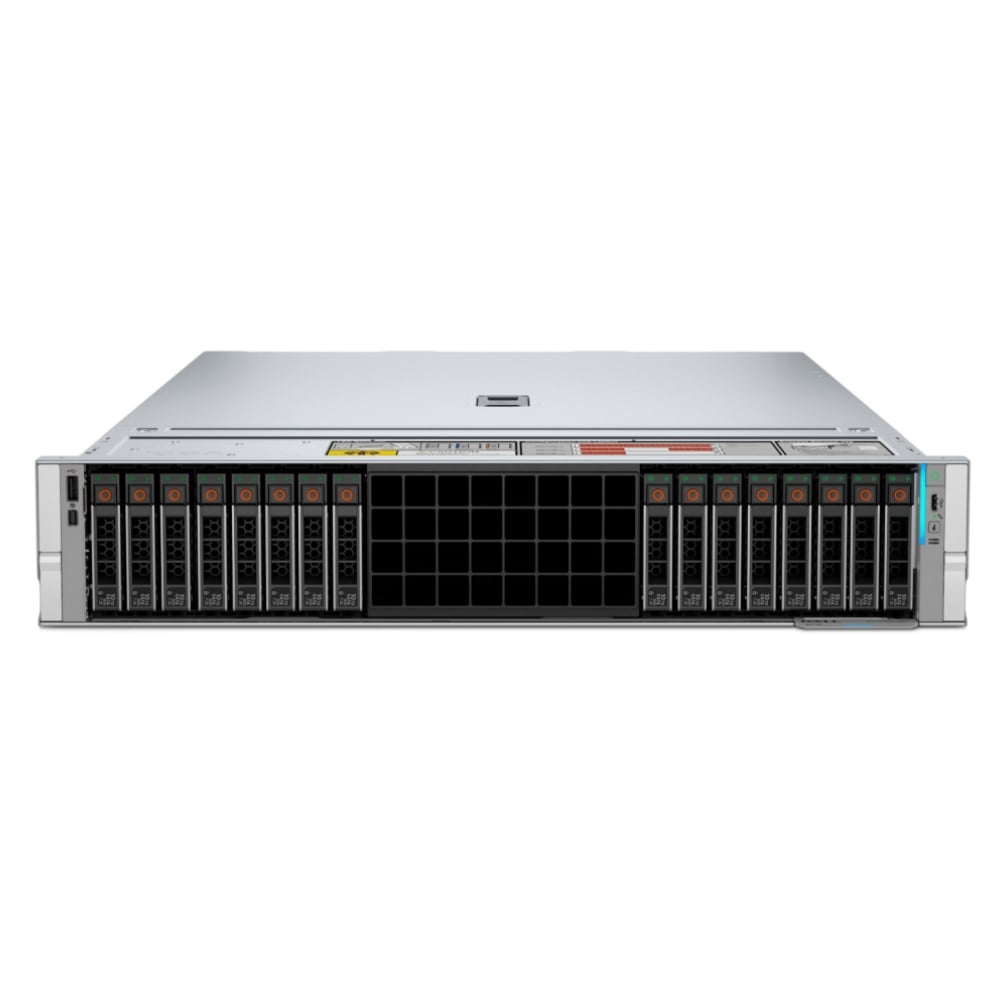
The rack-mount server achieves its advantages through deliberate engineering decisions made at every level, from chassis dimensions to internal airflow topology. A rack-mount server is measured in rack units, commonly abbreviated as U, where each unit equals 1.75 inches of vertical rack space. A 2U rack-mount server, for example, provides a practical balance between component density and cooling capacity, making it a widely adopted form factor across enterprise and cloud data centers alike. This article examines exactly how rack-mount server design addresses the twin challenges of space optimization and thermal efficiency.
Chassis Engineering and Space Optimization
Standardized Form Factor and Rack Density
The rack-mount server chassis conforms to the Electronic Industries Alliance 19-inch standard, which ensures every rack-mount server from any vendor slots into a compatible rack enclosure without modification. This standardization alone delivers significant space efficiency because racks can be filled from top to bottom with rack-mount server units, eliminating wasted vertical gaps. A standard 42U rack can house dozens of rack-mount server nodes simultaneously, concentrating enormous compute power within a single rack footprint that occupies just a few square feet of floor space.
Beyond width standardization, the rack-mount server chassis is designed with depth optimization in mind. Internal component layouts are arranged so that drives, memory, processors, and power supplies all occupy overlapping horizontal planes rather than stacking vertically. This allows a rack-mount server to pack dual high-core processors, large memory banks, and multiple storage bays within a 2U chassis height. The result is a rack-mount server that delivers far greater compute-per-square-meter than tower or blade alternatives in many deployment scenarios.
Cable and Power Management Integration
A well-designed rack-mount server also accounts for cable routing as part of its spatial strategy. Rear-panel port placement on a rack-mount server is arranged to guide power and data cables into managed pathways that do not obstruct airflow channels or adjacent rack-mount server units. Integrated cable management arms allow each rack-mount server to be extended forward for maintenance without tangling neighboring connections. This disciplined cable design keeps the overall rack enclosure organized and avoids the airflow obstructions that poorly managed cabling creates, which directly impacts thermal performance.
Thermal Design and Airflow Architecture
Front-to-Rear Airflow as a Design Foundation
The rack-mount server relies on a well-established front-to-rear airflow model as its thermal foundation. Ambient cool air enters through perforated front bezels, passes across processors, memory modules, and storage devices, and exits as heated air through the rear of the rack-mount server chassis. This directional airflow pattern aligns with the hot-aisle and cold-aisle containment strategies used by most modern data centers, meaning the rack-mount server design and the facility cooling infrastructure reinforce each other. When a rack-mount server follows this standard, its thermal output is predictable and manageable at the room level.
High-speed variable-speed fans within a rack-mount server play a central role in maintaining this airflow discipline. Modern rack-mount server platforms use intelligent fan controllers that monitor internal temperature sensors across multiple zones and adjust fan speed in real time. This prevents unnecessary noise and power draw during low-load periods while guaranteeing sufficient cooling headroom during peak workloads. A rack-mount server equipped with redundant fan modules also provides resilience against fan failure without shutting down, which is critical for continuous data center operations.
Component Layout and Heat Zone Separation
Inside a rack-mount server, the physical placement of heat-generating components is not arbitrary. Processors and their associated voltage regulators are positioned near the center of the rack-mount server motherboard where airflow velocity is highest. High-capacity NVMe drives and memory modules are arranged in rows that allow air to flow between them with minimal obstruction. Power supply units in a rack-mount server are typically located at the rear to exhaust heat directly without routing it across sensitive compute components. This deliberate zoning within a rack-mount server chassis prevents hot spots from developing and maintains consistent component operating temperatures across the platform.
Operational Efficiency and Data Center Integration
Power Efficiency and Thermal Load Predictability
A rack-mount server is designed to operate with high power efficiency ratings, frequently conforming to 80 PLUS Platinum or Titanium standards at the power supply level. Efficient power conversion in a rack-mount server means less energy is lost as waste heat, which directly reduces the thermal load that the facility cooling system must handle. For data center operators, this relationship between rack-mount server power efficiency and cooling demand directly influences the power usage effectiveness metric, which is a key operational benchmark. Deploying a rack-mount server with higher efficiency ratings therefore produces compounding benefits at both the server and facility levels.
The thermal output of a rack-mount server is also highly predictable compared to improvised or non-standard server deployments. Because a rack-mount server conforms to known thermal design power specifications, data center planners can calculate cooling requirements per rack with precision. This predictability allows facilities teams to right-size cooling units for specific rack-mount server deployments rather than over-provisioning expensive cooling capacity as a buffer against uncertainty.
Remote Management and Thermal Monitoring
Modern rack-mount server platforms include dedicated out-of-band management processors that provide continuous visibility into thermal conditions without consuming production compute resources. These management systems allow operators to monitor individual rack-mount server temperature sensors, fan speeds, and power draw from a central dashboard. Early warning alerts enable proactive responses before thermal anomalies affect rack-mount server stability or workload performance. For large deployments where many rack-mount server units operate within the same facility, centralized thermal monitoring becomes a powerful tool for maintaining efficiency across the entire data center infrastructure.
FAQ
What makes a rack-mount server more space-efficient than a tower server?
A rack-mount server uses a flat, horizontally oriented chassis designed to stack vertically inside a standard rack enclosure. This allows many rack-mount server units to share the same rack footprint, concentrating compute density far beyond what individual tower units can achieve in the same floor area. Tower servers stand independently and cannot be stacked, making them far less efficient for data center space planning.
How does the airflow design of a rack-mount server reduce cooling costs?
A rack-mount server uses a structured front-to-rear airflow path that integrates naturally with hot-aisle and cold-aisle containment in data centers. This alignment means the facility cooling system works with the rack-mount server airflow direction rather than against it, reducing the energy needed to remove heat. Intelligent variable-speed fans in a rack-mount server also avoid over-cooling during low-load periods, which further reduces operating costs.
Why is a 2U rack-mount server a popular choice for enterprise deployments?
A 2U rack-mount server provides enough internal volume to support dual high-performance processors, large memory configurations, multiple storage bays, and redundant power supplies within a compact chassis. This balance between component capacity and rack space consumption makes the 2U rack-mount server suitable for a wide range of enterprise workloads including databases, virtualization platforms, and cloud storage applications, without sacrificing density or thermal manageability.
