
 EN
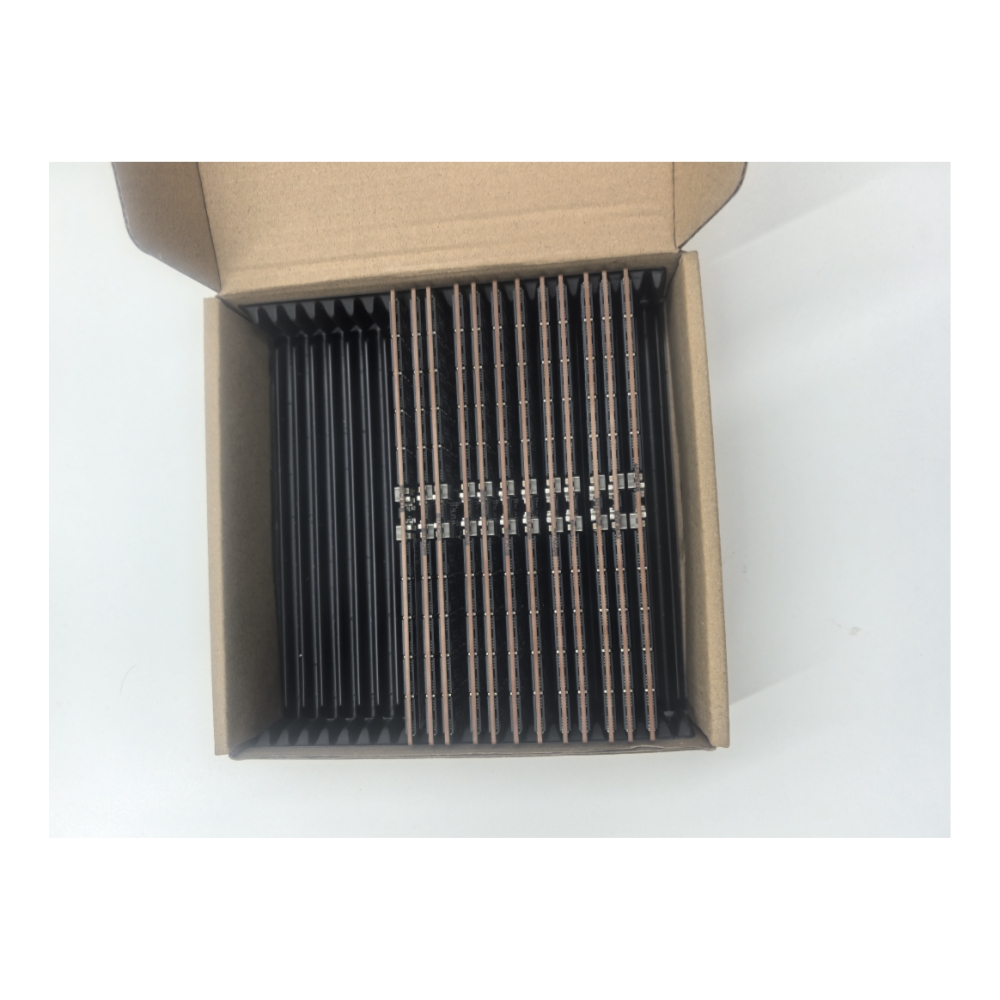
Server and workstation performance hinges on strategic memory configuration. The choice between DDR4 and DDR5 memory, combined with optimal speed and capacity settings, directly influences application throughput, data processing efficiency, and workload completion times. Organizations investing in infrastructure upgrades must understand how memory specifications translate into measurable performance gains and operational cost efficiency.
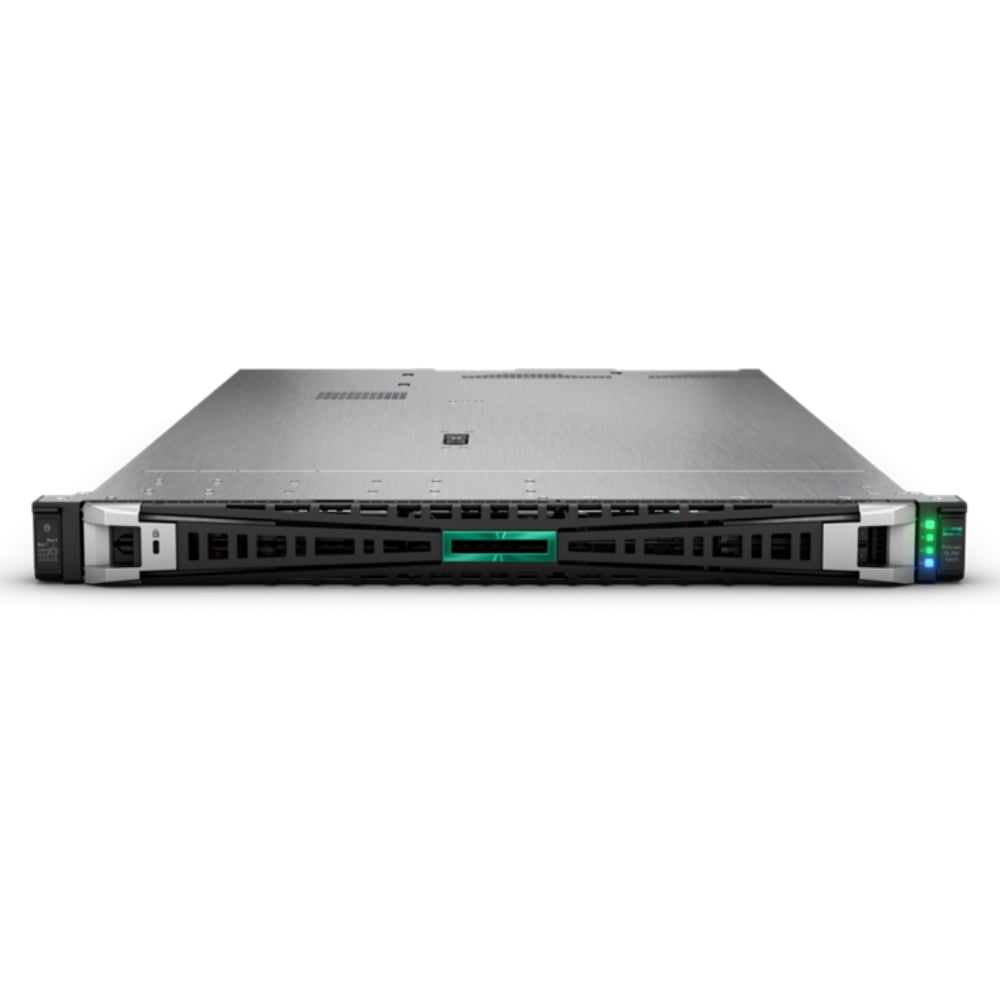
Selecting the right memory configuration requires balancing multiple factors: DDR generation standards, clock speeds measured in megahertz, total capacity in gigabytes or terabytes, and compatibility with existing infrastructure. This guide explores how each memory dimension contributes to server responsiveness, database query performance, and virtual machine density in production environments.
Understanding DDR4 and DDR5 Memory Architecture
DDR4 Memory Foundation and Specifications
DDR4 memory has dominated enterprise data centers for over a decade, offering proven reliability and cost effectiveness. Standard DDR4 memory operates at speeds between 2133 MHz and 3200 MHz, with some specialized variants reaching 3600 MHz. This memory generation supports dual-channel, triple-channel, and quad-channel configurations depending on processor socket architecture, allowing organizations to scale memory bandwidth incrementally as performance demands increase.
The typical memory timing specifications for DDR4 include CAS latency values between 15 and 19 clock cycles, measured in nanoseconds. This latency affects how quickly the memory controller can access stored data, influencing response times for I/O intensive workloads. DDR4 memory chips come in standard capacities of 8 GB, 16 GB, 32 GB, and 64 GB per DIMM, enabling configurations ranging from 32 GB minimum installations to 768 GB maximum on high-density motherboards.
DDR5 Memory Capabilities and Performance Advantages
DDR5 memory represents the next generation of server memory technology, introducing significantly higher bandwidth and operational efficiency. DDR5 memory operates at baseline speeds of 4800 MHz, with supported speeds reaching 6400 MHz or beyond on compatible platforms. This roughly 50 percent increase in data transfer rates compared to DDR4 memory delivers measurable performance improvements for memory-intensive applications such as artificial intelligence inference, high-frequency analytics, and real-time data processing pipelines.
DDR5 memory also incorporates architectural improvements including per-DIMM power management, on-DIMM voltage regulation, and enhanced error correction capabilities. These features reduce overall system power consumption compared to equivalent DDR4 memory configurations while improving thermal efficiency. Organizations deploying DDR5 memory benefit from longer equipment lifecycle value and reduced operational electricity costs, particularly in large-scale deployments spanning hundreds of servers.
Capacity Planning and Workload Requirements
Determining Appropriate Memory Capacity
Memory capacity decisions must align with specific application profiles and workload characteristics. A general framework suggests allocating minimum memory sufficient to hold the active working dataset, with additional headroom for operating system overhead, cache buffers, and temporary data structures. Database servers typically require more memory capacity than web application servers, while high-performance computing workstations demand memory configurations scaling with simulation model complexity.
Modern enterprise applications increasingly depend on in-memory caching frameworks and distributed computing platforms that benefit disproportionately from additional memory capacity. Adding memory to these systems often produces better performance improvements than incrementing processor core counts. The relationship between available memory and application performance follows predictable patterns: insufficient memory forces operating systems to use disk-based virtual memory, which operates thousands of times slower than physical memory, creating dramatic performance degradation.
Scaling Memory for Virtual and Containerized Environments
Virtualized infrastructure and containerized application deployments introduce additional memory complexity. Each virtual machine or container requires baseline memory allocation, which sums across the total number of concurrent instances. A server hosting 32 virtual machines, each requiring 8 GB of memory, needs at least 256 GB of physical memory before accounting for hypervisor overhead and memory ballooning dynamics. This multiplicative scaling effect makes memory capacity one of the most critical bottlenecks in virtualized environments.
Kubernetes and container orchestration platforms similarly require careful memory budgeting across node clusters. Undersizing memory in containerized environments frequently causes pod eviction and application restarts, degrading service availability. Strategic memory provisioning in these scenarios often justifies upgrading from DDR4 memory to DDR5 memory, as the cost premium diminishes relative to improved workload consolidation and reduced infrastructure sprawl.
Speed Optimization and Memory Bandwidth Requirements
Memory Speed Impact on System Performance
Memory speed, measured in megahertz or expressed as memory bandwidth in gigabytes per second, fundamentally constrains data transfer rates between processors and storage. Modern processors with multiple cores contending for memory bandwidth create bottlenecks when memory speed cannot keep pace with processor demand. Applications performing sequential memory access patterns benefit more from increased memory speed than those with sparse, random access patterns.
The relationship between memory speed and application performance varies significantly by workload class. Scientific simulations, financial modeling, and engineering analysis workloads typically show 8 to 15 percent performance improvements when upgrading from standard DDR4 memory to maximum-speed DDR4 memory configurations. Conversely, transactional business applications and web services show more modest performance gains from incremental memory speed increases, typically 2 to 5 percent improvements per 400 MHz speed increase.
Balancing Memory Speed, Latency, and Cost Efficiency
Premium memory speed variants carry cost premiums that may not justify the performance benefits for all deployment scenarios. A cost-benefit analysis should compare the additional investment in faster memory against alternative infrastructure improvements, such as NVMe storage expansion or processor upgrades. For many enterprise deployments, selecting mid-range memory speeds offers optimal cost-to-performance ratios compared to both budget and premium alternatives.
Memory latency, distinct from speed, represents the time delay before data transfer begins after a memory request. Lower latency memory reduces response times for latency-sensitive workloads, while higher-latency memory may suffice for throughput-oriented applications. Balancing latency and speed requires understanding specific application characteristics; some workloads benefit from faster memory even with slightly elevated latency values, while others prioritize minimal latency regardless of speed increments.
FAQ
Should organizations upgrade from DDR4 memory to DDR5 memory immediately?
Upgrade timing depends on infrastructure age, current performance bottlenecks, and capital expenditure cycles. Organizations with aging DDR4 memory systems reaching end-of-life should transition to DDR5 memory platforms during standard refresh cycles. However, systems with recent DDR4 memory installations may defer upgrades until performance monitoring demonstrates memory bandwidth as a limiting factor. DDR5 memory platforms offer superior long-term value through reduced power consumption and improved application scalability, justifying planned upgrades even without immediate performance crises.
How much memory capacity do virtualization environments typically require?
Virtualization memory requirements scale with virtual machine density and application requirements per machine. A baseline calculation multiplies the per-virtual-machine memory allocation by the target number of concurrent machines, adding 10 to 15 percent overhead for hypervisor operations. A server hosting 16 virtual machines at 16 GB each requires approximately 256 GB to 288 GB of physical memory. Dynamic workload patterns may justify additional memory capacity to accommodate peak simultaneous instance counts without triggering memory contention penalties.
What memory specifications optimize workstation performance for engineering and design applications?
Engineering workstations benefit significantly from maximum memory capacity, often 256 GB to 512 GB or beyond, combined with moderate-to-high memory speed settings. Complex CAD simulations, rendering workloads, and data analysis applications consume memory proportional to model complexity and dataset size. Memory speed becomes secondary to capacity for most engineering scenarios; prioritize filling available DIMM slots before selecting premium-speed memory variants. DDR5 memory platforms provide forward compatibility and improved efficiency for organizations making substantial workstation investments.
