
 EN
EN
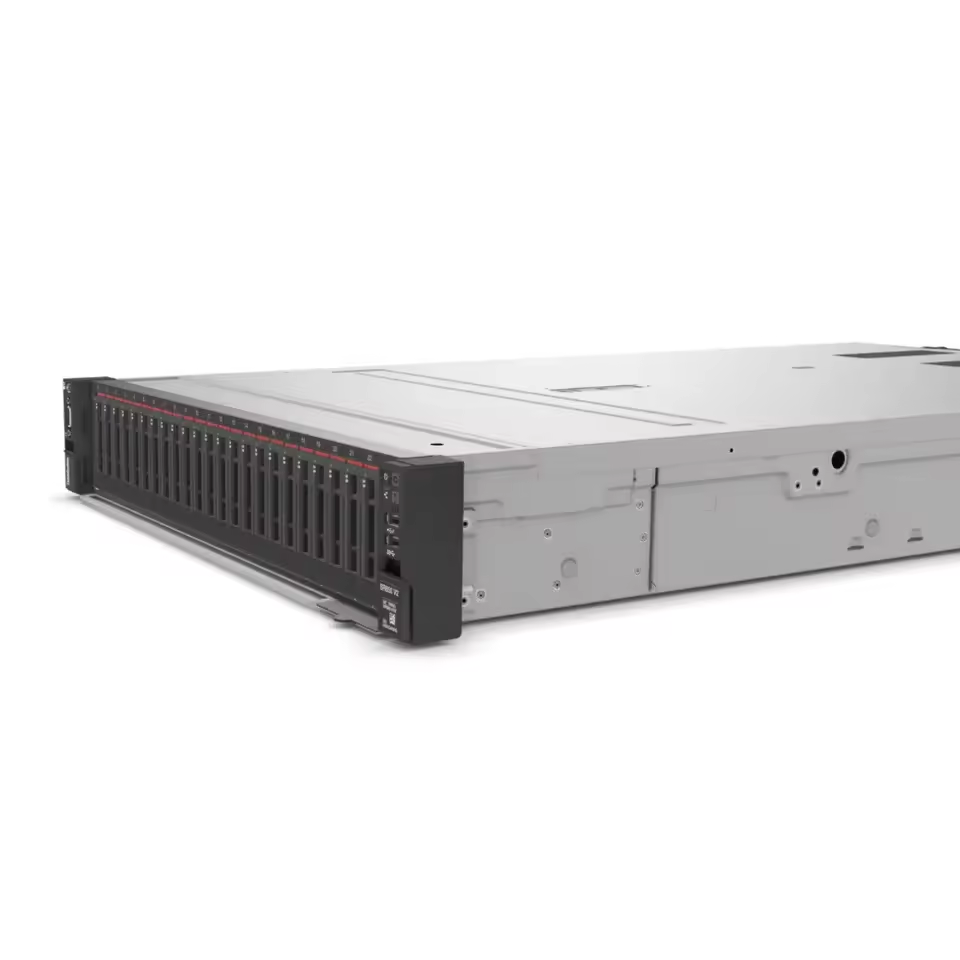
Enterprise IT infrastructure depends fundamentally on robust, scalable, and reliable server solutions that can handle mission-critical workloads without interruption. When organizations invest in high-performance server systems from reputable global brands, they gain access to technologies engineered for maximum uptime, security, and efficiency. A properly architected server environment becomes the backbone of your business IT infrastructure, enabling seamless data processing, application delivery, and business continuity across your entire organization.
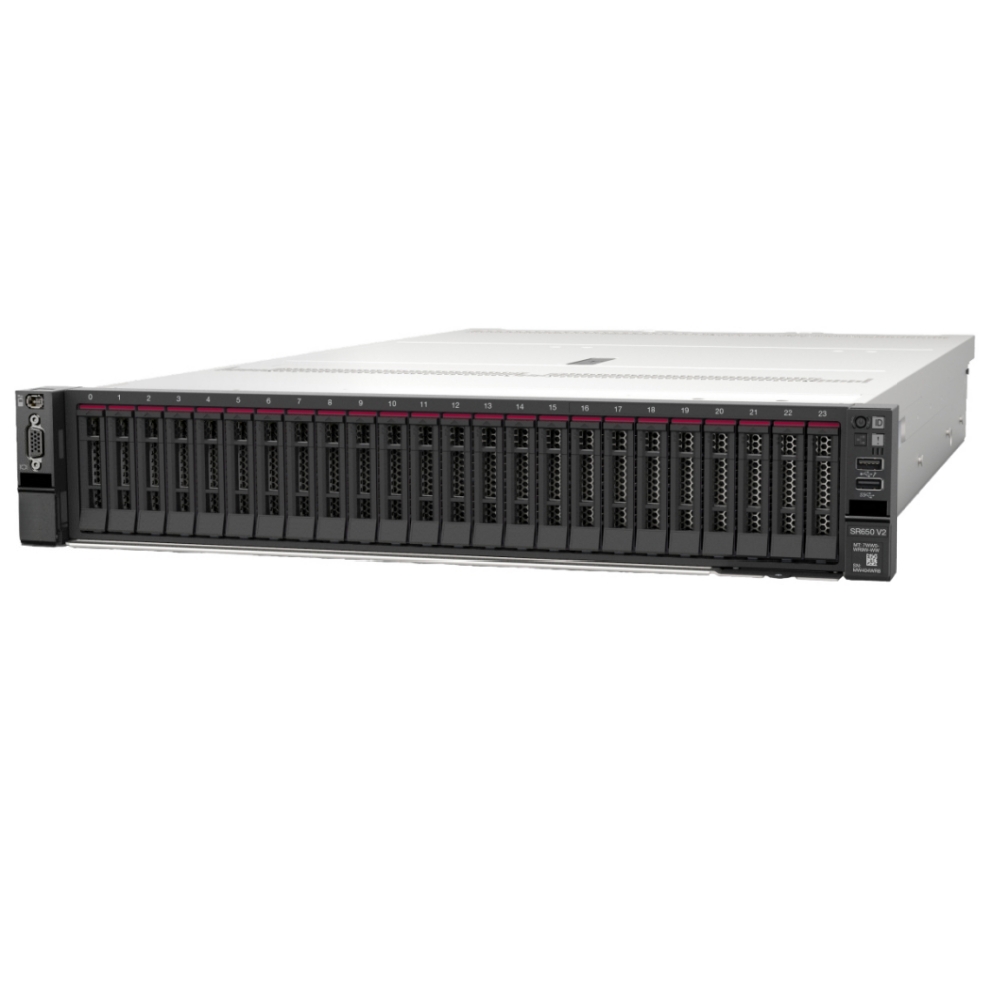
The importance of choosing the right server infrastructure cannot be overstated. Every minute of downtime costs organizations significant revenue and damages customer trust. Enterprise-grade server solutions address these challenges through redundancy, advanced cooling, power management, and sophisticated monitoring capabilities that keep your systems operational around the clock. Understanding how a quality server contributes to your overall business success is essential for making informed infrastructure decisions.
Core Architecture and Design Philosophy
Why Server Design Matters for Enterprise Operations
Leading global brands engineer their server products with specific enterprise requirements in mind. A modern server must balance processing power with energy efficiency, accommodate multiple expansion options, and support virtualization at scale. The design philosophy behind quality server systems prioritizes reliability through redundant components, so if one element fails, the entire server remains operational. This architecture ensures that your server infrastructure maintains continuous availability even during unexpected equipment failures.
Key Hardware Components That Define Server Performance
Enterprise server systems integrate multiple specialized components that work in concert to deliver consistent performance. High-capacity memory modules allow your server to cache frequently accessed data, reducing latency for critical applications. Powerful processors in each server provide the computational resources needed for complex workloads. Advanced storage controllers in modern server designs enable rapid data access and sophisticated caching strategies. When you deploy a server from a reputable manufacturer, you're investing in components that have been tested extensively to ensure they work together seamlessly and maintain peak server performance under demanding conditions.
Reliability, Security, and Business Continuity
How Enterprise Servers Prevent Business Disruption
Organizations rely on their server infrastructure to remain available during critical business hours and beyond. Leading manufacturers implement redundancy at every level of the server, from power supplies to network connections. When your server incorporates dual power inputs, multiple cooling fans, and redundant management systems, the probability of complete server failure drops dramatically. This reliability directly translates to reduced downtime, lower recovery costs, and improved customer satisfaction. A dependable server becomes an invisible workhorse that keeps your business running without drawing attention, which is exactly how enterprise infrastructure should behave.
Security Hardening Within Server Infrastructure
Data security begins at the hardware level, and quality server design incorporates multiple protective layers. Modern server systems include integrated security processors that handle encryption, authentication, and secure boot procedures independently of the main operating system. These dedicated security elements within each server prevent unauthorized access at the firmware level, protecting your sensitive data from sophisticated attacks. Additionally, enterprise server solutions support secure remote management, allowing administrators to access the server securely from anywhere while maintaining strict access controls and comprehensive audit logs.
Scalability and Future-Proofing Your Infrastructure
Designing Server Capacity for Current and Future Demands
Organizations cannot always predict future growth, but effective server infrastructure adapts to changing requirements. Modern server systems feature modular designs that allow you to upgrade memory, storage, and processing capabilities without replacing the entire server. This approach protects your investment while ensuring your server can meet tomorrow's demands without costly equipment replacement. When you select a server platform from established global brands, you gain access to forward-compatible technologies that will remain supported and relevant for years to come.
Virtualization Capabilities and Workload Optimization
Contemporary server systems excel at running multiple virtual machines simultaneously, allowing organizations to maximize hardware utilization. Each server can host dozens of independent virtual environments, each running separate applications and operating systems. This server consolidation strategy reduces physical equipment requirements, lowers cooling demands, and simplifies infrastructure management. Advanced resource allocation features within enterprise server platforms ensure that critical workloads receive priority access to server resources, while less critical tasks receive available capacity during off-peak periods. This intelligent server resource distribution maximizes the return on infrastructure investment.
Selection and Deployment Strategy
Evaluating Your Organization's Server Requirements
Determining the right server configuration begins with understanding your specific workload demands. High-performance computing applications require different server specifications than database servers or web servers, though all fall under the enterprise server category. Organizations must consider processing requirements, memory capacity, storage throughput, network bandwidth, and power consumption when selecting a server for deployment. Consulting with infrastructure specialists helps ensure your server selection aligns perfectly with your anticipated workloads and growth projections.
Procurement and Deployment Best Practices
Successful server implementation requires careful planning beyond hardware selection. Consider purchasing servers with comprehensive support agreements that provide rapid response times and replacement components. Professional server deployment services ensure proper configuration, integration with existing infrastructure, and optimization for your specific environment. Quality server solutions come with management tools and monitoring capabilities that should be deployed immediately. Taking time to establish proper server maintenance routines and documentation practices during deployment prevents problems later and extends the operational life of your infrastructure investment.
FAQ
What distinguishes enterprise server systems from standard computing equipment?
Enterprise server systems incorporate redundancy, advanced management capabilities, and reliability features specifically designed for mission-critical environments. A dedicated server built for enterprise use offers superior uptime guarantees, remote management tools, and support for large workloads that consumer-grade equipment cannot sustain. Additionally, enterprise server solutions provide comprehensive support agreements and longer component lifecycles.
How can organizations calculate server capacity requirements for their business?
Begin by analyzing current workload performance metrics, including CPU utilization, memory consumption, storage input/output patterns, and network throughput. Organizations should project server capacity needs based on expected growth over the next three to five years. Many infrastructure professionals recommend sizing server systems to operate at 60-70% capacity during peak demand, allowing headroom for unexpected traffic spikes and future expansion without immediate hardware replacement.
What role does server management software play in infrastructure operations?
Server management software provides real-time visibility into hardware health, performance metrics, and potential issues before they cause downtime. Comprehensive server management platforms enable remote power control, firmware updates, and diagnostic procedures without requiring physical access to equipment. These tools also facilitate capacity planning by collecting historical performance data, helping organizations make informed decisions about future server investments and infrastructure upgrades.
