
 EN
EN

Choosing the correct switch stacking technology is one of the most consequential decisions a network engineer or IT manager will face when planning seamless network expansion. The wrong choice leads to bottlenecks, incompatibility issues, and costly re-engineering. Understanding what separates one switch stacking technology from another — and what your network actually demands — is the foundation of a sound infrastructure investment.
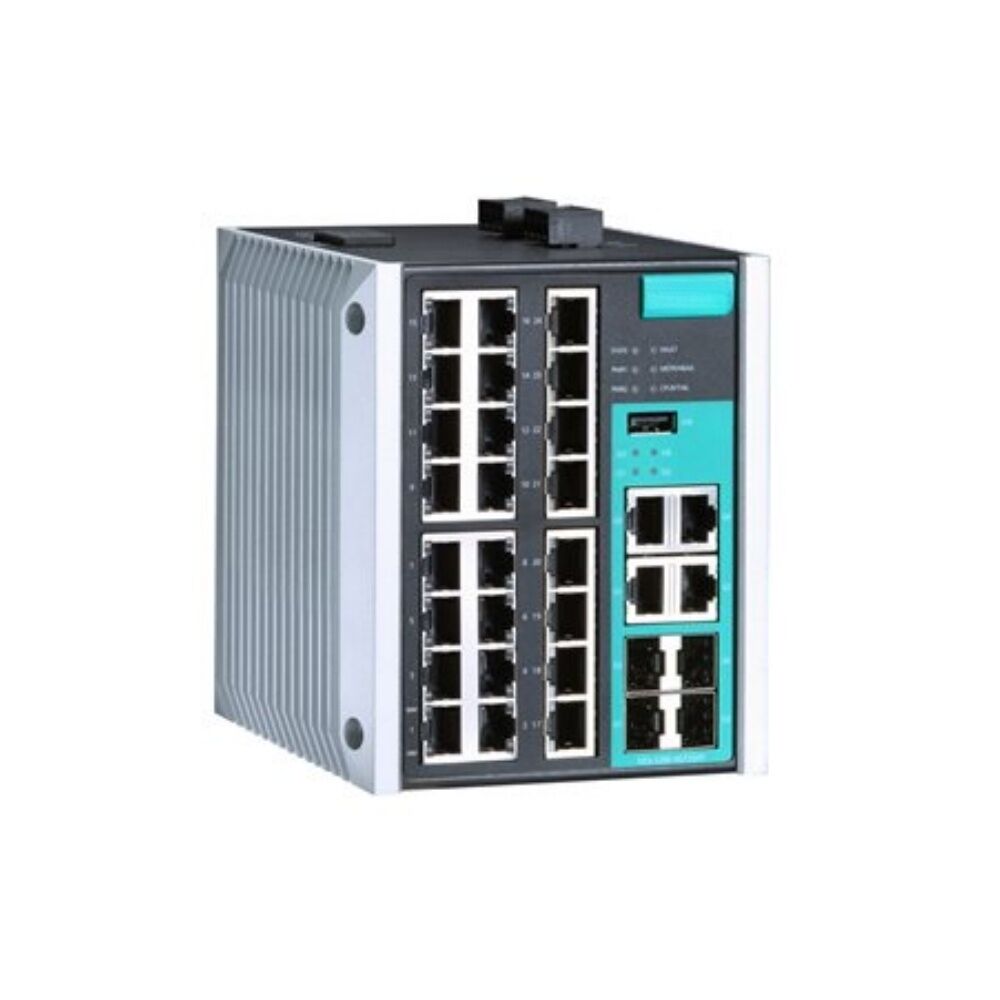
Switch stacking technology allows multiple physical switches to operate as a single logical unit, simplifying management and increasing aggregate bandwidth. Whether you are scaling an industrial facility, an enterprise campus, or a data center edge network, selecting the right switch stacking technology directly affects how efficiently your infrastructure grows. This guide walks through the key selection criteria so your expansion remains seamless and future-ready.
Core Factors That Define Switch Stacking Technology Selection
Bandwidth and Throughput Capacity
Every switch stacking technology delivers a specific backplane bandwidth between stacked units. When evaluating switch stacking technology, always examine the stacking bandwidth per unit and the aggregate stack throughput. A switch stacking technology that provides dedicated high-speed stacking links — rather than sharing uplink ports — ensures that inter-switch traffic does not degrade end-user performance. For high-density environments, switch stacking technology with a non-blocking architecture is essential to prevent congestion during peak loads.
The number of units supported per stack also matters significantly. A switch stacking technology that caps the stack at four units may seem sufficient today, but a growing operation could require eight or more units within two years. Always select switch stacking technology that offers room to scale beyond your immediate requirements, as retrofitting or migrating stacks mid-operation is expensive and disruptive.
Topology and Redundancy Design
Switch stacking technology typically supports ring, daisy-chain, or mesh stacking topologies. Ring-based switch stacking technology provides built-in redundancy — if one stacking link fails, traffic automatically reroutes through the opposite direction, maintaining uninterrupted connectivity. Daisy-chain switch stacking technology, by contrast, creates a single point of failure if a middle unit loses its link. For mission-critical environments, ring-topology switch stacking technology is strongly preferred. Evaluate whether the switch stacking technology you are considering supports automatic failover and how quickly the stack reconverges after a link disruption.
Protocol Compatibility and Management Simplicity
Unified Management Across the Stack
One of the greatest advantages of switch stacking technology is centralized management. With the right switch stacking technology, all stacked units appear as a single device in your network management system. This means a single IP address, one configuration interface, and unified firmware upgrades across the entire stack. When selecting switch stacking technology, confirm that the management plane remains fully accessible even if the master unit in the stack changes due to a failure. High-quality switch stacking technology includes automatic master election and seamless management handover, so administrators retain visibility and control at all times.
Switch stacking technology that integrates with SNMP, RMON, and CLI-based management tools is especially valuable in B2B and industrial deployments. The switch stacking technology should also support role-based access control and VLAN management at the stack level, not just per-unit. These features reduce administrative overhead significantly and help enforce consistent security policies across every port in the stack.
Protocol and Standard Alignment
Not all switch stacking technology uses open standards. Some switch stacking technology relies on proprietary stacking protocols that lock buyers into a single vendor ecosystem. While proprietary switch stacking technology can deliver high performance, it limits flexibility when mixing hardware generations or integrating third-party equipment. Before committing to a switch stacking technology platform, assess whether the stacking protocol is documented, whether it supports mixed firmware versions during upgrades, and how the vendor handles end-of-life transitions. Open or well-documented switch stacking technology protocols reduce long-term vendor dependency and support smoother technology refresh cycles.
Deployment Environment and Industrial Suitability
Environmental Tolerance of Switch Stacking Technology
Network expansion does not always happen in temperature-controlled server rooms. Industrial and edge deployments require switch stacking technology that tolerates wide temperature ranges, high humidity, vibration, and electromagnetic interference. When selecting switch stacking technology for harsh environments, look for units rated to industrial standards such as IEC 61850-3 or EN 50155. Switch stacking technology designed for industrial use typically features fanless cooling, ruggedized enclosures, and hardened connectors. These design choices ensure that the switch stacking technology performs reliably even in substations, factory floors, or outdoor enclosures where consumer-grade equipment would fail.
Power redundancy is another consideration when evaluating switch stacking technology for industrial sites. Dual power inputs on each unit in the stack ensure that a single power supply failure does not bring down the entire switch stacking technology deployment. Combined with ring topology stacking, dual-power switch stacking technology provides multiple layers of resilience that are non-negotiable in critical infrastructure.
Port Density and Media Type Flexibility
Switch stacking technology must match your cabling infrastructure. If your environment relies on fiber optic runs for long-distance segments and copper for device-level connections, the switch stacking technology you select should support both media types natively. Hybrid switch stacking technology platforms that combine copper RJ45 ports with SFP fiber slots give network designers the flexibility to connect both access-layer devices and backbone uplinks without requiring additional media converters. Evaluate the port density per unit within the switch stacking technology stack to ensure you can support current device counts and accommodate planned growth without adding unnecessary switch units.
FAQ
What is the main advantage of using switch stacking technology over standalone switches?
Switch stacking technology unifies multiple physical units under a single management interface, reducing administrative complexity and increasing aggregate bandwidth. Unlike standalone switches that each require individual configuration, switch stacking technology allows administrators to apply policies, firmware updates, and VLAN changes across the entire stack at once, saving time and reducing configuration errors.
How many units can typically be included in a switch stacking technology deployment?
The maximum stack size varies depending on the switch stacking technology platform. Entry-level switch stacking technology may support four to six units per stack, while enterprise-grade switch stacking technology platforms often support eight or more units. Always verify the maximum stack size before purchasing, especially if your network expansion plan anticipates significant growth over a three-to-five-year horizon.
Is proprietary switch stacking technology always a disadvantage compared to open alternatives?
Not necessarily. Proprietary switch stacking technology often delivers superior performance, tighter integration, and more advanced redundancy features compared to open alternatives. The key consideration is whether your organization is comfortable with single-vendor dependency. If long-term flexibility and multi-vendor integration are priorities, open-standard switch stacking technology may be more suitable. If performance and deep feature integration matter most, proprietary switch stacking technology can be the better choice.