
 EN
EN
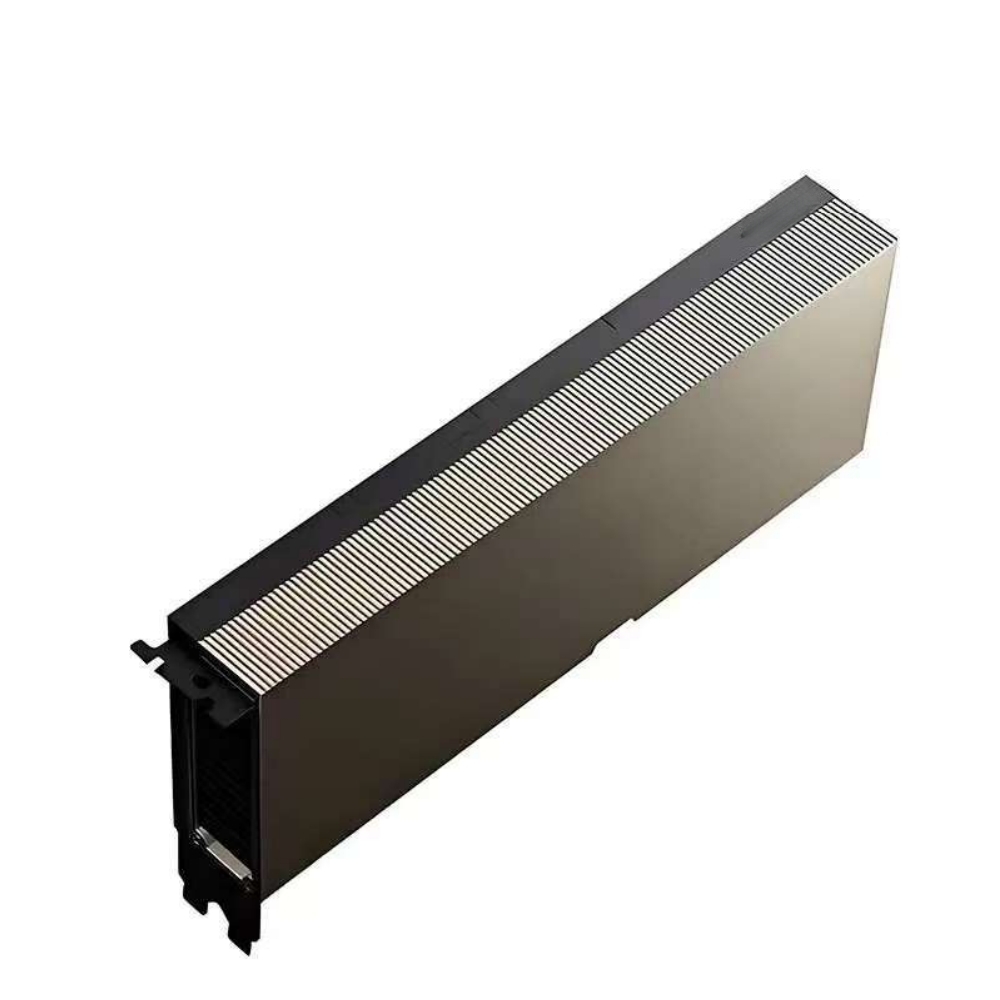
Selecting the right graphics card requires careful evaluation of your budget, performance requirements, and intended use cases. Whether you are building a gaming rig, running professional workloads, or developing machine learning applications, understanding how to balance cost and performance when choosing a graphics card is essential to making a sound investment. A graphics card represents a significant portion of system cost, and selecting the wrong model can result in either overspending on unnecessary features or experiencing bottlenecks that limit your productivity and results.

The graphics card market spans three distinct tiers, each serving different audiences and workload profiles. Entry-level graphics cards deliver essential performance for everyday tasks at the lowest price point, mid-range graphics cards offer balanced capability for demanding applications without premium pricing, and professional graphics cards are engineered for specialized workflows requiring certified drivers, advanced memory configurations, and extended reliability. Navigating these segments intelligently means understanding your actual performance floor and avoiding cost traps that either under-deliver or over-invest in unused capabilities. This guide walks you through the core decision-making framework for each graphics card tier.
Understanding Entry-Level Graphics Card Requirements
When Entry-Level Graphics Card Solutions Make Sense
Entry-level graphics card models serve users with lighter workloads who prioritize affordability over raw performance. A graphics card in this tier suits indie game developers, content creators using lighter software, students learning GPU programming, and professionals needing basic compute acceleration. The entry-level graphics card category typically ranges from $150 to $350 and includes models with 2GB to 4GB of VRAM, older architecture generations, and limited cache depth. For these use cases, an entry-level graphics card delivers sufficient performance without unnecessary feature overhead that drives cost upward unnecessarily.
Performance-to-Cost Dynamics in Entry-Level Graphics Card Selection
Cost efficiency becomes critical when evaluating an entry-level graphics card because buyers are already working within tight budgets. The price-per-teraflops metric helps quantify whether a particular graphics card offers realistic value for the performance delivered. Entry-level graphics card models typically show better cost efficiency than higher tiers because manufacturers prioritize volume sales and simplified feature sets. However, the gap between a truly budget graphics card and a slightly higher-tier model can be surprisingly narrow, sometimes only $50 to $100 difference for substantially better longevity and performance headroom. Analyzing real-world benchmarks specific to your intended workload helps ensure that your chosen entry-level graphics card avoids becoming obsolete within one year of purchase.
Evaluating Mid-Range Graphics Card Performance and Value
The Strategic Position of Mid-Range Graphics Card Investment
Mid-range graphics card models occupy the sweet spot for most professional and enthusiast buyers because they deliver strong performance across diverse workloads while maintaining reasonable pricing. A mid-range graphics card typically costs between $350 and $800 and includes 6GB to 12GB of VRAM, modern architecture features, and support for recent software standards and frameworks. The mid-range graphics card segment sees the greatest diversity because this is where performance gains translate most directly into tangible productivity improvements. Professionals running 3D rendering, video editing, machine learning training, and scientific simulation often find that a mid-range graphics card eliminates performance bottlenecks without the premium pricing associated with flagship professional solutions. The mid-range graphics card category justifies its popularity through realistic cost-to-benefit alignment.
Longevity and Software Ecosystem Support for Mid-Range Graphics Cards
A mid-range graphics card typically enjoys superior driver support and software compatibility compared to entry-level models because software vendors and development frameworks prioritize the largest installed base. Choosing a mid-range graphics card from current-generation architecture families ensures that you receive driver updates, security patches, and software optimizations for at least 5 to 7 years. Mid-range graphics card models also represent the primary target audience for emerging libraries and frameworks in machine learning, scientific computing, and professional media workflows. The long-term software ecosystem support for mid-range graphics card solutions often justifies the higher initial purchase price because depreciation spreads across a longer useful lifespan. Additionally, resale value for a mid-range graphics card typically exceeds that of entry-level models when upgrade cycles occur.
Professional Graphics Card Selection and Specialized Workloads
When Professional Graphics Card Investments Become Cost-Effective
Professional graphics card solutions cost significantly more than consumer alternatives, often ranging from $2,000 to $15,000 or higher, but this premium pricing reflects substantial engineering differences and specialized certifications. A professional graphics card includes ECC memory to prevent data corruption during computationally intensive tasks, optimized drivers for software like Autodesk, Adobe, and CAD applications, and support for advanced synchronization features required in multi-monitor production environments. Professional graphics card models are justified when your workload directly generates revenue or where data accuracy requirements demand fault-tolerant memory. Film studios, engineering firms, pharmaceutical research teams, and financial modeling departments all depend on professional graphics card reliability because the cost of data errors or rendering failures far exceeds the premium invested in certified hardware. The professional graphics card represents a capital asset rather than a consumer purchase and must be evaluated through a different financial lens than consumer-grade alternatives.
Scalability and Multi-GPU Configuration Benefits of Professional Graphics Cards
Enterprise environments often deploy multiple graphics card units in parallel computing configurations, which is where professional graphics card architecture genuinely shines. Professional graphics card units support high-speed interconnects like NVLink or specialized data center configurations that enable seamless multi-card scaling without typical consumer limitations. A professional graphics card in a multi-GPU cluster architecture delivers near-linear performance scaling, meaning four cards perform approximately 3.8 times faster than a single card, rather than the diminishing returns often seen in consumer configurations. Large-scale training workloads, molecular simulations, climate modeling, and financial analytics all benefit from this professional graphics card scalability. When your organization needs to process petabytes of data or train neural networks requiring days of compute time, investing in professional graphics card infrastructure becomes economically rational rather than luxurious.
Matching Graphics Card Choice to Your Actual Workload Requirements
Defining True Performance Requirements for Graphics Card Selection
The most common purchasing mistake occurs when buyers select a graphics card tier based on brand prestige or theoretical specifications rather than measured requirements for their specific workload. Professional graphics card selection should begin with application profiling using tools that measure GPU utilization, memory bandwidth requirements, and compute characteristics under real workload conditions. Entry-level graphics card buyers often overestimate their performance needs and could accomplish identical results with devices costing half as much. Conversely, some professionals select entry-level graphics card models to save cost only to discover that their workload requires 8GB of VRAM or compute capabilities absent in budget tiers. Benchmarking your actual applications using trial implementations or rental services helps ensure that your graphics card choice directly aligns with measurable requirements rather than marketing narratives or peer recommendations based on different use cases.
Future-Proofing Considerations When Selecting a Graphics Card
Graphics card architectures evolve rapidly, and software frameworks increasingly demand specific features that older generations lack. Selecting a graphics card that supports current and anticipated future software standards prevents premature obsolescence. Entry-level graphics card models may lack hardware features like tensor cores or specialized instruction sets that emerging machine learning frameworks increasingly require. Mid-range graphics card solutions typically balance future-proofing with reasonable cost because they include modern architectural features while avoiding premium pricing. Professional graphics card systems include extended support lifecycles and upgrade pathways designed to amortize costs across longer timeframes. When evaluating any graphics card purchase, research the development roadmap for the software platforms you depend on to ensure your chosen model includes necessary architectural support for at least three to five years forward. This forward-looking approach prevents the frustration of discovering that your graphics card cannot run updated software versions critical to your workflow.
FAQ
What performance metrics matter most when comparing graphics card options across different price points?
The most relevant performance metrics depend on your specific workload, but memory bandwidth, VRAM capacity, and floating-point compute performance provide a solid foundation. For graphics card evaluation, look beyond peak theoretical numbers and focus on real-world benchmarks using applications identical to your own workload. Price-per-performance metrics calculated from these benchmarks reveal which graphics card tier delivers the best value. Professional graphics card selections should also consider memory error correction capabilities and driver stability certifications specific to your software ecosystem rather than raw speed comparisons.
How does a graphics card's memory capacity influence cost and performance tradeoffs?
Memory capacity significantly impacts graphics card pricing, but insufficient VRAM becomes a hard performance ceiling regardless of compute power. Entry-level graphics card models with 2GB to 4GB of VRAM work fine for basic tasks but bottleneck immediately when processing large datasets or high-resolution media. Mid-range graphics card solutions typically include 8GB to 12GB of VRAM, which suits most professional workloads and emerging machine learning applications. Professional graphics card systems often include 24GB to 48GB of VRAM specifically because memory bandwidth and capacity determine performance scaling in data-intensive environments. When balancing cost against performance for a graphics card purchase, prioritize VRAM capacity that matches your largest workloads rather than graphics card compute performance that cannot be fully utilized due to memory constraints.
Can entry-level and mid-range graphics card units be effectively combined in the same system for improved performance?
Combining graphics card models of different generations or tiers within a single system is technically possible but rarely recommended for practical deployments. Most consumer operating systems and applications execute workloads on a single graphics card or distribute tasks unevenly across mixed-architecture units, resulting in the slower card becoming the performance bottleneck. Professional graphics card systems include specialized drivers and frameworks that enable efficient multi-GPU utilization, but these tools typically require matching or compatible architectures. For improved graphics card performance through multiple units, invest in matching models from the same generation to ensure balanced scaling and predictable behavior. This homogeneous approach to graphics card deployment also simplifies driver management, troubleshooting, and software optimization compared to heterogeneous graphics card configurations.
Table of Contents
- Understanding Entry-Level Graphics Card Requirements
- Evaluating Mid-Range Graphics Card Performance and Value
- Professional Graphics Card Selection and Specialized Workloads
- Matching Graphics Card Choice to Your Actual Workload Requirements
-
FAQ
- What performance metrics matter most when comparing graphics card options across different price points?
- How does a graphics card's memory capacity influence cost and performance tradeoffs?
- Can entry-level and mid-range graphics card units be effectively combined in the same system for improved performance?
