memory expansion
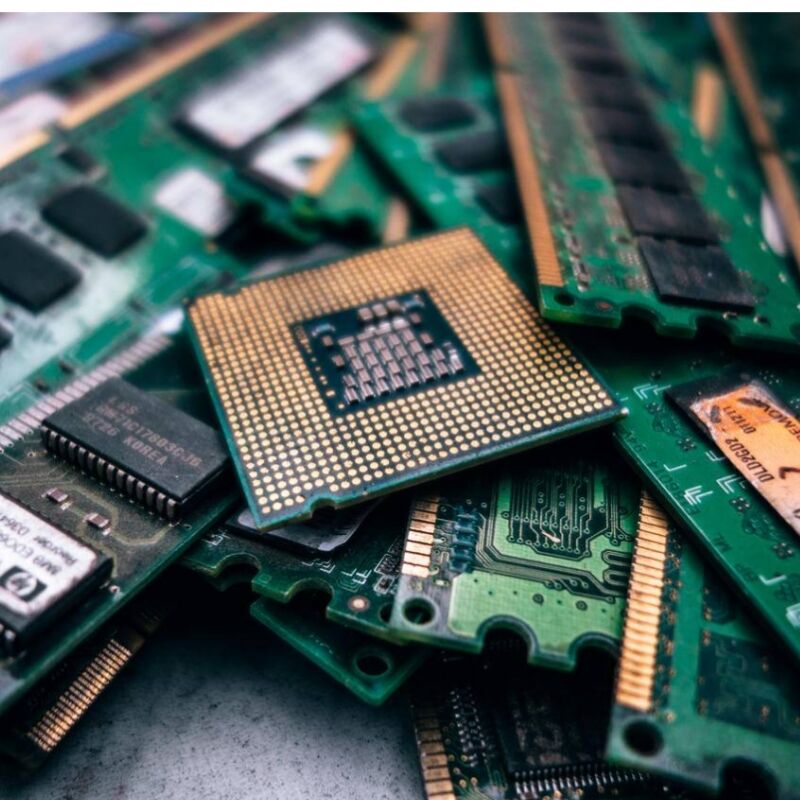
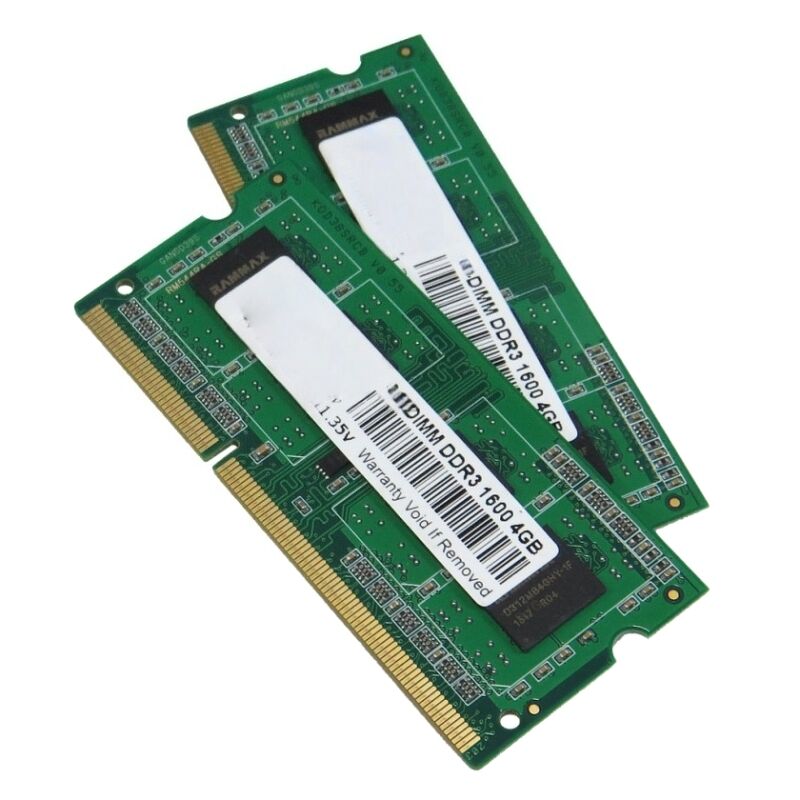
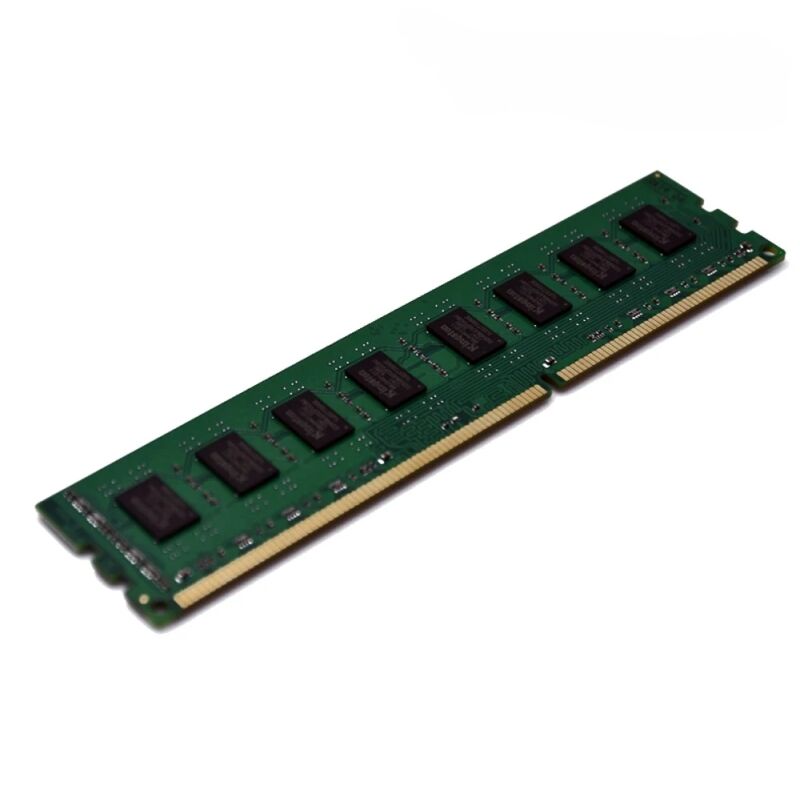
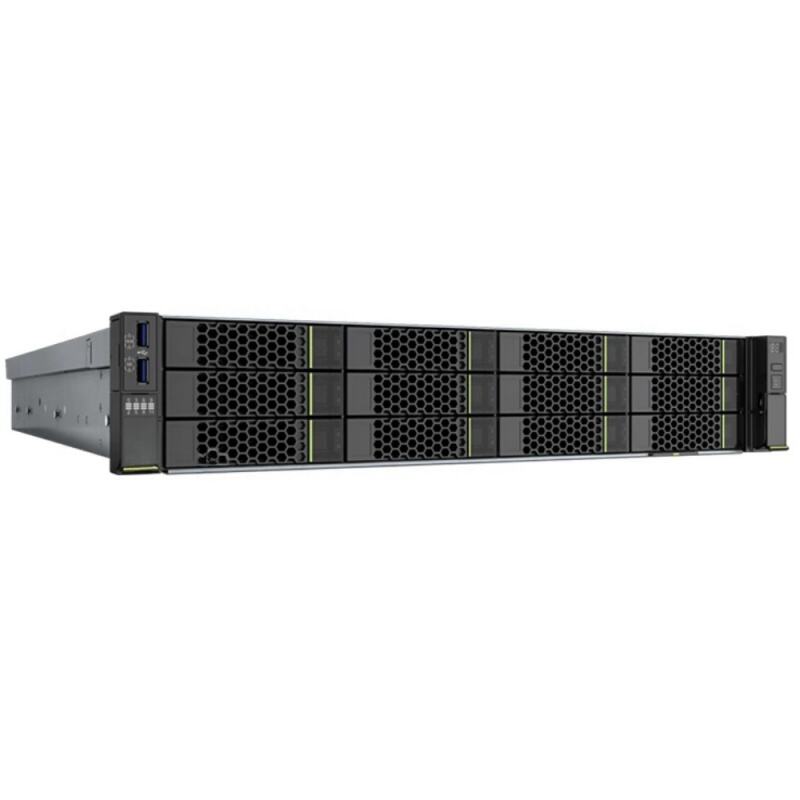
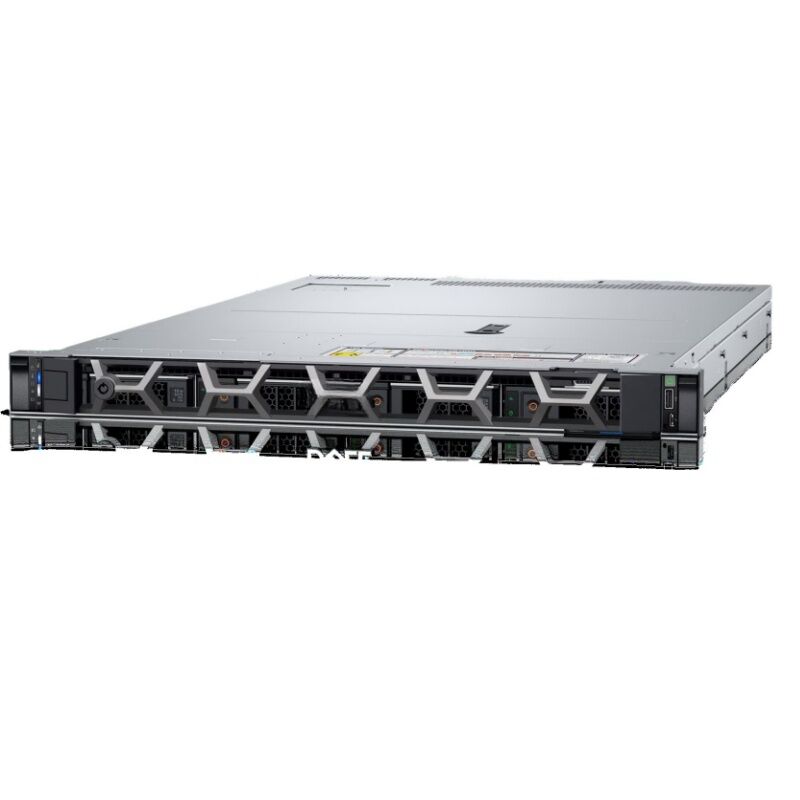
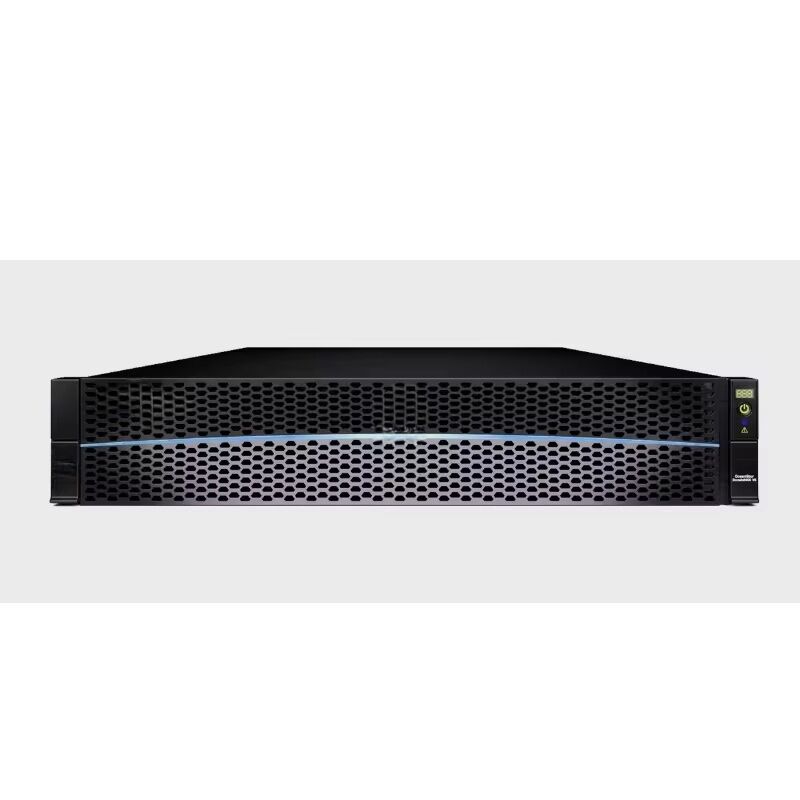
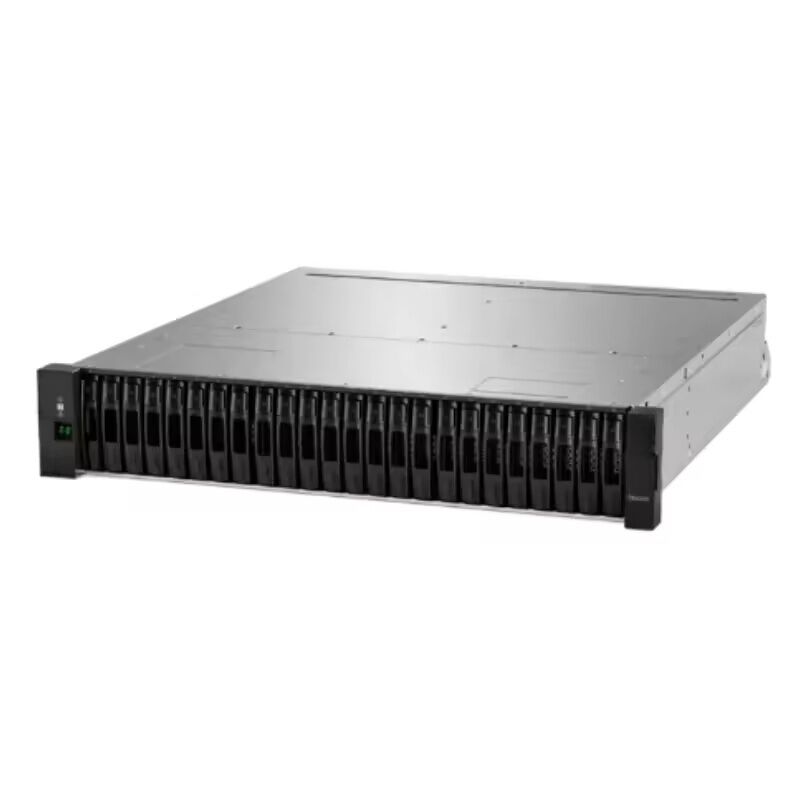
Memory expansion represents a crucial technological advancement that significantly enhances computing device performance by increasing available system memory beyond original specifications. This innovative solution allows users to upgrade their computers, laptops, servers, and mobile devices by adding additional Random Access Memory (RAM) modules or utilizing external memory enhancement technologies. The primary function of memory expansion involves providing more workspace for active applications, enabling smoother multitasking capabilities, and reducing system bottlenecks that occur when insufficient memory forces devices to rely heavily on slower storage solutions. Modern memory expansion technologies utilize advanced semiconductor designs, including DDR4, DDR5, and LPDDR standards, which deliver exceptional data transfer rates and energy efficiency. These technological features incorporate sophisticated error correction codes, thermal management systems, and optimized latency configurations that ensure reliable operation under demanding computational loads. Memory expansion applications span across diverse sectors, including gaming environments where enhanced memory supports high-resolution graphics and complex game engines, professional workstations requiring substantial memory for video editing, 3D rendering, and scientific simulations, enterprise servers managing multiple virtual machines and database operations, and consumer electronics seeking improved responsiveness for everyday computing tasks. The implementation process typically involves installing compatible memory modules into available slots or utilizing external expansion solutions that connect through high-speed interfaces. Advanced memory expansion systems incorporate intelligent memory management algorithms that dynamically allocate resources based on application requirements, ensuring optimal performance distribution across active processes. Furthermore, modern memory expansion solutions support hot-swappable configurations in enterprise environments, allowing system administrators to upgrade memory capacity without disrupting critical operations. The technology continues evolving with emerging standards like DDR6 and innovative approaches such as persistent memory technologies that bridge the performance gap between traditional RAM and storage devices, creating new possibilities for memory expansion implementations.


 EN
EN

![[Urgent Announcement]](https://shopcdnpro.grainajz.com/category/369067/2823/24f53eb2cfe445a5ce2ceed47adc2ef9/a0748799-b14b-4645-bac8-0af04099f8c0.jpg)