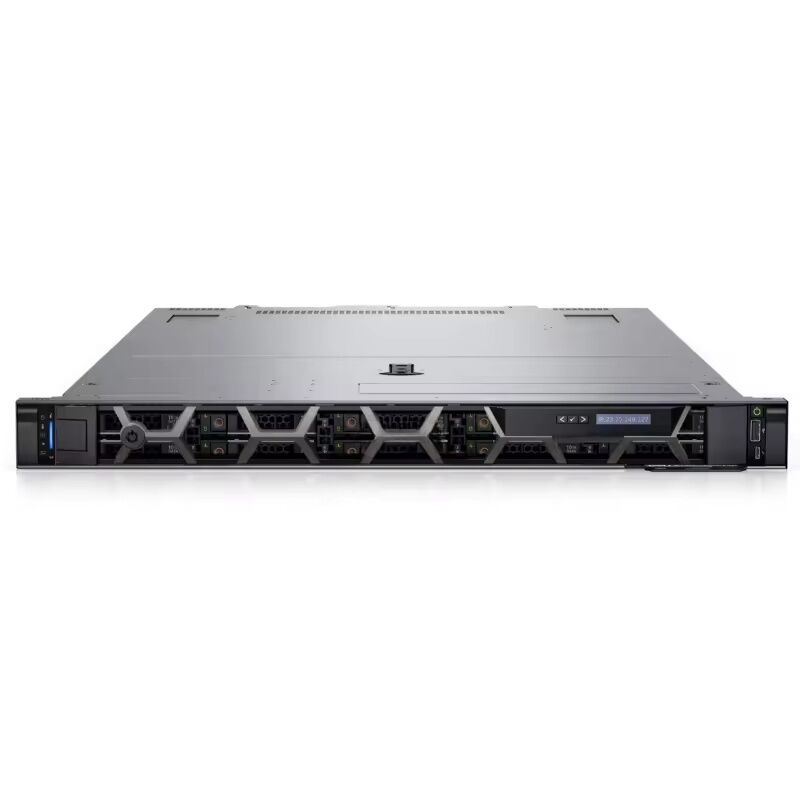
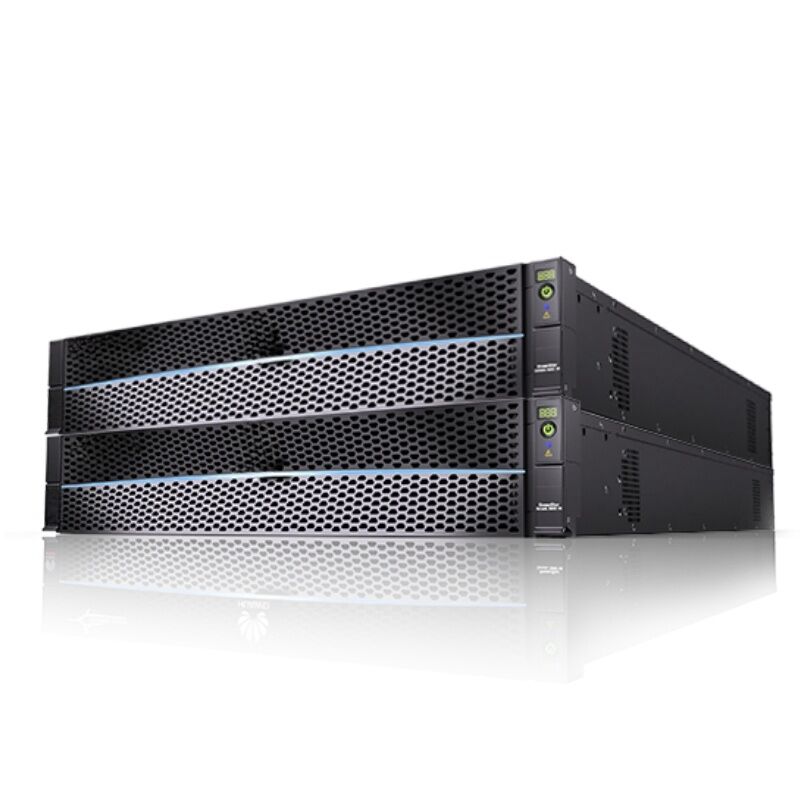
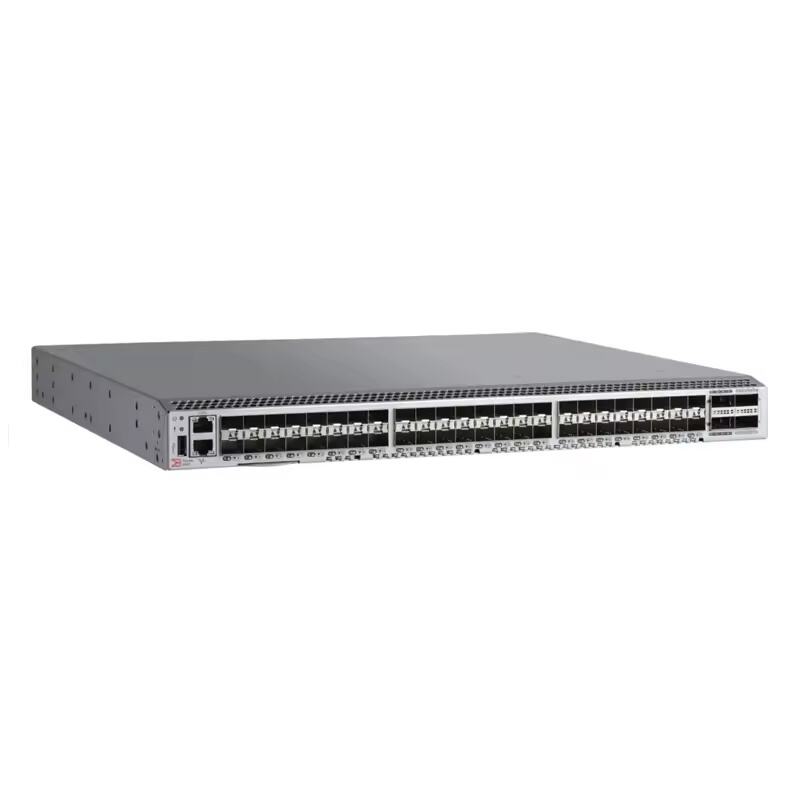
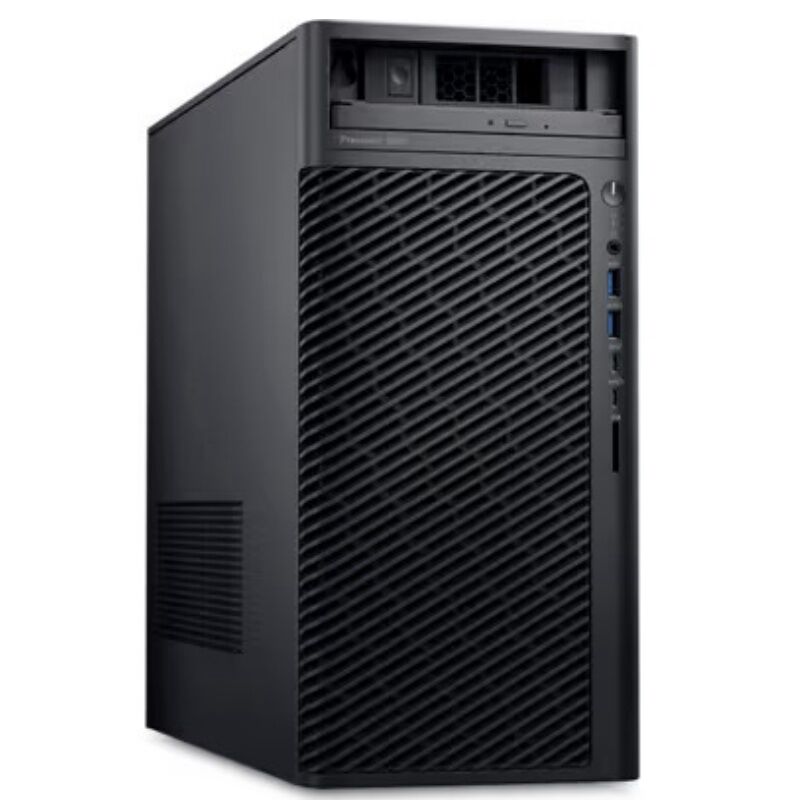
business server
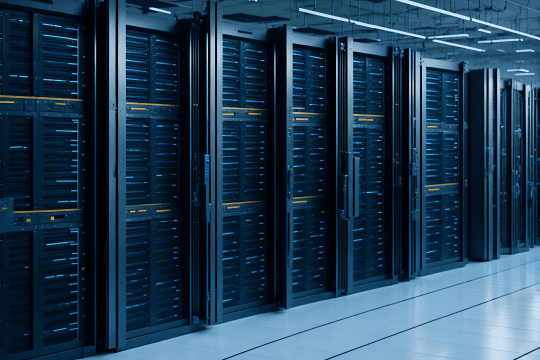
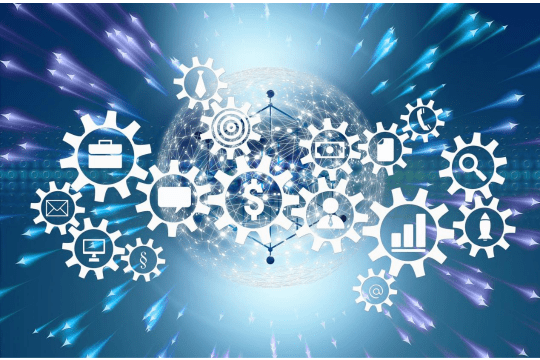
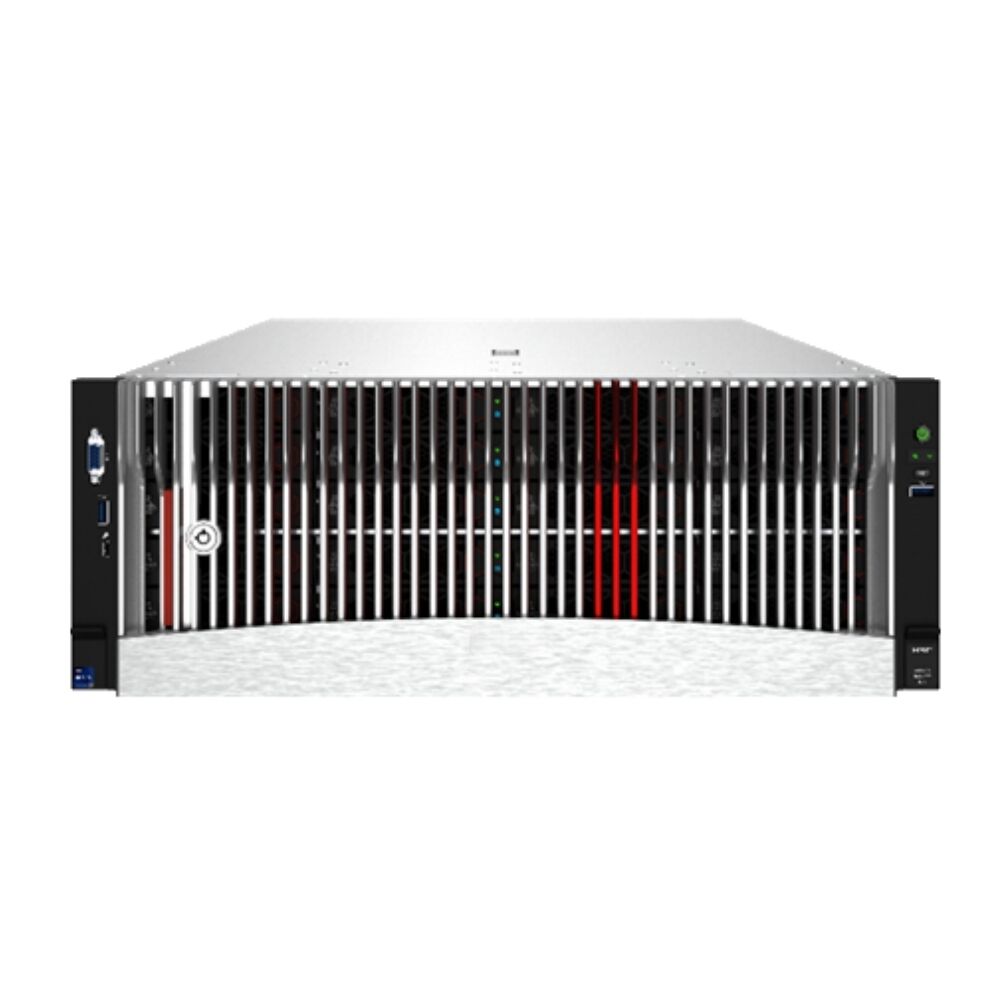
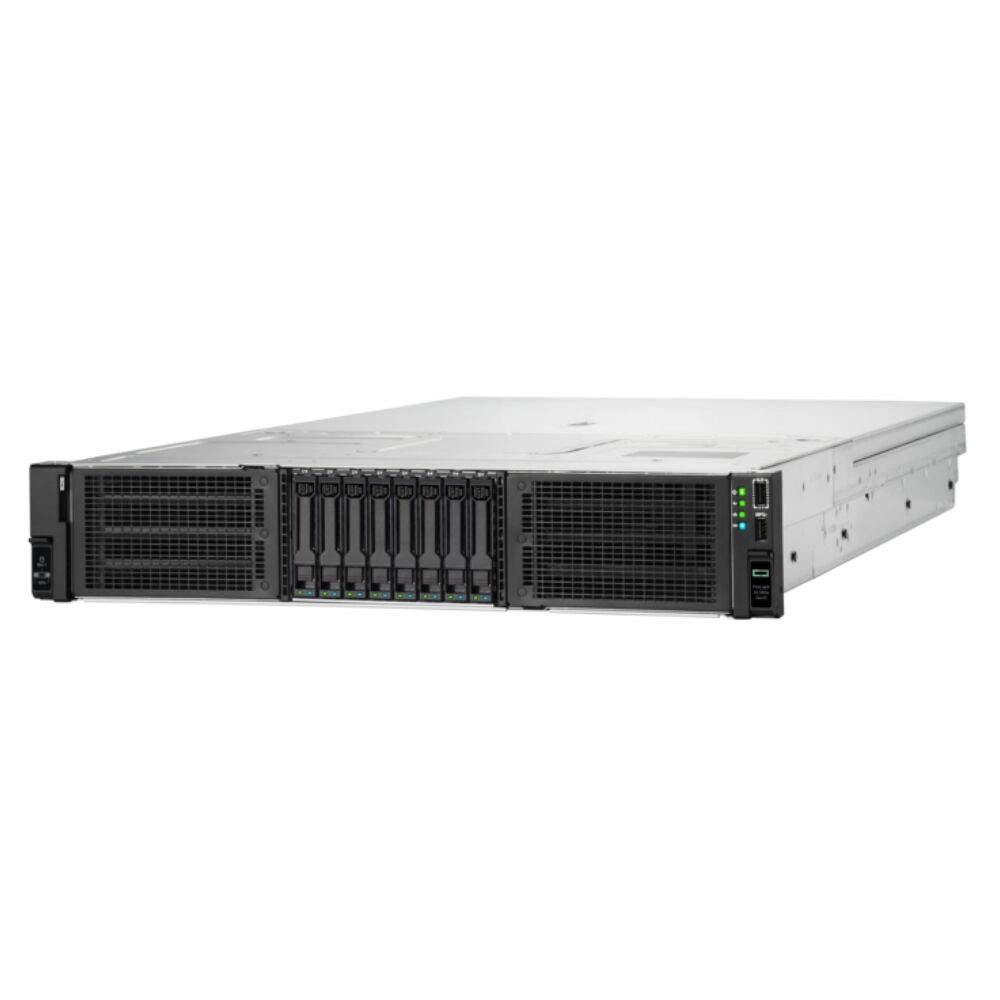
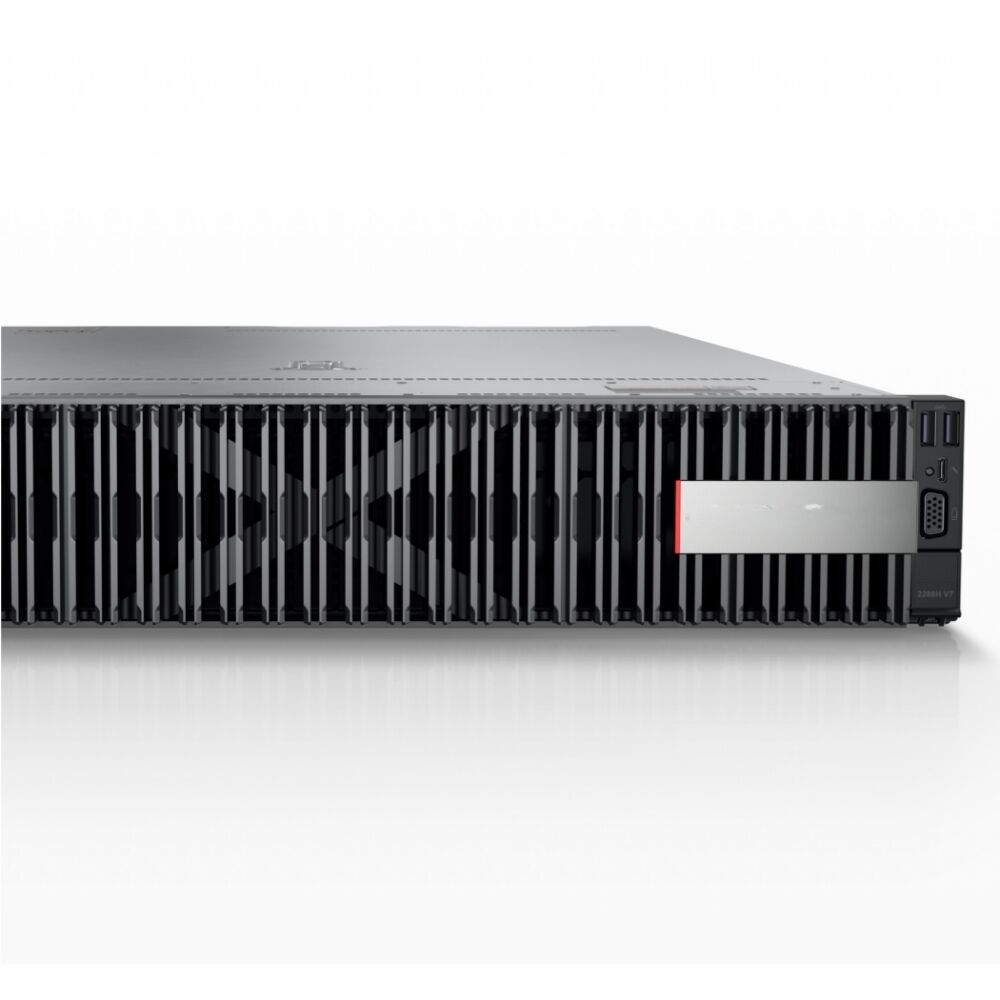
A business server represents a powerful computing system designed specifically to meet the demanding requirements of modern enterprises and organizations. Unlike standard desktop computers, a business server functions as a centralized hub that manages, stores, and distributes data across entire networks while supporting multiple users simultaneously. These robust systems are engineered with enterprise-grade components that ensure reliability, performance, and scalability for mission-critical operations. The primary functions of a business server include data storage and management, application hosting, network administration, security enforcement, and resource sharing among connected devices. At its core, a business server operates using advanced processors, substantial memory configurations, and high-capacity storage arrays that work together to handle intensive workloads efficiently. The technological features of these systems encompass redundant power supplies, hot-swappable components, error-correcting memory, and advanced cooling mechanisms that maintain optimal performance under continuous operation. Modern business server architectures support virtualization technologies, enabling organizations to run multiple virtual machines on a single physical platform, thereby maximizing hardware utilization and reducing operational costs. Cloud integration capabilities allow seamless connectivity with hybrid infrastructure models, while built-in management tools provide comprehensive monitoring and control over system performance. Applications for business server technology span across various industries and use cases, including database management for e-commerce platforms, email server hosting for corporate communications, web server functions for online presence, and backup solutions for data protection. Manufacturing companies utilize business server systems to manage inventory tracking and production scheduling, while healthcare organizations rely on these platforms to secure patient records and facilitate electronic health information exchange. Financial institutions depend on business server reliability for transaction processing and regulatory compliance, whereas educational institutions leverage these systems for student information management and online learning platforms.

![[Urgent Announcement]](https://shopcdnpro.grainajz.com/category/369067/2823/24f53eb2cfe445a5ce2ceed47adc2ef9/a0748799-b14b-4645-bac8-0af04099f8c0.jpg)


 EN
EN