enterprise server
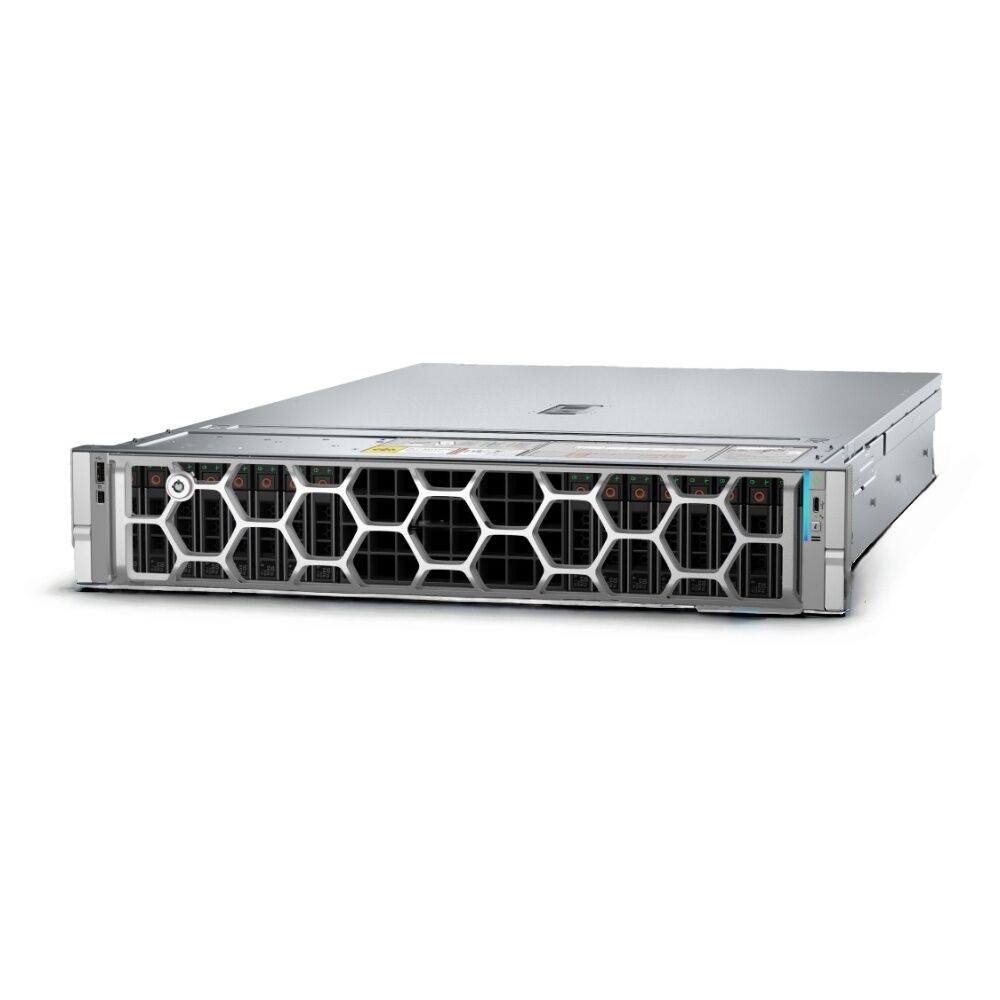
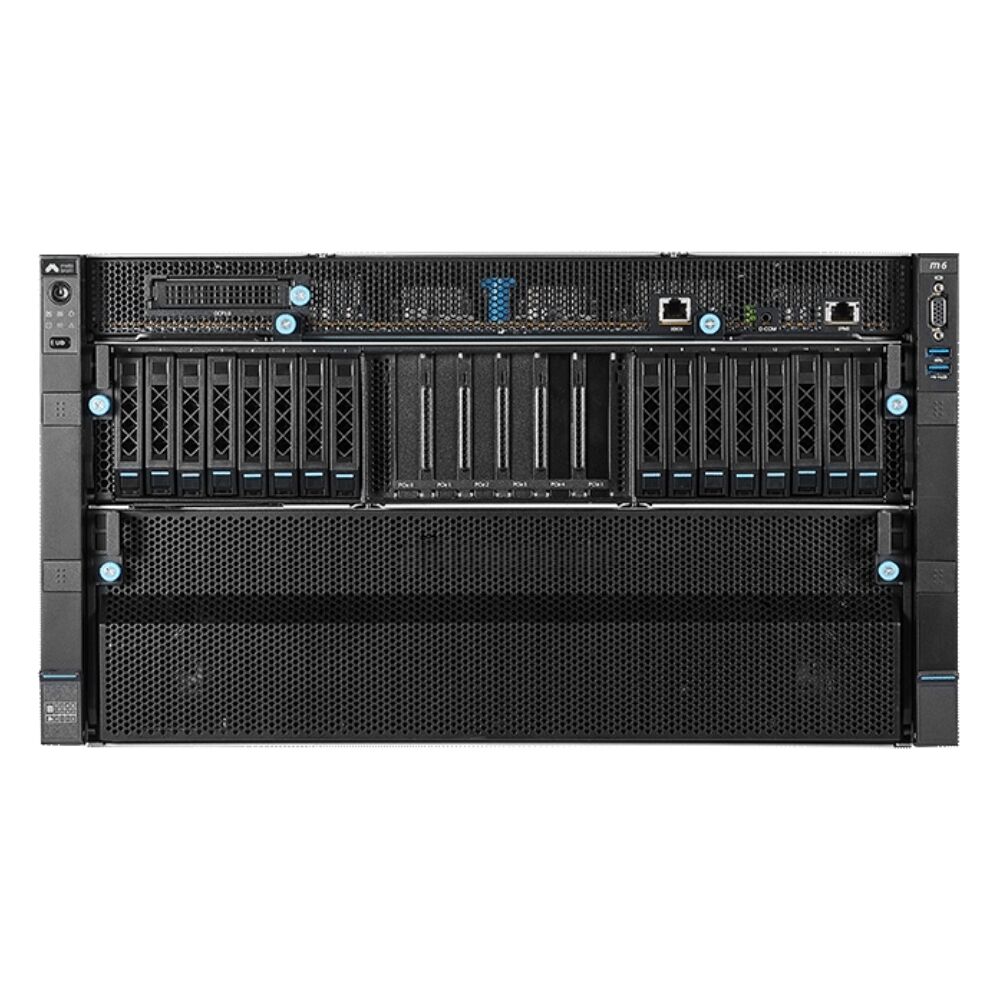
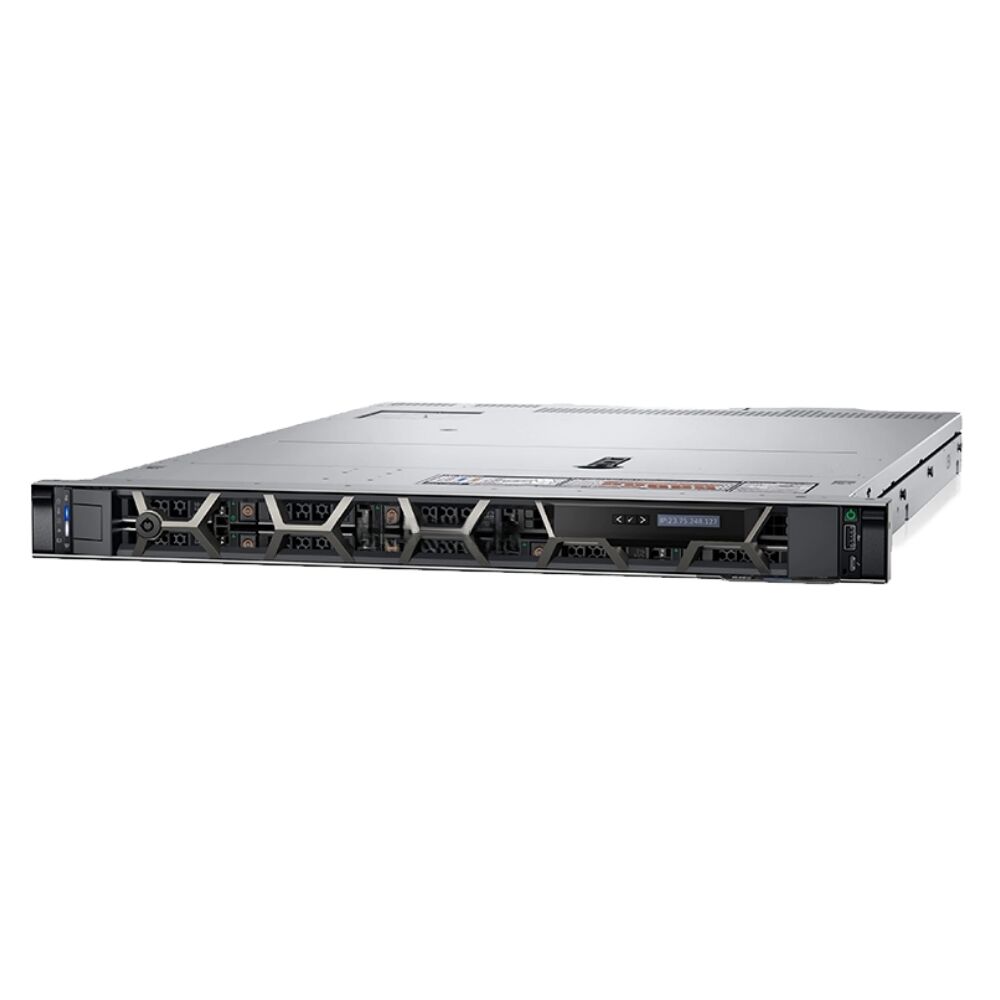
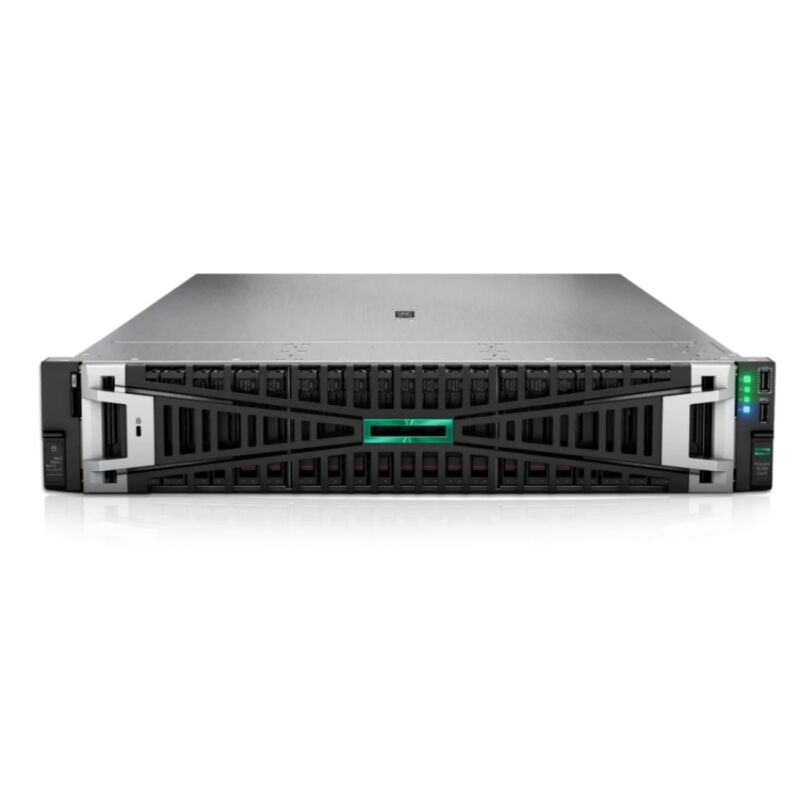
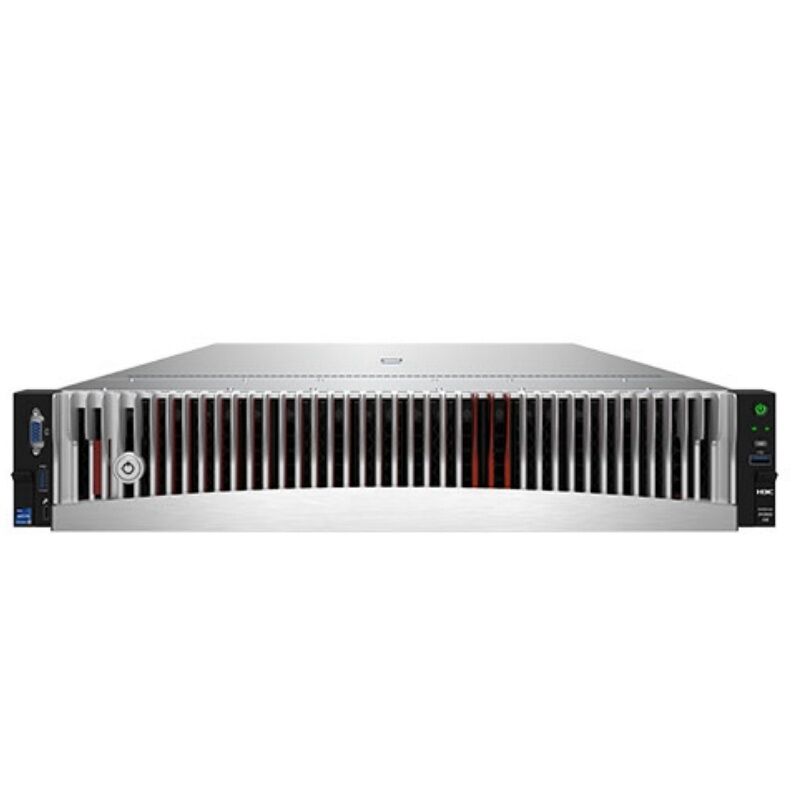
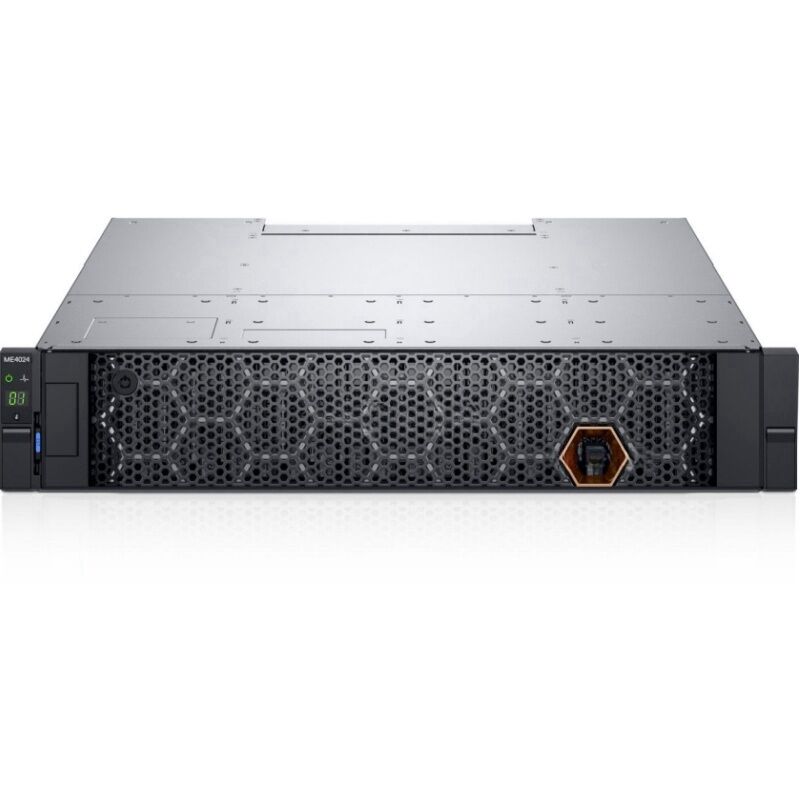
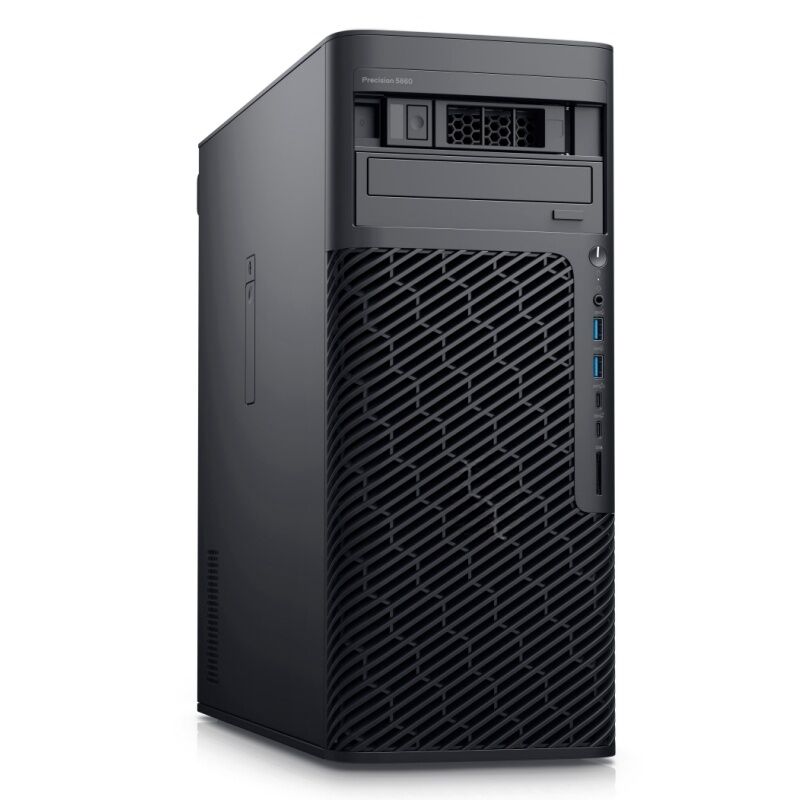
An enterprise server represents a powerful computing system specifically designed to meet the demanding requirements of large-scale business operations. These robust machines serve as the backbone of modern corporate infrastructure, providing centralized processing power, storage capabilities, and network management functions that support hundreds or thousands of concurrent users. Unlike standard desktop computers or basic servers, an enterprise server incorporates advanced hardware components, redundant systems, and sophisticated management tools that ensure maximum uptime and performance reliability. The primary functions of an enterprise server encompass data processing, application hosting, database management, file sharing, email services, and web hosting capabilities. These systems excel at handling multiple simultaneous tasks while maintaining consistent performance levels, making them indispensable for organizations that rely on continuous digital operations. Technological features of enterprise servers include multi-core processors with high clock speeds, substantial RAM capacity often measured in hundreds of gigabytes, multiple hard drive configurations with RAID support, redundant power supplies, and advanced cooling systems. Many enterprise servers also incorporate virtualization technologies that allow multiple operating systems and applications to run simultaneously on a single physical machine, maximizing resource utilization and reducing operational costs. Hot-swappable components enable maintenance and upgrades without system downtime, while remote management capabilities allow IT administrators to monitor and control server operations from anywhere. Applications for enterprise servers span across various industries and use cases, including customer relationship management systems, enterprise resource planning software, database hosting, cloud computing services, virtualization platforms, backup and disaster recovery solutions, and high-performance computing tasks. Financial institutions utilize enterprise servers for transaction processing and risk analysis, healthcare organizations depend on them for patient record management and medical imaging, while manufacturing companies rely on these systems for supply chain management and production control. The scalability of enterprise server solutions allows organizations to start with basic configurations and expand capacity as business needs grow, ensuring long-term investment protection and operational flexibility.


 EN
EN


![[Urgent Announcement]](https://shopcdnpro.grainajz.com/category/369067/2823/24f53eb2cfe445a5ce2ceed47adc2ef9/a0748799-b14b-4645-bac8-0af04099f8c0.jpg)