Professional Workstation Graphics Cards - High-Performance Solutions for Enterprise Applications

Contact me immediately if you encounter problems!

All Categories

workstation graphics card

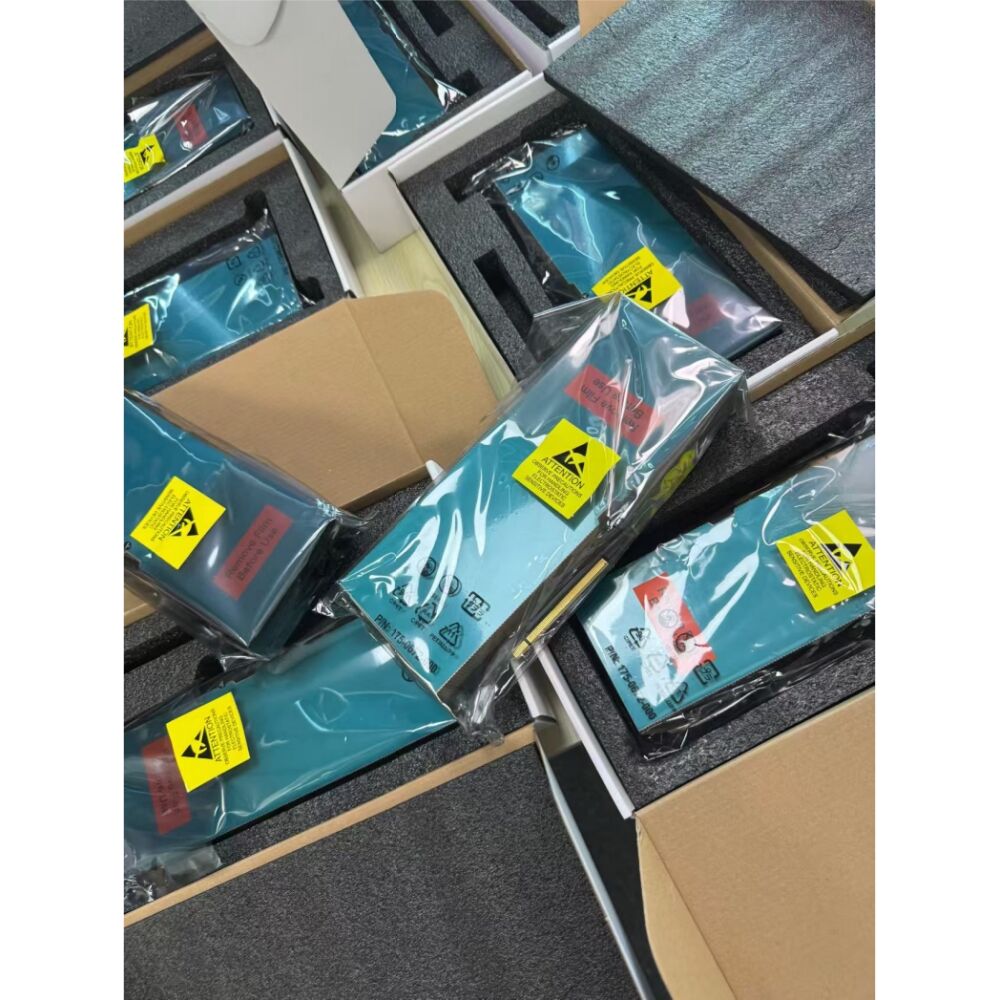
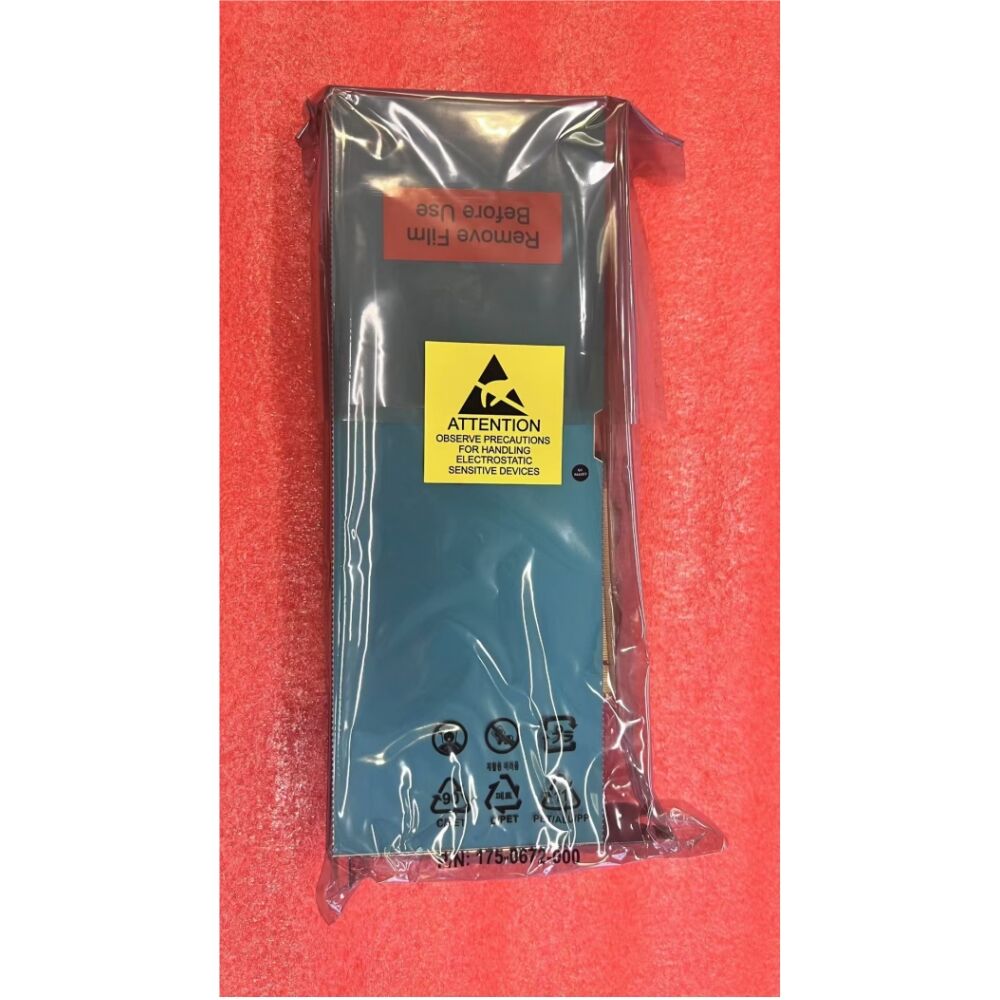
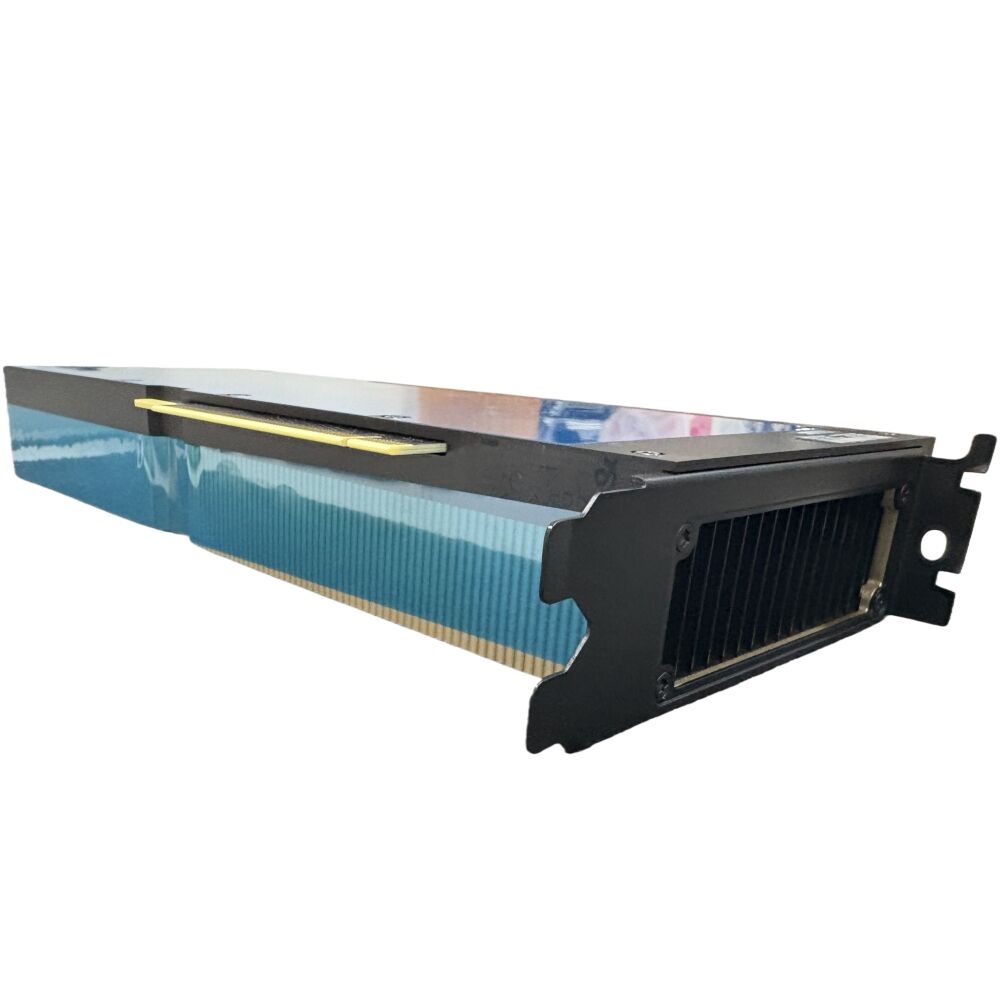
A workstation graphics card represents a specialized computing component engineered specifically for professional applications that demand exceptional visual processing power and reliability. Unlike consumer gaming graphics cards, workstation graphics cards prioritize accuracy, stability, and certified compatibility with professional software applications. These professional-grade components serve as the backbone for industries requiring precise visual rendering, complex computational tasks, and mission-critical operations where downtime is not acceptable. The primary functions of a workstation graphics card encompass accelerating 3D modeling, rendering high-resolution animations, processing scientific simulations, and managing multiple high-resolution displays simultaneously. These cards excel in handling massive datasets, complex geometric calculations, and real-time visualization tasks that would overwhelm standard graphics solutions. Technological features distinguish workstation graphics cards through advanced memory configurations, often incorporating error-correcting code memory that prevents data corruption during intensive operations. Professional drivers undergo rigorous testing and certification processes with leading software vendors, ensuring optimal performance and stability across industry-standard applications. Hardware-level features include enhanced cooling systems designed for continuous operation, robust power delivery systems, and premium components selected for longevity under demanding workloads. Applications for workstation graphics cards span numerous professional sectors including computer-aided design, architectural visualization, medical imaging, scientific research, financial modeling, and content creation. Engineers rely on these cards for complex simulations, architects utilize them for photorealistic building visualizations, and medical professionals depend on them for accurate diagnostic imaging. The manufacturing sector employs workstation graphics cards for product design, prototyping, and quality control processes. Broadcasting and film production industries leverage these cards for video editing, color grading, and special effects creation, where precision and reliability directly impact final output quality and project deadlines.


New Product Recommendations

Workstation graphics cards deliver substantial performance improvements over consumer alternatives in professional environments, providing users with tangible benefits that directly impact productivity and workflow efficiency. These specialized components offer superior computational power specifically optimized for professional applications, enabling faster rendering times that can reduce project completion schedules by significant margins. Users experience dramatically improved responsiveness when working with complex models, large assemblies, or high-resolution imagery, allowing for more iterative design processes and enhanced creativity. The reliability factor represents a crucial advantage, as workstation graphics cards undergo extensive quality testing and feature enterprise-grade components designed for continuous operation under heavy loads. This enhanced durability translates to reduced system downtime, lower maintenance costs, and increased confidence in meeting critical project deadlines. Professional software certification ensures seamless compatibility with industry-standard applications, eliminating compatibility issues that can plague consumer graphics solutions. Users benefit from optimized driver support specifically tailored for professional workflows, receiving regular updates that enhance performance and introduce new features aligned with evolving software capabilities. Multi-display support capabilities enable professionals to create expansive desktop environments, improving multitasking efficiency and allowing simultaneous access to multiple applications, reference materials, and communication tools. The precision and accuracy delivered by workstation graphics cards prove essential for applications where visual fidelity directly impacts decision-making processes. Medical professionals rely on accurate color reproduction for diagnostic imaging, while engineers depend on precise geometric representation for design validation. Memory capacity advantages allow users to work with larger datasets without performance degradation, enabling more complex projects and reducing the need for time-consuming workarounds. Professional support services accompanying workstation graphics cards provide users with dedicated technical assistance, ensuring rapid resolution of any issues that may arise. This comprehensive support structure includes access to specialized knowledge bases, priority customer service channels, and compatibility testing resources that help maintain optimal system performance throughout the product lifecycle.

Practical Tips

Shanghai Qingguang Electronics Celebrates 8th Anniversary with Robust Global Growth

06

Mar

Shanghai Qingguang Electronics Celebrates 8th Anniversary with Robust Global Growth

View More
Qingguang Electronics Strengthens Global Partnerships Across 30+ Countries

06

Mar

Qingguang Electronics Strengthens Global Partnerships Across 30+ Countries

View More
Qingguang Electronics Launches New IT Solutions to Empower Digital Transformation

06

Mar

Qingguang Electronics Launches New IT Solutions to Empower Digital Transformation

View More
[Urgent Announcement]

25

Jul

[Urgent Announcement]

View More

Get a Free Quote

Our representative will contact you soon.
Email
WhatsApp/Mobile
Name
Company Name
Message
0/1000

workstation graphics card

Certified Professional Driver Optimization

Certified Professional Driver Optimization

The certified professional driver optimization represents one of the most significant differentiators of workstation graphics cards, providing users with a level of software compatibility and performance refinement unavailable in consumer graphics solutions. Professional drivers undergo extensive testing and validation processes with leading software vendors, ensuring optimal performance across industry-standard applications used in engineering, design, scientific research, and content creation workflows. This certification process involves comprehensive compatibility testing with specific software versions, identifying and resolving potential conflicts before drivers reach end users. The optimization extends beyond basic compatibility to include performance tuning specifically tailored for professional workloads, with enhanced algorithms that accelerate common operations found in CAD applications, rendering engines, and simulation software. Users benefit from driver releases that coincide with major software updates, ensuring immediate compatibility with new application versions and features. The professional driver ecosystem includes specialized features such as application-specific optimizations, custom rendering paths, and enhanced memory management algorithms designed to maximize performance in professional environments. Quality assurance processes for professional drivers involve rigorous testing across diverse hardware configurations, operating system versions, and software combinations, resulting in exceptional stability and predictable performance characteristics. This thorough validation reduces the likelihood of system crashes, application errors, or unexpected behavior during critical work sessions. Professional drivers also incorporate advanced debugging and diagnostic capabilities that assist IT departments in troubleshooting potential issues, maintaining system stability across enterprise deployments. The commitment to long-term driver support ensures that professional users receive continued optimization and bug fixes throughout the product lifecycle, protecting their investment in both hardware and software. Regular driver updates introduce performance improvements based on user feedback and evolving software requirements, ensuring that workstation graphics cards continue delivering optimal performance as professional applications advance. This comprehensive driver support ecosystem creates a reliable foundation for professional workflows, enabling users to focus on their creative and technical work rather than managing compatibility issues or performance bottlenecks.
Enterprise-Grade Reliability and Durability

Enterprise-Grade Reliability and Durability

Enterprise-grade reliability and durability form the cornerstone of workstation graphics card design, addressing the demanding requirements of professional environments where system failures can result in significant productivity losses and missed deadlines. These specialized components incorporate premium-grade capacitors, resistors, and integrated circuits selected specifically for their ability to maintain consistent performance under continuous heavy loads typical of professional workstations. Manufacturing processes employ stringent quality control measures, including extended burn-in testing periods that identify potential component failures before products reach end users. The cooling systems integrated into workstation graphics cards utilize advanced thermal management technologies, including multi-fan configurations, optimized heatsink designs, and thermal interface materials engineered for long-term stability. These cooling solutions maintain optimal operating temperatures even during sustained high-utilization periods, preventing thermal throttling that could impact performance during critical work sessions. Power delivery systems incorporate robust voltage regulation modules designed to provide clean, stable power to all card components, reducing the risk of performance instability or component degradation over time. The physical construction of workstation graphics cards emphasizes durability through reinforced mounting brackets, premium connector designs, and protective measures against electromagnetic interference that could affect sensitive operations. Quality assurance testing includes accelerated aging processes that simulate years of typical usage patterns, ensuring that components maintain their specifications throughout extended operational lifespans. Environmental testing validates performance across wide temperature ranges, humidity levels, and vibration conditions typically encountered in professional installations. The reliability benefits extend to reduced total cost of ownership, as the enhanced durability minimizes the need for premature replacements and reduces maintenance requirements. Professional environments benefit from predictable performance characteristics that remain consistent over time, enabling accurate project planning and resource allocation. The enterprise-grade approach to reliability includes comprehensive warranty coverage and support services designed to minimize downtime in the event of any issues. This commitment to durability ensures that professional users can depend on their workstation graphics cards to deliver consistent performance throughout demanding project lifecycles, making them an essential investment for mission-critical applications where reliability directly impacts business outcomes.
Advanced Memory Architecture and Capacity

Advanced Memory Architecture and Capacity

Advanced memory architecture and capacity represent fundamental advantages that enable workstation graphics cards to handle the massive datasets and complex computational requirements characteristic of professional applications. These specialized graphics processors incorporate high-bandwidth memory technologies that deliver exceptional data transfer rates, enabling rapid access to large textures, complex models, and extensive datasets required for professional workflows. The memory subsystems utilize error-correcting code technology that automatically detects and corrects single-bit memory errors, ensuring data integrity during critical operations where accuracy is paramount. This protection against memory corruption proves essential in applications such as scientific simulations, financial modeling, and medical imaging, where data accuracy directly impacts decision-making processes and regulatory compliance requirements. Generous memory capacity allocations allow professionals to work with increasingly complex projects without encountering memory limitations that force workflow compromises or require time-consuming workarounds. Large memory buffers enable smooth operation when working with high-resolution textures, complex assemblies containing thousands of components, or massive point clouds generated by 3D scanning technologies. The advanced memory architecture incorporates intelligent caching algorithms that optimize data placement and access patterns based on professional application requirements, reducing latency and improving overall system responsiveness. Memory bandwidth optimizations ensure that data-intensive operations such as real-time ray tracing, volumetric rendering, and particle simulations execute efficiently without performance bottlenecks. Professional applications benefit from the ability to maintain multiple large datasets in memory simultaneously, enabling rapid switching between different views, configurations, or analysis modes without lengthy loading delays. The memory architecture supports advanced features such as unified memory addressing, allowing CPU and GPU components to share memory resources efficiently for hybrid computational workloads. This capability proves particularly valuable in applications that combine traditional processing with graphics acceleration, such as computational fluid dynamics or finite element analysis. Memory capacity advantages extend to multi-application workflows where professionals simultaneously run design software, analysis tools, and communication applications, with sufficient memory resources to maintain optimal performance across all active applications. The investment in advanced memory technology pays dividends through improved productivity, reduced project completion times, and the ability to tackle increasingly complex projects that would be impractical with consumer-grade graphics solutions.

Get a Free Quote

Our representative will contact you soon.
Email
WhatsApp/Mobile
Name
Company Name
Message
0/1000