High-Performance Rack Workstation Solutions - Enterprise Computing Power

Contact me immediately if you encounter problems!

All Categories

rack workstation

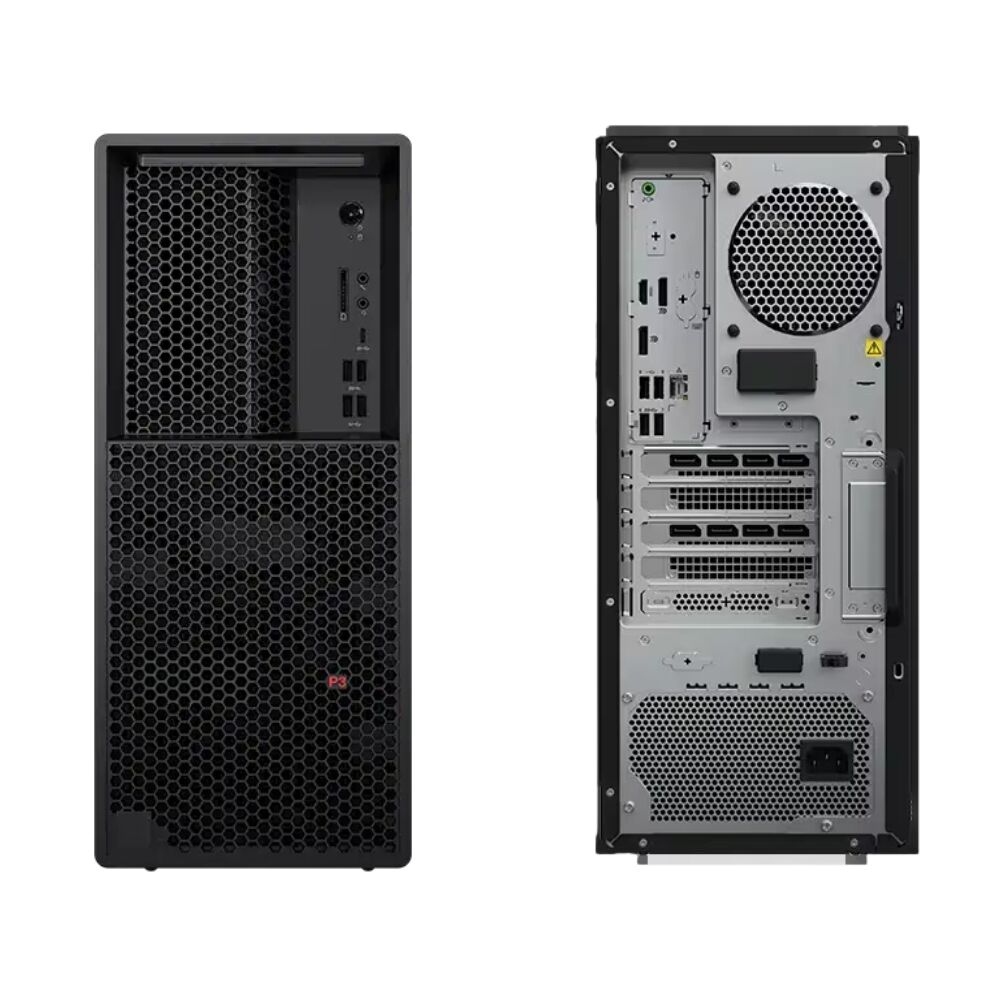
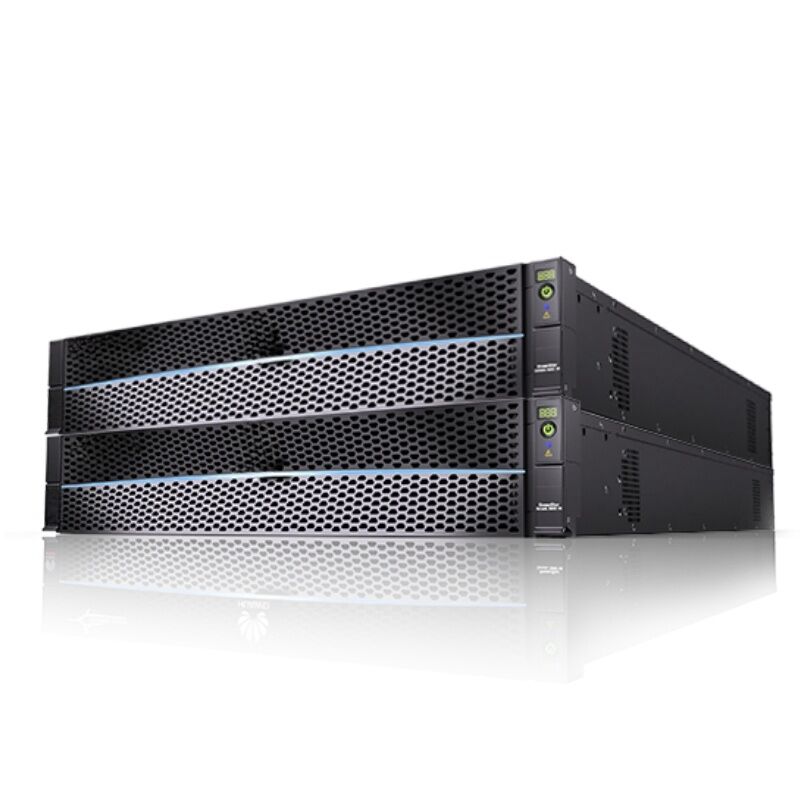
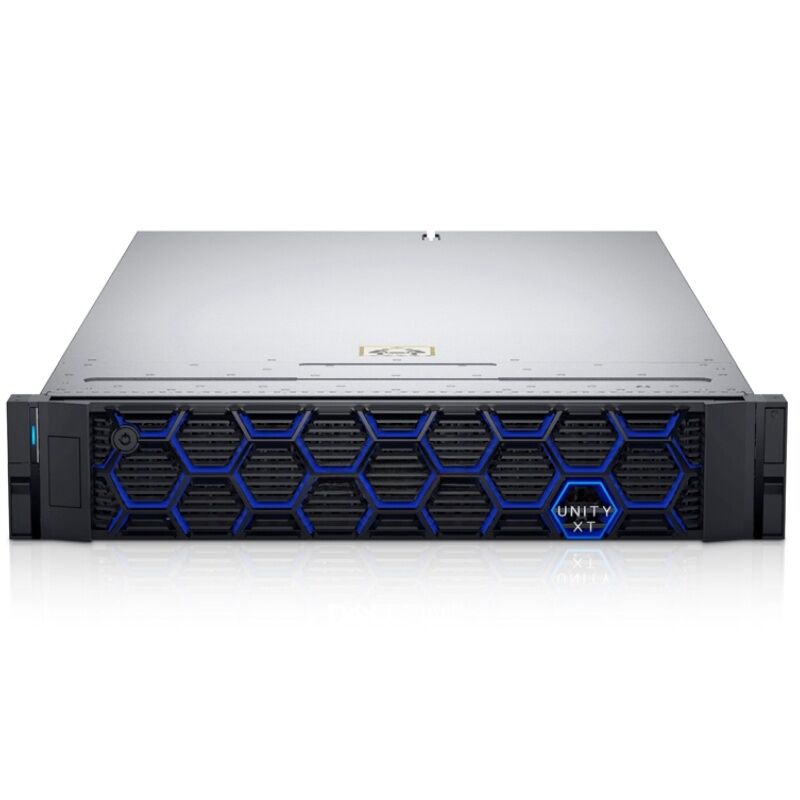
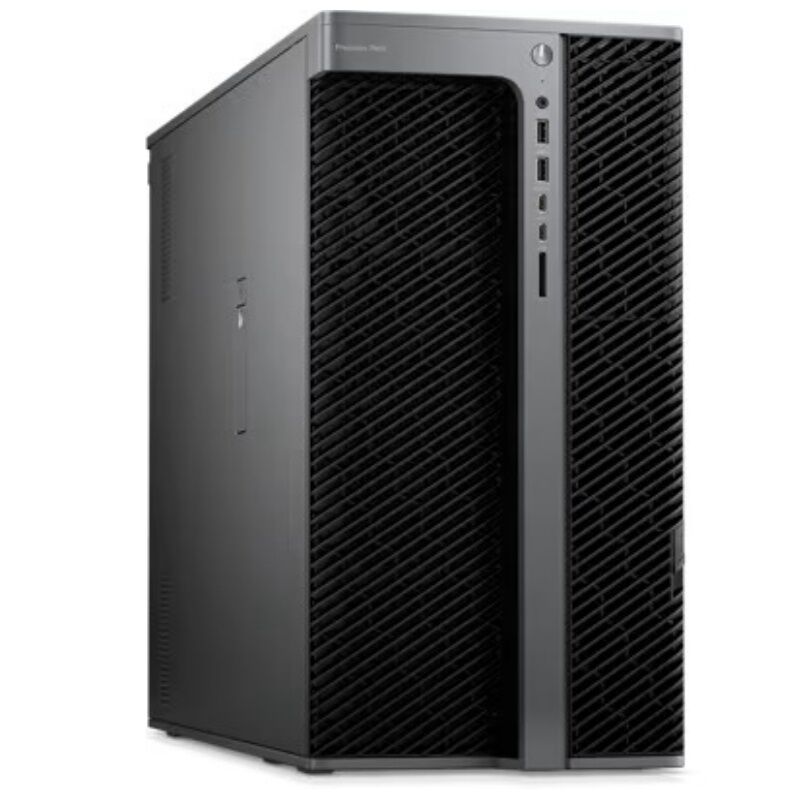
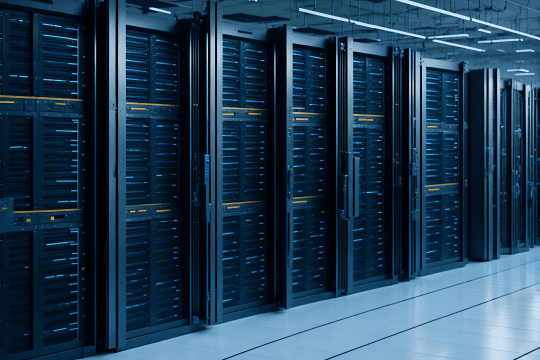
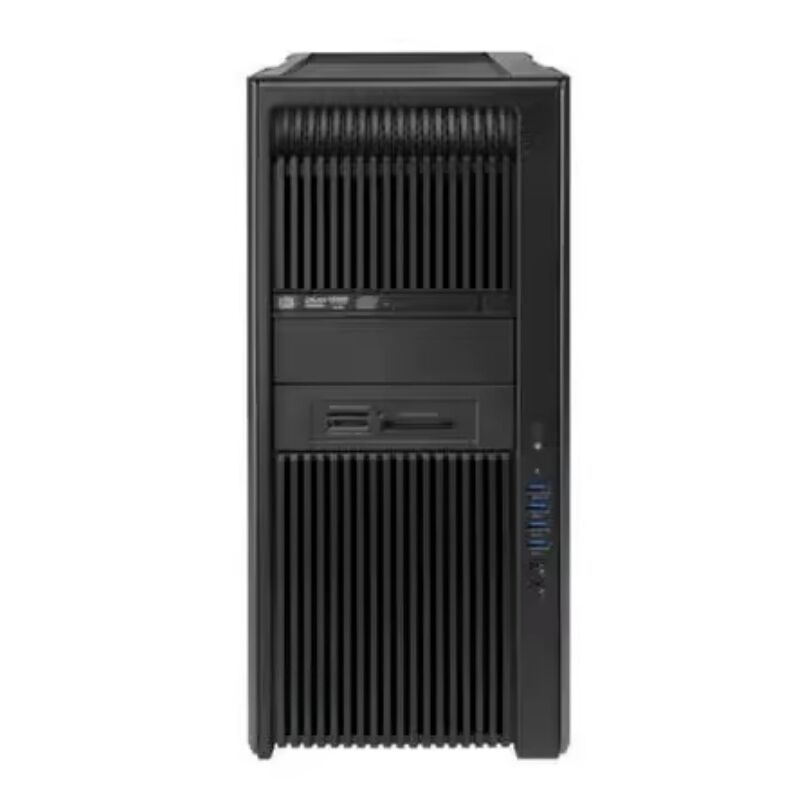
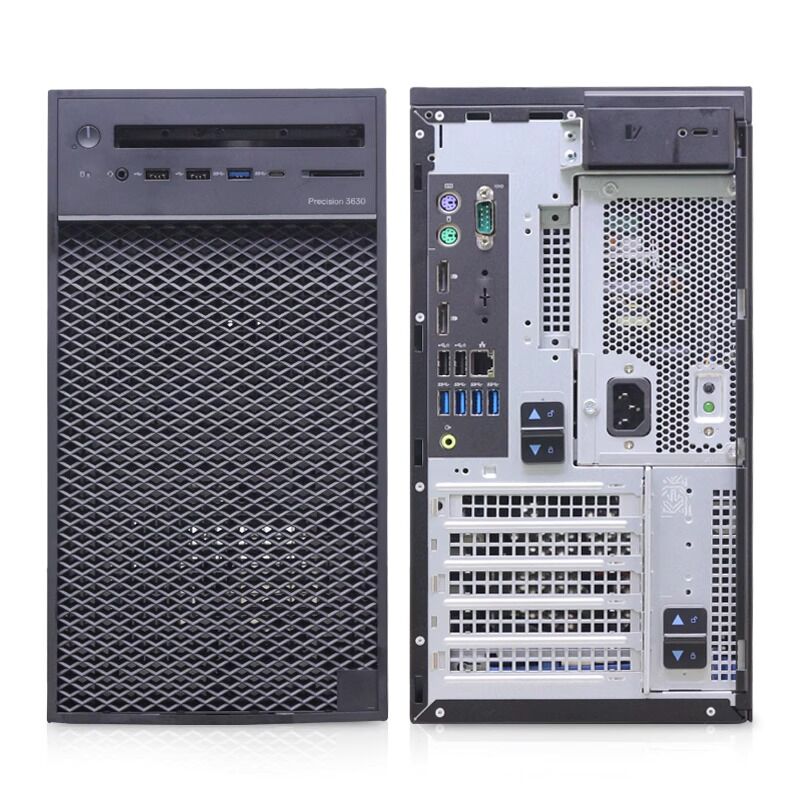
A rack workstation represents a specialized computing solution designed to maximize processing power while minimizing space requirements in professional environments. This sophisticated system integrates high-performance components into a standardized rack-mountable chassis, typically measuring 1U to 4U in height, making it ideal for data centers, server rooms, and enterprise installations. The rack workstation combines the computational capabilities of a traditional desktop workstation with the space efficiency and scalability of server infrastructure. These systems feature enterprise-grade processors, often supporting dual-socket configurations with Intel Xeon or AMD EPYC processors, delivering exceptional multi-threaded performance for demanding applications. Memory capacity typically ranges from 64GB to several terabytes of ECC RAM, ensuring data integrity and system reliability during intensive operations. Storage options include high-speed NVMe SSDs, traditional SATA drives, and SAS configurations, providing flexible capacity and performance optimization. Professional graphics capabilities are enhanced through dedicated GPU slots supporting NVIDIA Quadro, RTX, or AMD FirePro cards, enabling complex visualization, rendering, and AI workloads. The rack workstation incorporates advanced cooling solutions with redundant fans and optimized airflow management to maintain optimal operating temperatures in dense deployment scenarios. Network connectivity features multiple Gigabit Ethernet ports, with options for 10GbE or higher bandwidth connections to support collaborative workflows and large data transfers. Remote management capabilities through integrated BMC (Baseboard Management Controller) allow administrators to monitor system health, power states, and perform maintenance tasks without physical access. These workstations excel in applications requiring substantial computational resources, including scientific research, financial modeling, media production, engineering simulations, and artificial intelligence development, making them indispensable tools for organizations demanding reliable, scalable computing power.
New Product Releases

The rack workstation offers numerous compelling advantages that make it an exceptional choice for businesses seeking powerful, efficient computing solutions. Space optimization stands as one of the most significant benefits, as these systems occupy minimal floor space while delivering maximum computational power. Unlike traditional tower workstations that consume valuable office real estate, a rack workstation fits seamlessly into standard 19-inch server racks, allowing organizations to deploy multiple high-performance systems in a compact footprint. This space efficiency translates directly into cost savings on real estate and facility management. Scalability represents another major advantage, enabling organizations to expand their computing infrastructure incrementally without major facility modifications. As business needs grow, additional rack workstation units can be easily integrated into existing rack infrastructure, providing seamless capacity expansion. The standardized form factor ensures compatibility across different vendors and generations of equipment. Centralized management capabilities significantly reduce administrative overhead and improve operational efficiency. IT teams can monitor, maintain, and update multiple rack workstation systems from a single location, streamlining system administration tasks and reducing the time required for routine maintenance. Remote management features allow technicians to diagnose issues, perform updates, and manage system configurations without physical access to individual machines. Enhanced cooling efficiency results from the rack workstation design, which optimizes airflow patterns and heat dissipation. Centralized cooling systems in server rooms provide more effective temperature control compared to individual desktop units, leading to improved system reliability and extended component lifespan. This efficient cooling also reduces energy consumption and operational costs. Security benefits include physical access control through locked server rooms and comprehensive monitoring capabilities. Centralized deployment makes it easier to implement consistent security policies, deploy updates uniformally, and maintain compliance with industry regulations. Network performance improvements stem from direct connections to high-speed network infrastructure, eliminating potential bottlenecks associated with desktop networking. Disaster recovery and business continuity planning become more manageable with rack workstation deployments, as centralized systems can be more easily backed up, replicated, and protected against various failure scenarios.

Latest News

Shanghai Qingguang Electronics Celebrates 8th Anniversary with Robust Global Growth

06

Mar

Shanghai Qingguang Electronics Celebrates 8th Anniversary with Robust Global Growth

View More
Qingguang Electronics Strengthens Global Partnerships Across 30+ Countries

06

Mar

Qingguang Electronics Strengthens Global Partnerships Across 30+ Countries

View More
AI Servers: The Engine of Future Computing

09

Jun

AI Servers: The Engine of Future Computing

View More
[Urgent Announcement]

25

Jul

[Urgent Announcement]

View More

Get a Free Quote

Our representative will contact you soon.
Email
WhatsApp/Mobile
Name
Company Name
Message
0/1000

rack workstation

Superior Performance Density and Computational Power

Superior Performance Density and Computational Power

The rack workstation delivers unmatched performance density by packing enterprise-grade computing power into a compact, rack-mountable form factor that maximizes computational efficiency per square foot of floor space. This exceptional performance density stems from carefully engineered hardware configurations that incorporate the latest processor technologies, including dual-socket Intel Xeon Scalable processors or AMD EPYC processors, delivering up to 64 cores per system with simultaneous multi-threading capabilities. The advanced processor architecture supports high-frequency operations while maintaining energy efficiency, enabling sustained performance during intensive computational tasks. Memory subsystems in rack workstation configurations support massive capacity installations, typically ranging from 128GB to 2TB or more of DDR4 or DDR5 ECC memory, providing the bandwidth and capacity required for memory-intensive applications such as large dataset analysis, complex simulations, and real-time processing workflows. The ECC (Error-Correcting Code) memory implementation ensures data integrity by automatically detecting and correcting single-bit errors, which is crucial for mission-critical applications where data accuracy is paramount. Storage performance receives significant enhancement through NVMe SSD configurations that deliver exceptional read and write speeds, dramatically reducing data access times and improving overall system responsiveness. These high-performance storage solutions support multiple drive configurations, including RAID implementations that provide both performance optimization and data redundancy. Graphics processing capabilities are elevated through support for multiple professional-grade GPUs, including NVIDIA RTX A-series or Quadro cards, enabling accelerated computing for AI workloads, 3D rendering, and complex visualization tasks. The rack workstation architecture optimizes system bus bandwidth and I/O throughput to prevent bottlenecks, ensuring that all components can operate at peak performance simultaneously. This comprehensive performance optimization makes the rack workstation ideal for demanding applications including scientific computing, financial analysis, media production, and engineering simulations where computational power directly impacts productivity and time-to-results.
Advanced Thermal Management and Reliability Engineering

Advanced Thermal Management and Reliability Engineering

The rack workstation incorporates sophisticated thermal management systems and reliability engineering principles that ensure consistent performance and extended operational lifespan under demanding conditions. Advanced cooling architecture utilizes precision-engineered airflow patterns that optimize heat dissipation from critical components while maintaining acoustic levels suitable for professional environments. The thermal design employs multiple variable-speed fans that automatically adjust based on component temperatures and system load, providing efficient cooling while minimizing energy consumption and noise generation. Hot-swappable fan modules enable maintenance without system downtime, ensuring continuous operation in mission-critical environments. Component placement within the rack workstation chassis follows thermal optimization principles, positioning heat-generating elements such as processors and GPUs in locations that maximize cooling efficiency while preventing thermal interference between components. Heat sinks and thermal interface materials are specifically selected for optimal heat transfer characteristics, ensuring that processors and other critical components maintain safe operating temperatures even during sustained high-performance operations. Power supply redundancy represents a crucial reliability feature, with many rack workstation configurations supporting dual power supply units that provide automatic failover protection against power supply failures. These redundant power systems ensure continuous operation and protect against unexpected shutdowns that could result in data loss or workflow interruption. The power supplies themselves incorporate high-efficiency designs that reduce heat generation and energy consumption while providing clean, stable power to all system components. System monitoring capabilities include comprehensive sensor networks that continuously track temperatures, voltages, fan speeds, and power consumption across all major components. This real-time monitoring enables proactive maintenance scheduling and early detection of potential issues before they impact system performance or reliability. Built-in diagnostics and health monitoring systems provide detailed information about component status and performance trends, enabling IT administrators to optimize system configurations and predict maintenance requirements. The rack workstation design also incorporates vibration dampening and shock resistance features that protect sensitive components during installation, maintenance, and operation, ensuring reliable performance in various deployment environments.
Seamless Integration and Enterprise-Grade Management

Seamless Integration and Enterprise-Grade Management

The rack workstation excels in enterprise integration capabilities, offering comprehensive management features and standardized interfaces that simplify deployment, monitoring, and maintenance across large-scale computing infrastructures. Remote management functionality centers around integrated Baseboard Management Controller (BMC) technology that provides out-of-band access to system functions, enabling administrators to monitor system health, configure hardware settings, and perform maintenance tasks without requiring physical access to the rack workstation. This remote capability includes power management, allowing systems to be powered on, off, or reset remotely, as well as access to system console output and BIOS configuration interfaces. The BMC integration supports industry-standard protocols including IPMI (Intelligent Platform Management Interface) and Redfish, ensuring compatibility with existing enterprise management tools and workflows. Network integration capabilities extend beyond basic connectivity to include advanced features such as Wake-on-LAN, network boot options, and VLAN support that facilitate centralized deployment and management strategies. Multiple network interfaces provide redundancy and bandwidth aggregation options, enabling high-availability configurations that maintain connectivity even in the event of network component failures. The rack workstation supports various network speeds from Gigabit Ethernet to 25GbE or higher, accommodating different performance requirements and future upgrade paths. Security features are deeply integrated into the rack workstation architecture, including hardware-based encryption, secure boot capabilities, and trusted platform module (TPM) support that protects sensitive data and ensures system integrity. These security implementations provide defense against various attack vectors while maintaining compliance with industry security standards and regulations. Integration with directory services such as Active Directory enables centralized user authentication and authorization, simplifying user management across multiple rack workstation deployments. Asset management capabilities include detailed hardware inventory reporting, component serial number tracking, and automated asset discovery that simplifies IT asset management and compliance reporting. The standardized rack form factor ensures compatibility with existing data center infrastructure, including power distribution units, network switches, and environmental monitoring systems, facilitating seamless integration into established enterprise environments without requiring specialized accommodations or modifications.

Get a Free Quote

Our representative will contact you soon.
Email
WhatsApp/Mobile
Name
Company Name
Message
0/1000