Professional Rack Server Chassis Solutions - Enhanced Performance & Scalability

Contact me immediately if you encounter problems!

All Categories

rack server chassis

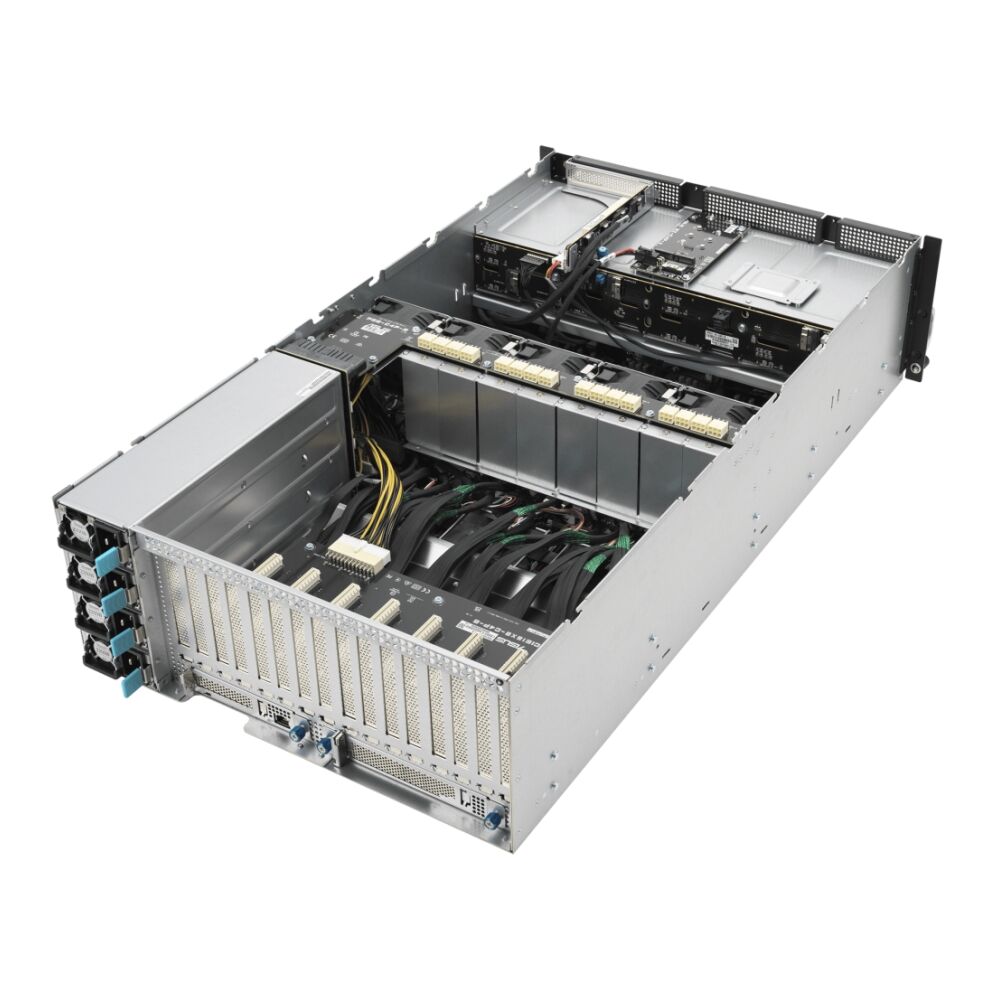
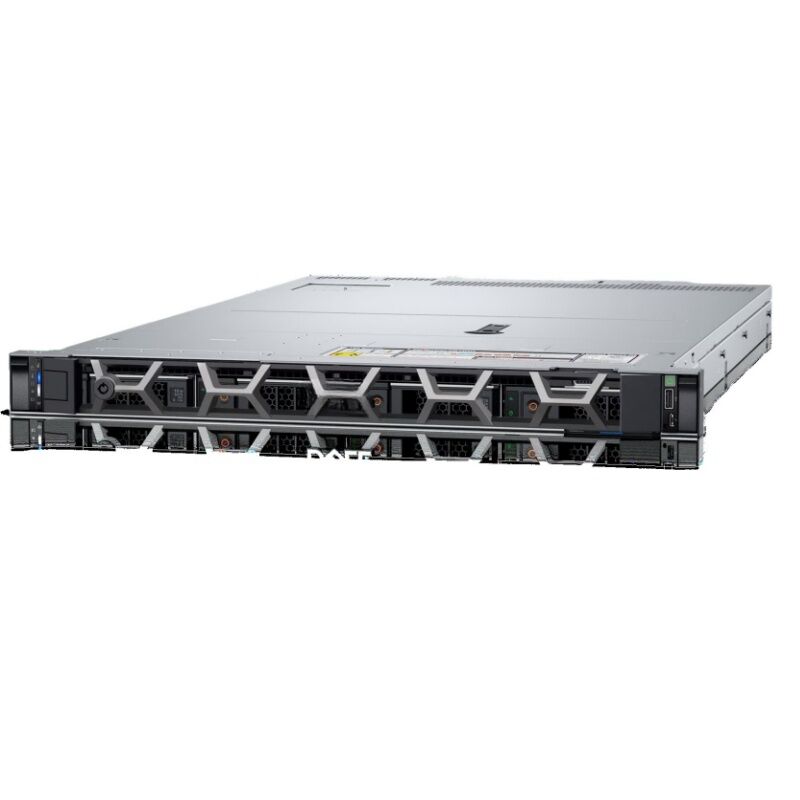
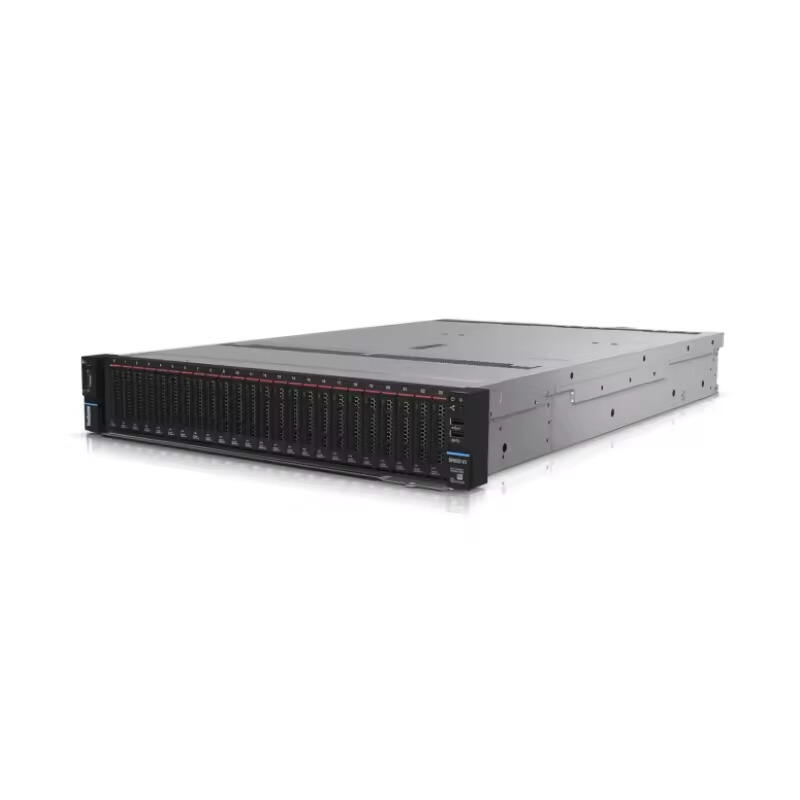
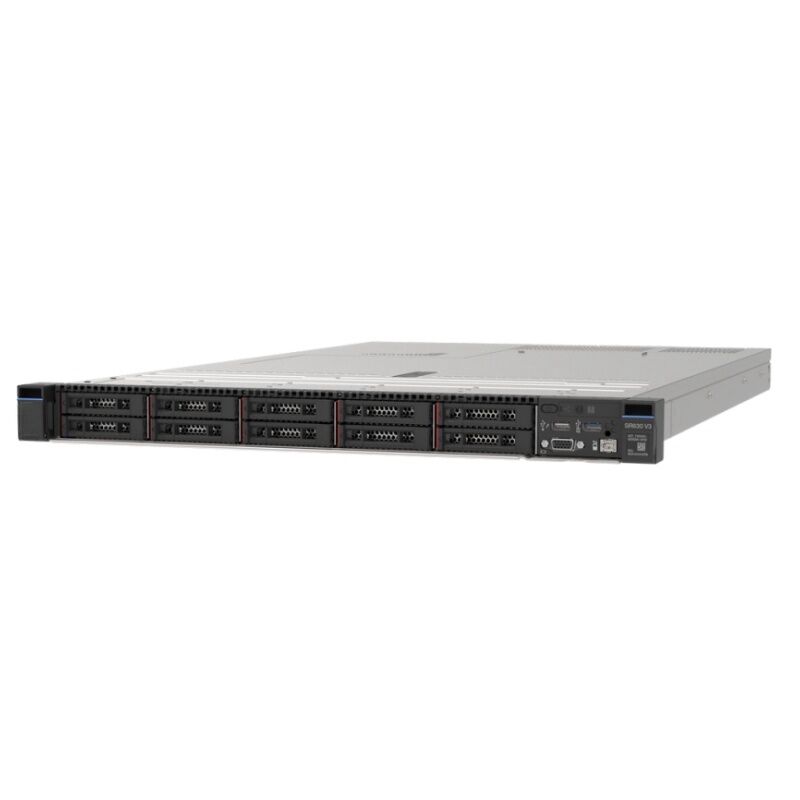
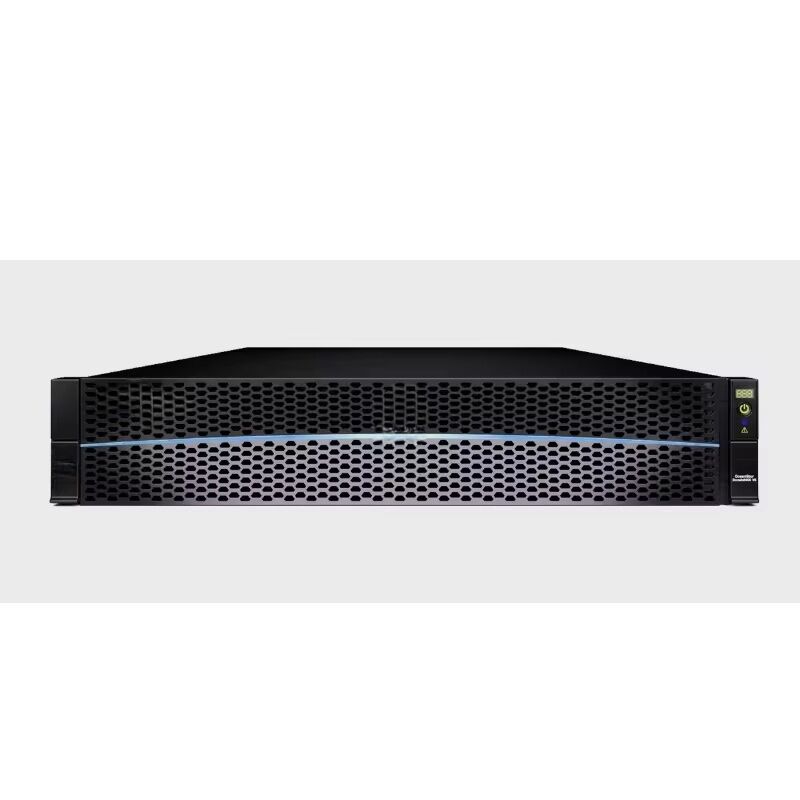
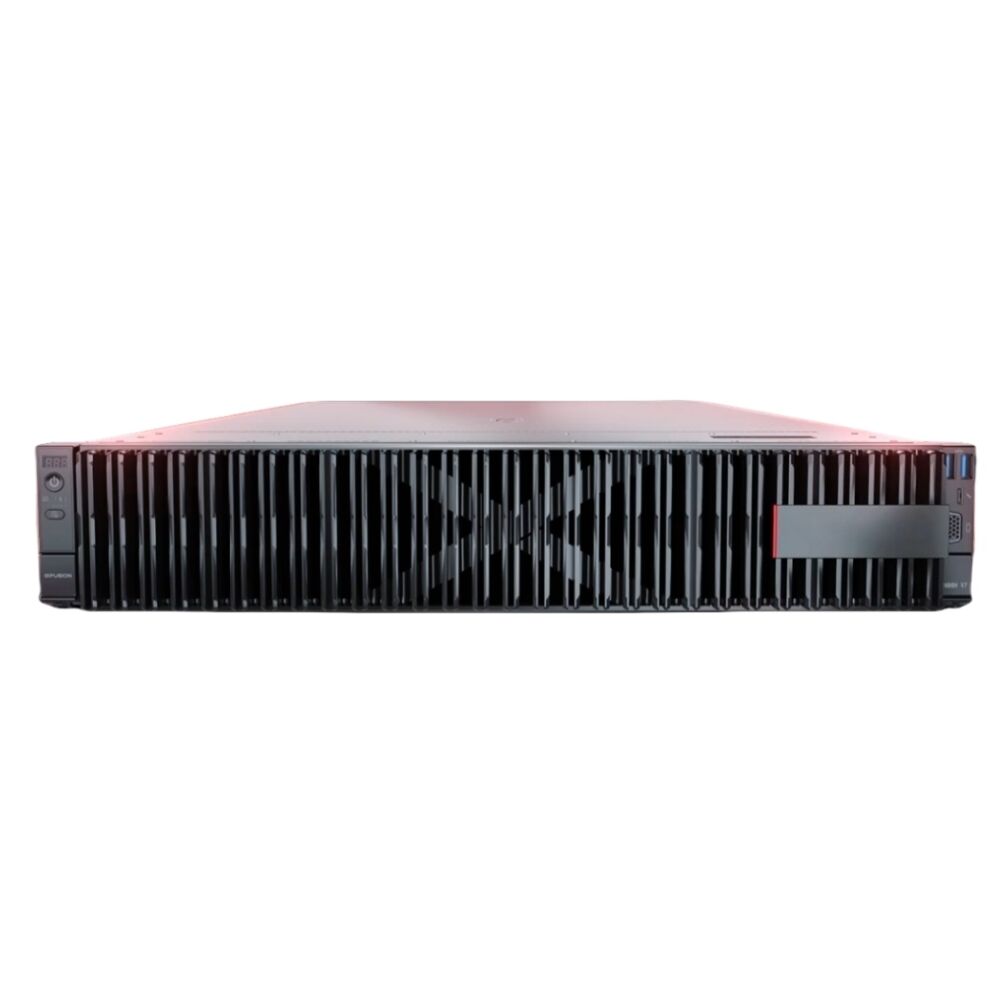
A rack server chassis represents the fundamental housing structure that forms the backbone of modern data center infrastructure. This specialized enclosure system provides the essential framework for mounting and organizing server components within standard 19-inch equipment racks. The rack server chassis serves as both a protective shell and a sophisticated platform that enables efficient hardware deployment, cooling management, and system scalability across enterprise environments. The primary functions of a rack server chassis encompass multiple critical areas that directly impact operational performance. These chassis units offer standardized mounting solutions that accommodate various server configurations, from single-unit 1U designs to larger multi-unit installations. The structural integrity provided by the rack server chassis ensures reliable protection for sensitive electronic components while facilitating easy access for maintenance and upgrades. Modern rack server chassis incorporate advanced cable management systems that organize power and data connections, reducing clutter and improving airflow efficiency. The technological features embedded within contemporary rack server chassis designs reflect years of engineering evolution focused on maximizing performance while minimizing operational complexity. These systems typically include integrated cooling mechanisms such as strategically positioned fan mounts and ventilation channels that promote optimal thermal management. Many rack server chassis models feature tool-less installation capabilities, allowing rapid deployment and reconfiguration without specialized equipment. Hot-swappable component bays enable continuous operation during hardware maintenance, ensuring minimal downtime for critical business applications. The applications for rack server chassis span across diverse industry sectors, from small business networks to large-scale cloud computing facilities. Financial institutions rely on these systems for secure transaction processing, while healthcare organizations utilize them for patient data management and medical imaging storage. Educational institutions implement rack server chassis solutions for campus-wide network infrastructure, and manufacturing companies depend on them for industrial automation and supply chain management systems.

Popular Products

The rack server chassis delivers substantial operational benefits that directly translate into improved business performance and reduced total cost of ownership. Organizations that implement these systems experience enhanced equipment density, allowing them to maximize computing power within limited physical space. This space efficiency proves particularly valuable in urban data centers where real estate costs remain high and expansion opportunities are limited. The standardized design approach of rack server chassis enables seamless integration with existing infrastructure, eliminating compatibility concerns and reducing implementation complexity. Cost savings represent one of the most compelling advantages of rack server chassis deployment. These systems reduce initial capital expenditure through shared power distribution and cooling resources, while ongoing operational expenses decrease due to improved energy efficiency and simplified maintenance procedures. The modular nature of rack server chassis allows organizations to scale their infrastructure incrementally, avoiding large upfront investments while maintaining flexibility for future growth. This approach enables businesses to align their technology spending with actual demand, improving financial planning accuracy and cash flow management. Maintenance efficiency improves dramatically with rack server chassis implementation, as technicians can access multiple systems from a centralized location. The organized layout reduces troubleshooting time and minimizes the risk of human error during routine maintenance tasks. Cable management systems integrated into rack server chassis designs prevent accidental disconnections and improve visual inspection capabilities. These features combine to reduce mean time to repair and increase overall system availability, directly supporting business continuity objectives. Performance optimization represents another significant advantage of rack server chassis utilization. The controlled environment created by these systems ensures consistent operating temperatures and proper ventilation for all mounted equipment. This thermal management capability extends component lifespan and maintains peak performance levels across the entire infrastructure. Network latency decreases when servers are housed within the same rack server chassis, as shorter cable runs reduce signal transmission delays. The centralized power distribution provided by rack server chassis improves electrical efficiency and reduces power conversion losses compared to individual server power supplies. Security enhancements emerge naturally from rack server chassis deployment, as the enclosed design provides physical protection against unauthorized access and environmental hazards. Locking mechanisms and access controls can be implemented at the chassis level, creating additional security layers beyond individual server protections.

Practical Tips

Shanghai Qingguang Electronics Celebrates 8th Anniversary with Robust Global Growth

06

Mar

Shanghai Qingguang Electronics Celebrates 8th Anniversary with Robust Global Growth

View More
Qingguang Electronics Launches New IT Solutions to Empower Digital Transformation

06

Mar

Qingguang Electronics Launches New IT Solutions to Empower Digital Transformation

View More
AI Servers: The Engine of Future Computing

09

Jun

AI Servers: The Engine of Future Computing

View More
[Urgent Announcement]

25

Jul

[Urgent Announcement]

View More

Get a Free Quote

Our representative will contact you soon.
Email
WhatsApp/Mobile
Name
Company Name
Message
0/1000

rack server chassis

Superior Thermal Management and Energy Efficiency

Superior Thermal Management and Energy Efficiency

The advanced thermal management capabilities of modern rack server chassis represent a revolutionary approach to data center cooling that delivers measurable improvements in energy efficiency and equipment reliability. These sophisticated systems incorporate precision-engineered airflow pathways that create optimal cooling zones throughout the chassis structure, ensuring consistent temperature distribution across all mounted components. The strategic placement of intake and exhaust vents works in conjunction with internal fan arrays to establish directed cooling patterns that eliminate hot spots and maintain ideal operating temperatures. This comprehensive thermal management approach extends far beyond basic ventilation, incorporating intelligent fan speed control systems that automatically adjust cooling capacity based on real-time temperature monitoring and workload demands. The energy efficiency benefits of properly designed rack server chassis thermal management systems translate directly into reduced operational costs and improved environmental sustainability. By optimizing airflow patterns and eliminating inefficient cooling practices, these systems can reduce overall power consumption by up to thirty percent compared to traditional server deployment methods. The improved cooling efficiency allows organizations to increase server density without proportional increases in cooling infrastructure, maximizing the return on data center real estate investments. Advanced rack server chassis models feature containment systems that separate hot and cold air streams, preventing thermal mixing that wastes cooling energy. These containment solutions work particularly effectively in large-scale deployments where multiple chassis units operate in coordinated cooling zones. The precision temperature control enabled by rack server chassis thermal management systems also contributes to enhanced component reliability and extended hardware lifespan. Electronic components operating within optimal temperature ranges experience significantly lower failure rates and maintain peak performance characteristics over extended operational periods. This reliability improvement reduces unexpected downtime costs and minimizes the frequency of hardware replacement cycles, providing substantial long-term value for organizations investing in quality rack server chassis solutions.
Scalable Architecture for Future Growth

Scalable Architecture for Future Growth

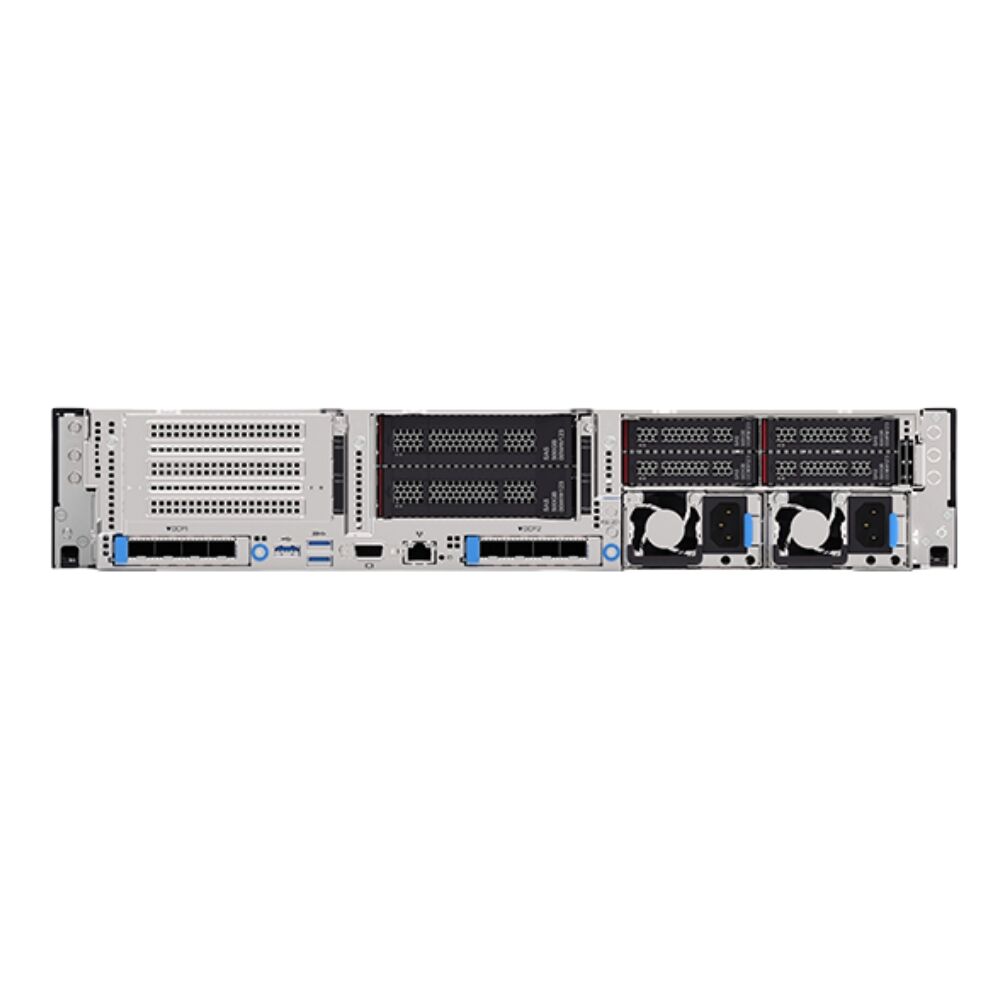
The inherently scalable architecture of rack server chassis systems provides organizations with unparalleled flexibility to adapt their computing infrastructure in response to changing business requirements and technological advancement. This scalability extends across multiple dimensions, including processing capacity, storage expansion, network connectivity, and power distribution, ensuring that initial investments continue to provide value as organizational needs evolve. The modular design philosophy underlying modern rack server chassis enables seamless integration of new components and technologies without requiring complete infrastructure overhauls or extensive downtime periods. Organizations can incrementally expand their computing capabilities by adding server modules, storage arrays, or networking equipment within existing chassis structures, maintaining operational continuity while scaling performance. This approach proves particularly valuable for growing businesses that need to balance current operational requirements with future expansion possibilities, allowing them to avoid over-provisioning expensive hardware while ensuring adequate capacity for anticipated growth. The standardized interfaces and mounting systems incorporated into rack server chassis designs facilitate easy integration of components from multiple vendors, preventing vendor lock-in scenarios and promoting competitive pricing through supplier diversity. The power distribution capabilities of modern rack server chassis support scalable growth through redundant power supplies and intelligent load balancing systems that accommodate increasing power demands without requiring complete electrical infrastructure upgrades. Advanced power management features enable organizations to monitor and optimize energy consumption across individual components, ensuring efficient operation as system complexity increases. Network scalability benefits emerge from the high-density port configurations and cable management systems that support increasing connectivity requirements without compromising performance or reliability. The structured cabling approaches enabled by rack server chassis designs maintain signal integrity and reduce network latency even as the number of connected devices grows substantially. Storage scalability receives significant support from rack server chassis architectures that accommodate various storage technologies, from traditional spinning drives to high-performance solid-state arrays, enabling organizations to optimize storage performance and capacity based on specific application requirements rather than infrastructure limitations.
Enhanced Security and Physical Protection

Enhanced Security and Physical Protection

The comprehensive security framework provided by rack server chassis systems establishes multiple layers of physical and environmental protection that safeguard critical computing assets against diverse threat vectors while maintaining operational accessibility for authorized personnel. These security measures extend beyond simple physical barriers to encompass sophisticated access control mechanisms, environmental monitoring systems, and intrusion detection capabilities that work together to create a robust security posture. The enclosed chassis design provides fundamental protection against unauthorized physical access, dust contamination, electromagnetic interference, and accidental damage that could compromise sensitive electronic components. Modern rack server chassis incorporate advanced locking mechanisms that support various authentication methods, including traditional key-based systems, electronic card readers, and biometric access controls, enabling organizations to implement security policies that align with their specific risk management requirements. The physical separation provided by rack server chassis creates distinct security zones within data center environments, allowing organizations to implement differentiated security controls based on the criticality and sensitivity of hosted applications and data. High-security chassis models feature tamper-evident seals and intrusion detection sensors that automatically log unauthorized access attempts and trigger security alerts through integrated monitoring systems. These capabilities prove essential for organizations operating under strict regulatory compliance requirements or handling sensitive information that demands enhanced protection measures. Environmental protection represents another critical security dimension addressed by rack server chassis designs, as these systems shield equipment from temperature fluctuations, humidity variations, and airborne contaminants that could cause equipment failure or data corruption. The controlled environment maintained within rack server chassis reduces the risk of environmental damage and ensures consistent operating conditions that support optimal security system performance. Cable management systems integrated into rack server chassis designs contribute to security by organizing and protecting network connections, reducing the risk of accidental disconnections or unauthorized network tapping attempts. The structured approach to cable routing also improves visual inspection capabilities, enabling security personnel to quickly identify any unauthorized modifications or suspicious connections during routine security audits.
Get a Free Quote

Our representative will contact you soon.
Email
WhatsApp/Mobile
Name
Company Name
Message
0/1000