Industrial CPU: Robust Processing Solutions for Manufacturing and Automation Systems

Contact me immediately if you encounter problems!

All Categories

industrial cpu

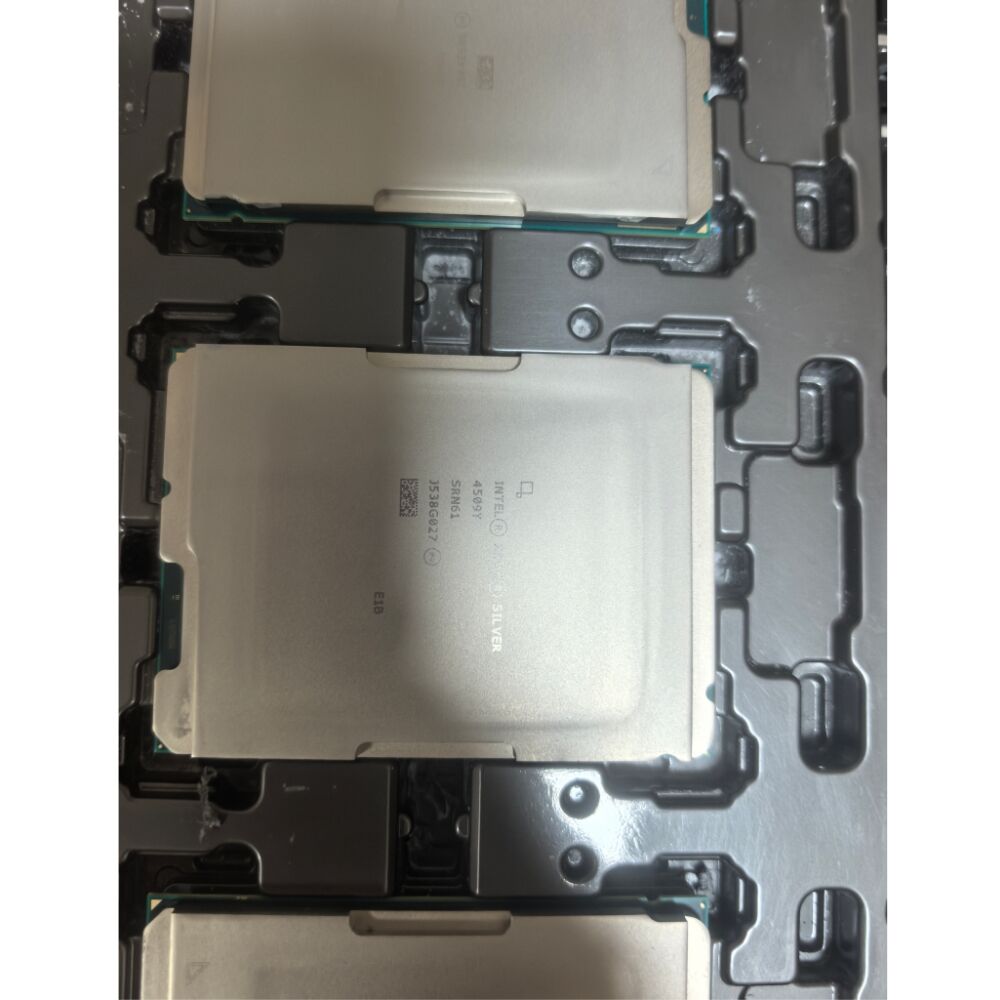
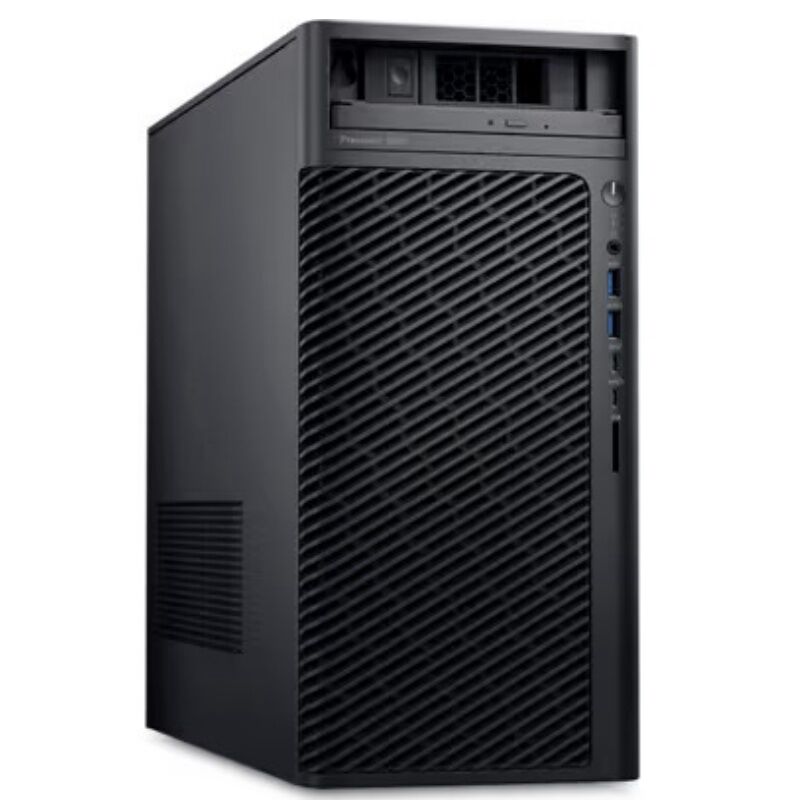
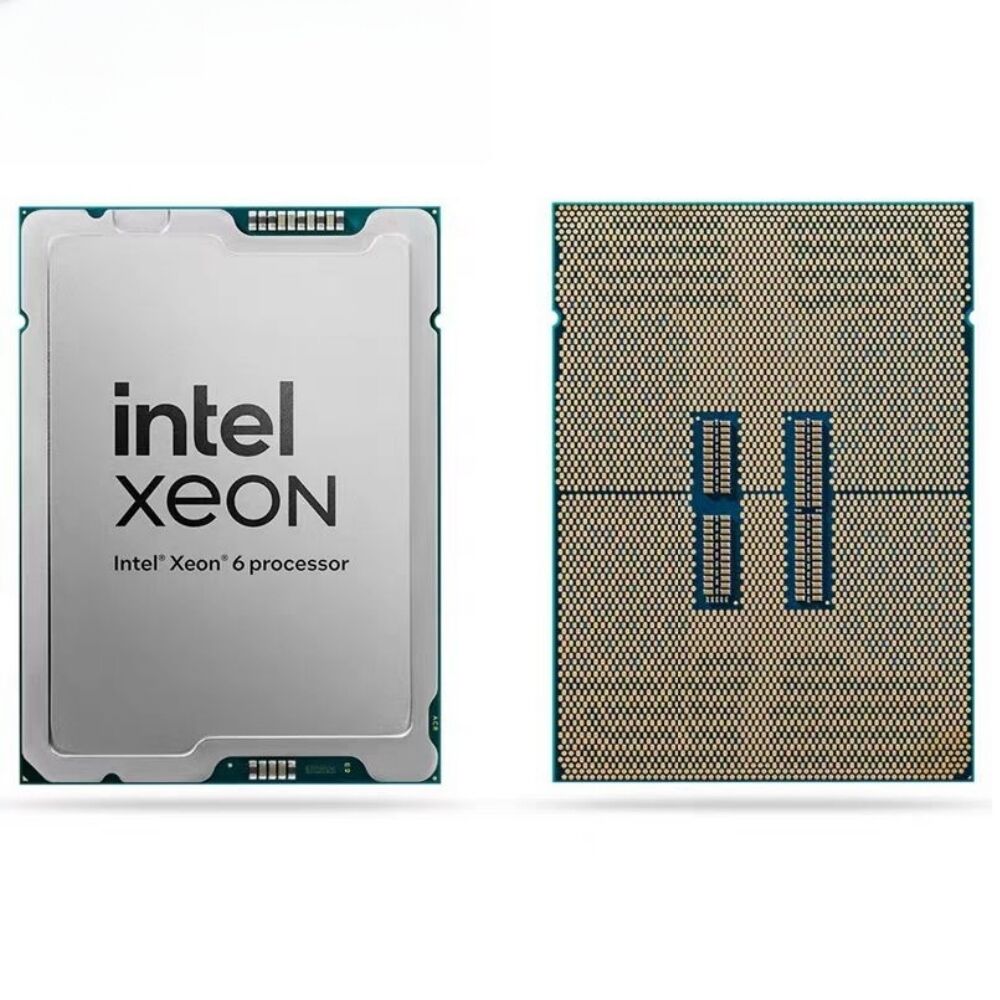
An industrial CPU represents the backbone of modern manufacturing and automation systems, delivering robust computational power designed specifically for harsh operational environments. Unlike standard consumer processors, an industrial CPU undergoes rigorous testing and engineering to withstand extreme temperatures, vibrations, electromagnetic interference, and continuous operation cycles that would compromise conventional computing hardware. The primary function of an industrial CPU centers on real-time data processing, system control, and communication management within manufacturing environments. These specialized processors excel at handling multiple simultaneous tasks including sensor data acquisition, machine control algorithms, safety monitoring protocols, and network communication management. The technological architecture of an industrial CPU incorporates enhanced thermal management systems, reinforced circuitry, and specialized instruction sets optimized for industrial applications. Extended temperature ranges typically span from negative forty to positive eighty-five degrees Celsius, ensuring reliable operation in foundries, chemical plants, outdoor installations, and other challenging environments. Power efficiency remains paramount, as industrial CPU units must operate continuously for years without maintenance interruptions. Advanced power management features include dynamic frequency scaling, intelligent sleep modes, and fault-tolerant power supply integration. Communication capabilities encompass multiple industrial protocols including Modbus, Profibus, EtherCAT, and CAN bus, enabling seamless integration with existing factory automation networks. Memory architecture supports error-correcting code technology, preventing data corruption in electrically noisy environments common in industrial settings. Security features protect against cyber threats while maintaining system availability, incorporating hardware-based encryption and secure boot processes. Industrial CPU applications span automotive manufacturing, food processing, pharmaceutical production, energy generation, water treatment facilities, and transportation systems, where reliability and precision control determine operational success and safety compliance.
New Products

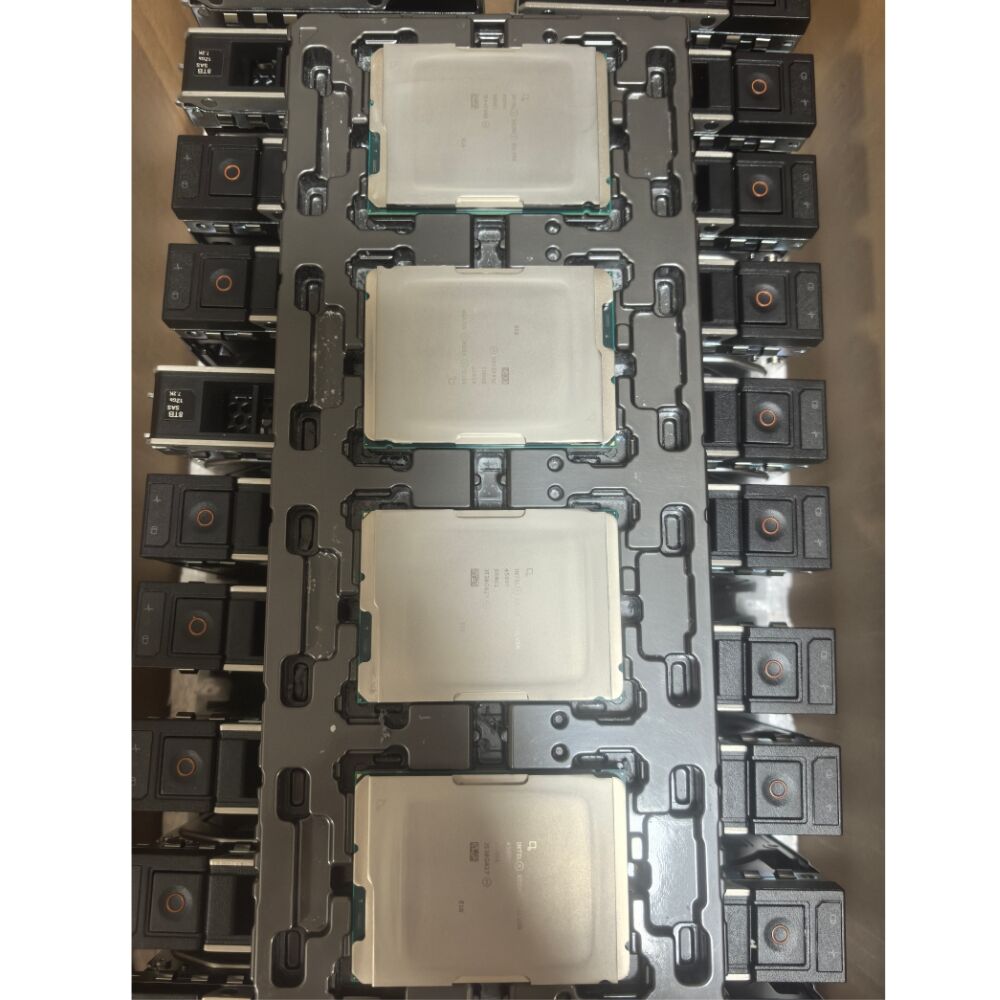
Industrial CPU systems deliver exceptional reliability that standard computing solutions cannot match in demanding production environments. These processors maintain consistent performance through temperature fluctuations, electrical noise, and mechanical vibrations that would disable consumer-grade hardware within hours. Manufacturing facilities benefit from reduced downtime costs, as industrial CPU units operate continuously for decades without requiring replacement or major maintenance interventions. The extended operational lifespan translates directly into lower total cost of ownership compared to frequently replacing standard processors. Energy efficiency optimization helps facilities reduce operational expenses while meeting environmental sustainability goals. Industrial CPU designs consume minimal power during peak processing loads, generating less heat and reducing cooling system requirements throughout manufacturing plants. This efficiency directly impacts monthly utility bills and carbon footprint calculations for environmentally conscious organizations. Real-time processing capabilities enable immediate response to critical system events, preventing equipment damage and ensuring worker safety. Split-second decision making becomes possible when industrial CPU units process sensor inputs and execute control algorithms without delays that could result in production line failures or safety hazards. Scalability advantages allow manufacturers to expand operations without completely replacing control systems. Industrial CPU architectures support modular expansion, enabling companies to add processing power, memory capacity, and communication interfaces as production requirements evolve. Integration flexibility simplifies connecting legacy equipment with modern automation systems through comprehensive protocol support. Companies avoid costly infrastructure overhauls when industrial CPU solutions bridge communication gaps between different equipment generations. Maintenance simplicity reduces technical support costs and minimizes specialized training requirements for plant personnel. Industrial CPU systems feature diagnostic capabilities that identify potential issues before failures occur, enabling proactive maintenance scheduling that prevents unexpected production interruptions. Remote monitoring capabilities allow technical experts to diagnose and resolve issues without traveling to facility locations, reducing response times and service costs. Security enhancements protect valuable intellectual property and prevent cyber attacks that could compromise production schedules or product quality standards.

Tips And Tricks

Shanghai Qingguang Electronics Celebrates 8th Anniversary with Robust Global Growth

06

Mar

Shanghai Qingguang Electronics Celebrates 8th Anniversary with Robust Global Growth

View More
Qingguang Electronics Launches New IT Solutions to Empower Digital Transformation

06

Mar

Qingguang Electronics Launches New IT Solutions to Empower Digital Transformation

View More
AI Servers: The Engine of Future Computing

09

Jun

AI Servers: The Engine of Future Computing

View More
[Urgent Announcement]

25

Jul

[Urgent Announcement]

View More

Get a Free Quote

Our representative will contact you soon.
Email
WhatsApp/Mobile
Name
Company Name
Message
0/1000

industrial cpu

Extreme Environment Durability and Reliability Engineering

Extreme Environment Durability and Reliability Engineering

Industrial CPU units undergo comprehensive environmental testing that exceeds standard commercial processor requirements by significant margins, ensuring dependable operation in the most challenging manufacturing conditions. These specialized processors withstand temperature extremes ranging from arctic cold storage facilities to steel foundry heat zones, maintaining computational accuracy and system stability throughout severe thermal cycling. Vibration resistance testing subjects industrial CPU systems to mechanical stress levels equivalent to heavy machinery operation, railway transportation, and seismic activity, proving their capability to function reliably in mobile applications and high-vibration industrial environments. Electromagnetic compatibility engineering shields internal circuitry from radio frequency interference, electrical motor noise, and power line fluctuations commonly found in manufacturing facilities filled with welding equipment, variable frequency drives, and switching power supplies. Humidity resistance prevents corrosion and electrical shorts in coastal installations, chemical processing plants, and outdoor applications where moisture exposure remains constant. Shock resistance testing validates structural integrity under sudden impact forces that occur during equipment installation, transportation, and accidental collisions. Extended operational lifespan often exceeds fifteen years of continuous operation, providing exceptional return on investment compared to consumer processors requiring replacement every few years. Quality assurance protocols include burn-in testing, where each industrial CPU operates under maximum stress conditions for extended periods before shipping, eliminating early failure units and ensuring only the most robust processors reach customer installations. This rigorous qualification process reduces warranty claims, minimizes unexpected downtime, and builds customer confidence in system reliability. Component selection emphasizes military-grade materials and manufacturing processes that exceed commercial standards, including conformal coatings that protect against chemical exposure and moisture infiltration.
Advanced Real-Time Processing and Deterministic Performance

Advanced Real-Time Processing and Deterministic Performance

Real-time processing capabilities distinguish industrial CPU systems from general-purpose computers by guaranteeing predictable response times essential for safety-critical applications and precision manufacturing processes. Deterministic behavior ensures that control algorithms execute within microsecond timeframes, enabling precise motor control, synchronized manufacturing operations, and immediate emergency shutdown procedures when safety sensors detect hazardous conditions. Hardware-based interrupt handling prioritizes critical system events over routine computational tasks, preventing delays that could result in product defects or equipment damage. Multi-core architectures dedicate specific processor cores to real-time functions while reserving others for background tasks like data logging, communication management, and human machine interface operations. This separation prevents computational interference that could compromise time-sensitive control loops. Cache memory optimization reduces memory access latencies, ensuring consistent execution times regardless of data patterns or program complexity. Industrial CPU systems implement specialized instruction sets designed for control algorithms, signal processing, and mathematical operations commonly used in automation applications. Floating-point processing units handle complex calculations required for advanced control strategies, motion planning, and statistical process monitoring with exceptional speed and accuracy. Parallel processing capabilities enable simultaneous execution of multiple control loops, allowing single industrial CPU units to manage entire production lines or complex machinery systems. Performance scaling adapts computational resources based on real-time demands, allocating maximum processing power to critical functions during peak operational periods while conserving energy during routine operations. Benchmark testing validates real-time performance under worst-case scenarios, ensuring industrial CPU systems maintain deterministic behavior even when processing maximum data loads or executing complex control algorithms simultaneously.
Comprehensive Connectivity and Industrial Protocol Support

Comprehensive Connectivity and Industrial Protocol Support

Industrial CPU systems provide extensive connectivity options designed specifically for factory automation networks, legacy equipment integration, and modern Industry 4.0 implementations. Multiple Ethernet ports support redundant network configurations that maintain communication even if primary connections fail, ensuring continuous data exchange between production equipment and enterprise management systems. Fieldbus interfaces include native support for Profibus, DeviceNet, ControlNet, and other established industrial protocols, eliminating the need for expensive gateway devices when connecting to existing automation infrastructure. Serial communication ports accommodate RS-232, RS-485, and RS-422 standards used by older equipment that remains valuable in production environments, extending the operational lifespan of legacy investments while enabling integration with modern control systems. CAN bus support facilitates communication with mobile equipment, automotive manufacturing tools, and distributed sensor networks common in large-scale industrial facilities. Wireless capabilities include industrial-grade WiFi and Bluetooth modules designed for electromagnetic interference environments, enabling flexible equipment positioning and mobile device integration without compromising signal reliability. USB and SD card interfaces simplify configuration management, firmware updates, and data backup procedures, reducing maintenance complexity and enabling rapid system recovery after hardware failures. Digital input and output channels provide direct sensor and actuator connections without requiring separate interface modules, reducing system complexity and potential failure points. Analog signal processing handles temperature sensors, pressure transmitters, and other measurement devices with high-resolution accuracy essential for quality control and process optimization. Expansion slot architectures accommodate specialized communication modules as facility requirements evolve, protecting initial hardware investments while enabling future capability enhancements. Protocol conversion capabilities allow industrial CPU systems to translate between different communication standards, bridging gaps between equipment from various manufacturers and enabling unified control strategies across diverse production environments.

Get a Free Quote

Our representative will contact you soon.
Email
WhatsApp/Mobile
Name
Company Name
Message
0/1000