hard drive hardware
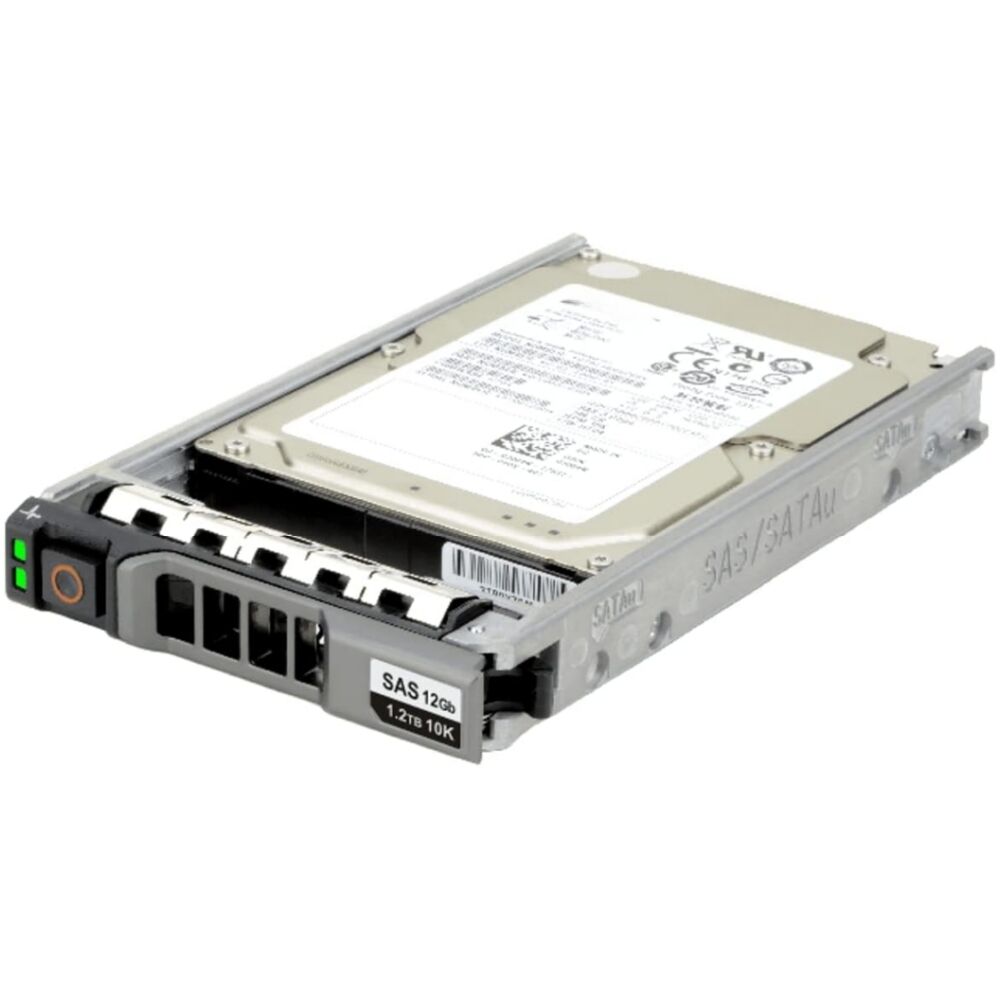
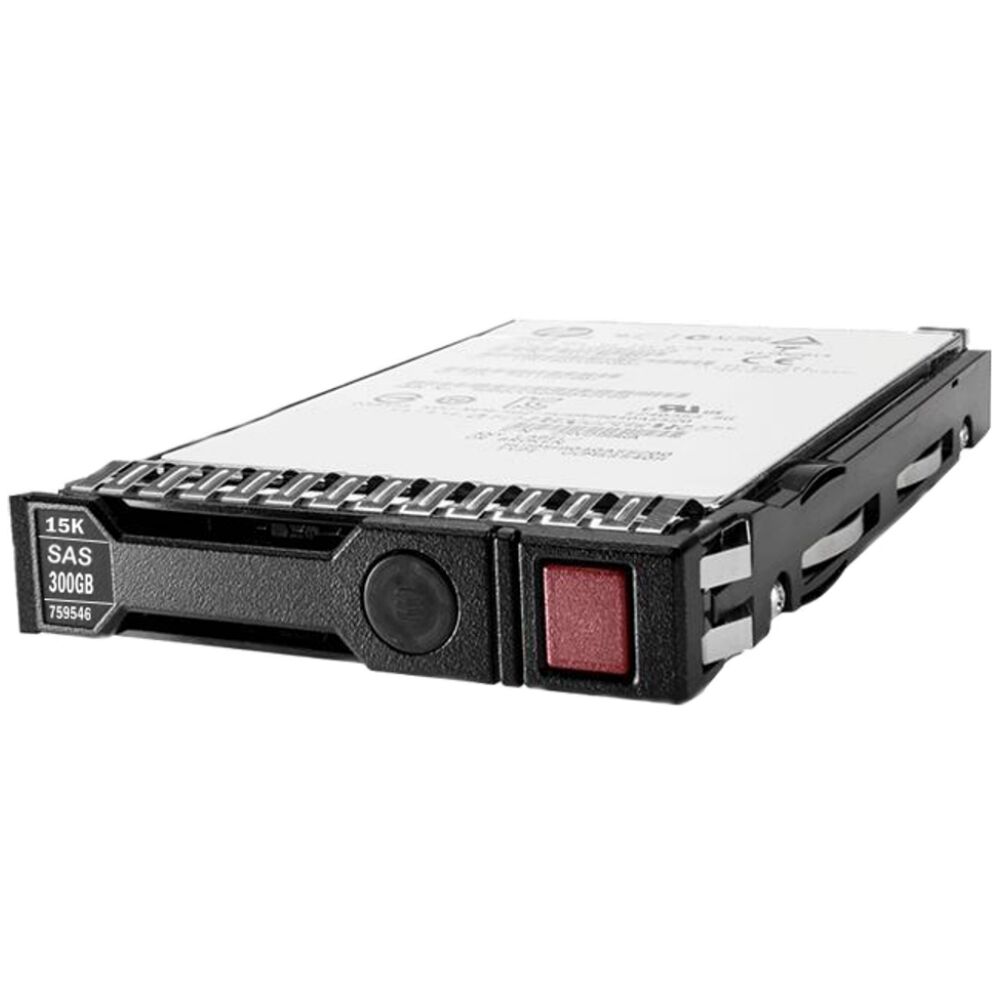
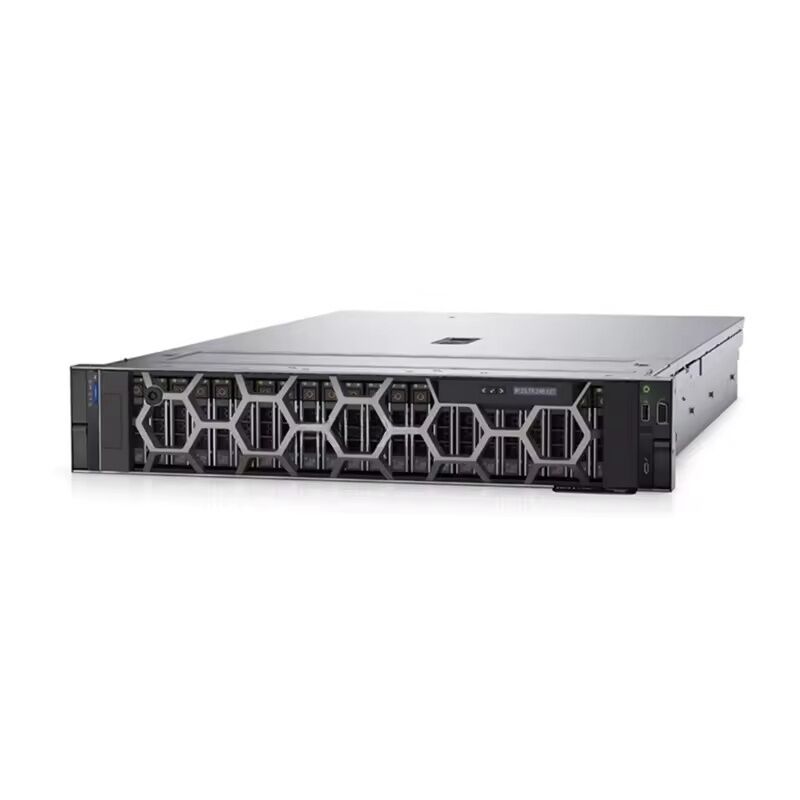
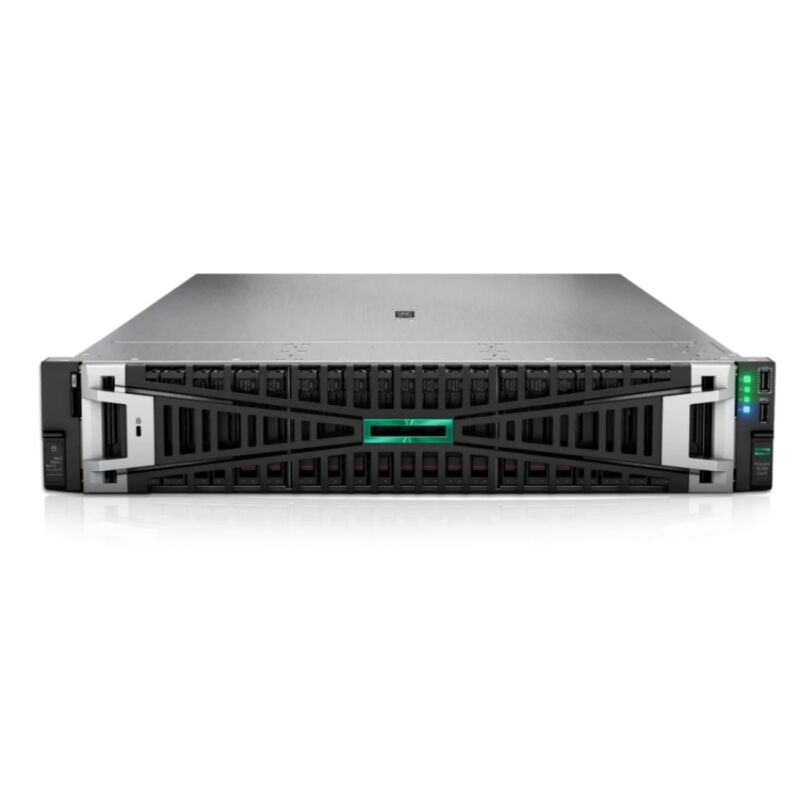
Hard drive hardware represents one of the most fundamental components in modern computing systems, serving as the primary storage medium for digital data across countless applications. This essential piece of technology functions as a non-volatile storage device, meaning it retains information even when power is disconnected, making it indispensable for operating systems, applications, and user files. The core functionality of hard drive hardware revolves around magnetic storage principles, where data is written and retrieved through sophisticated read-write mechanisms that interact with spinning magnetic platters. These storage devices come in various form factors, including traditional 3.5-inch desktop variants and compact 2.5-inch models designed for laptops and portable systems. Modern hard drive hardware incorporates advanced technological features such as perpendicular magnetic recording, which significantly increases data density by orienting magnetic fields vertically rather than horizontally. This innovation allows manufacturers to pack more information into smaller physical spaces, resulting in higher capacity drives without proportional size increases. Cache memory integration represents another crucial technological advancement, with contemporary hard drive hardware featuring substantial buffer zones that accelerate data access speeds and improve overall system responsiveness. Interface technologies have evolved considerably, with SATA (Serial Advanced Technology Attachment) becoming the standard connection method, offering improved data transfer rates and simplified cable management compared to legacy parallel interfaces. Enterprise-grade hard drive hardware often incorporates additional features like vibration resistance, enhanced error correction capabilities, and extended operational temperature ranges to ensure reliable performance in demanding environments. The applications for hard drive hardware span virtually every computing scenario, from personal computers and gaming systems to data centers and cloud storage infrastructure. In desktop environments, these storage devices house operating systems, productivity software, multimedia content, and personal files, while server applications rely on hard drive hardware for database storage, web hosting, and backup solutions. The scalability of hard drive hardware makes it suitable for both individual users requiring modest storage capacity and enterprise customers needing massive data repositories measured in petabytes.



 EN
EN

![[Urgent Announcement]](https://shopcdnpro.grainajz.com/category/369067/2823/24f53eb2cfe445a5ce2ceed47adc2ef9/a0748799-b14b-4645-bac8-0af04099f8c0.jpg)