Enterprise Switch Solutions - Advanced Network Infrastructure for Business Growth

Contact me immediately if you encounter problems!

All Categories

enterprise switch

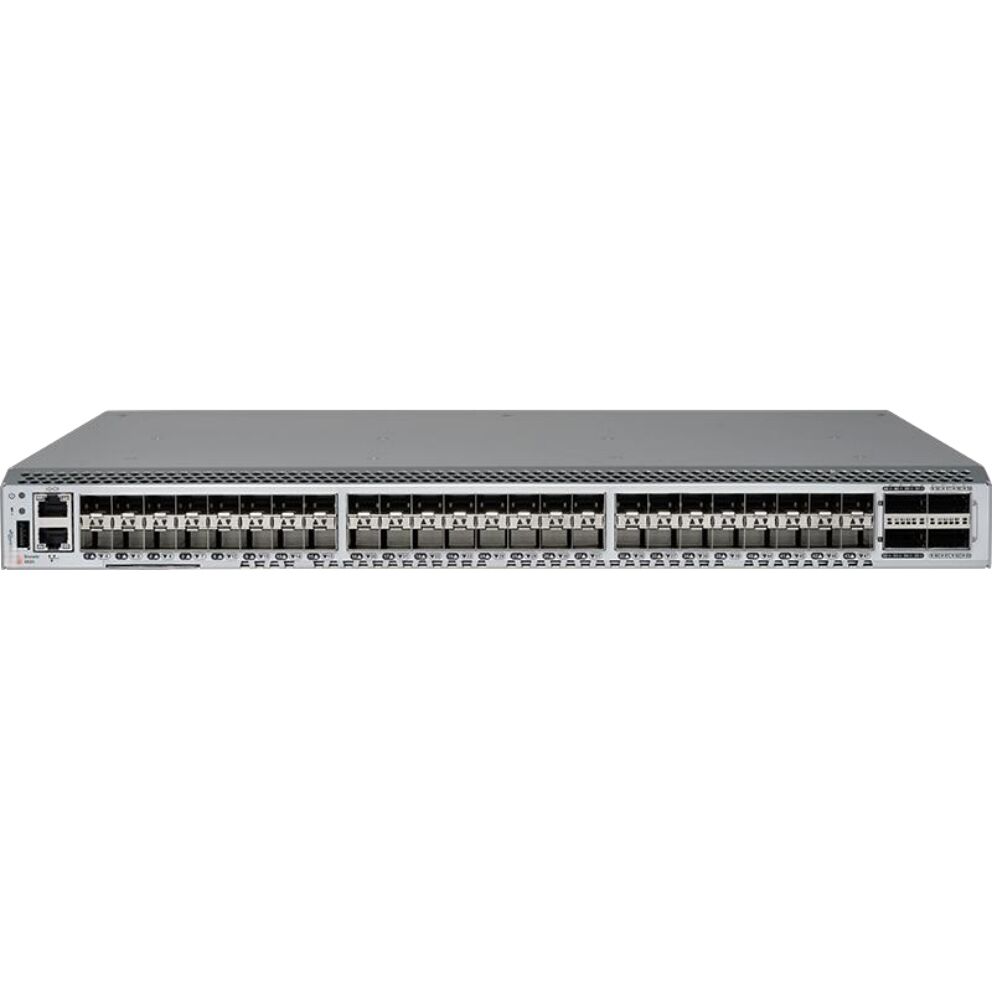
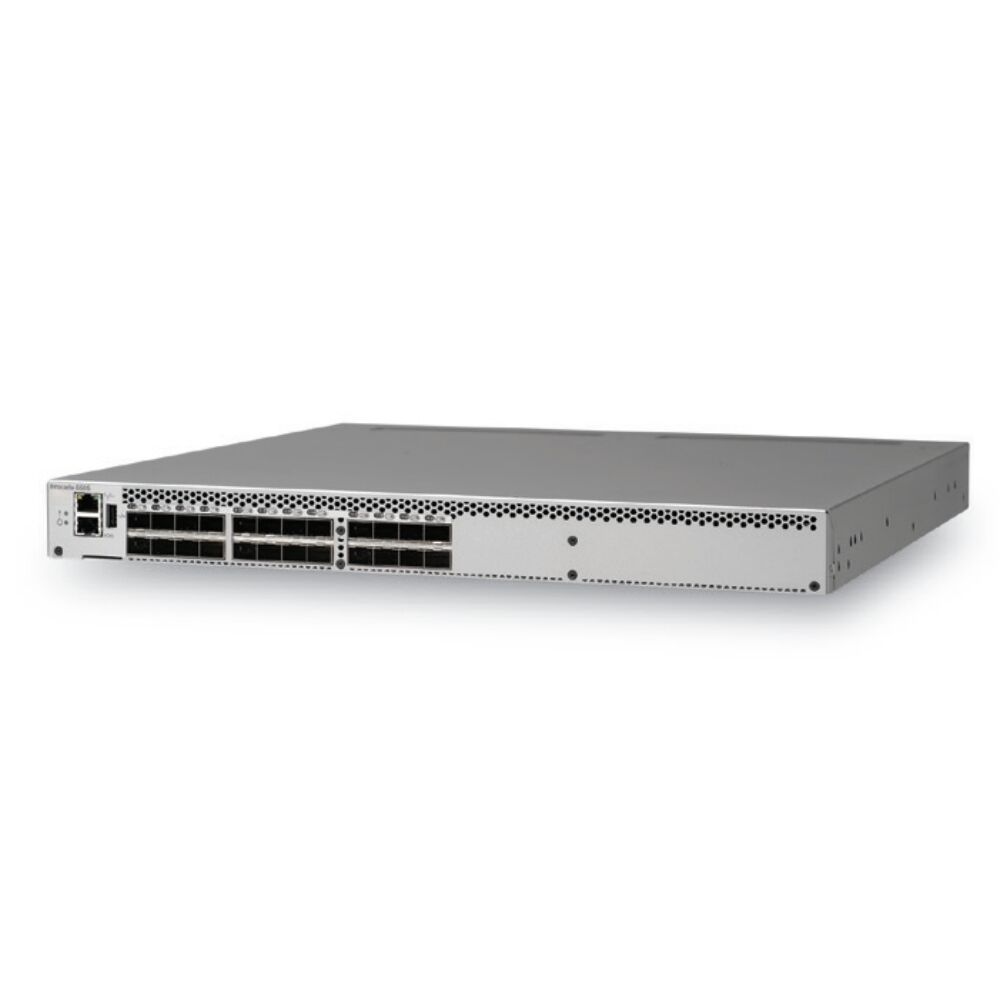
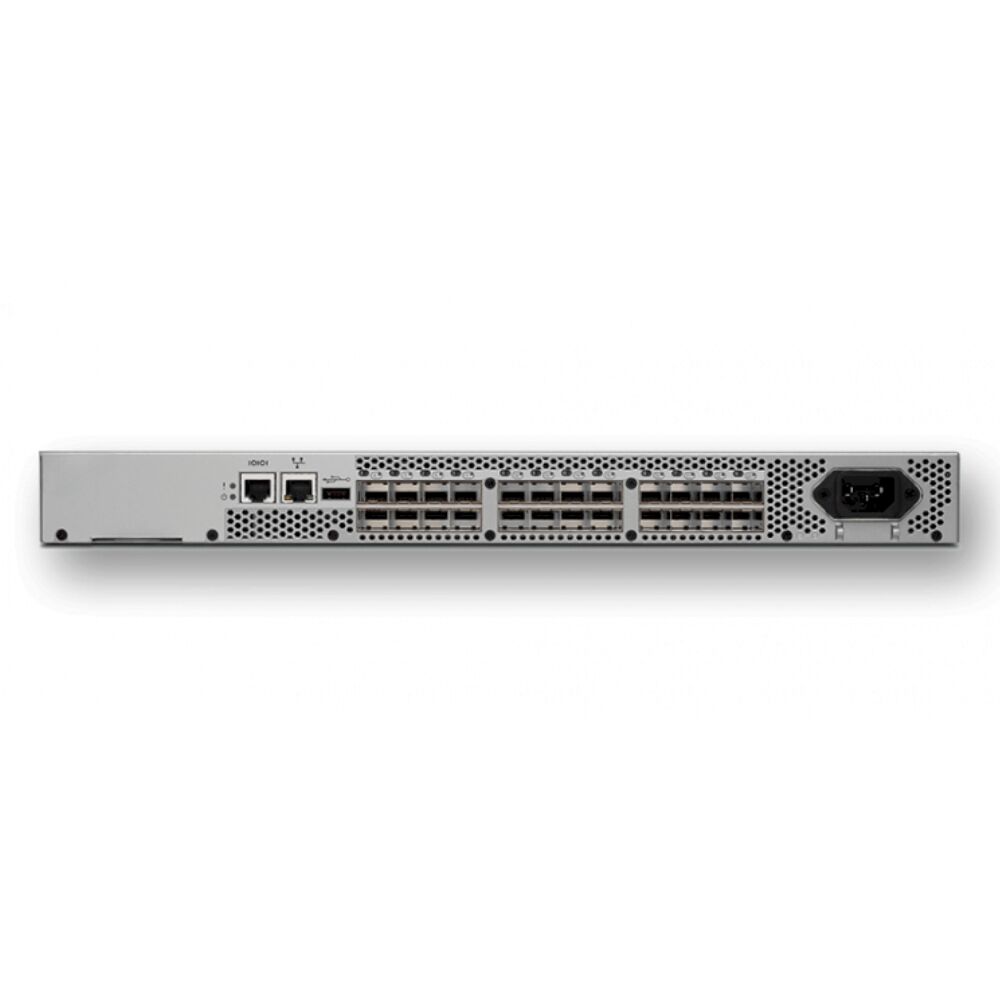
An enterprise switch represents a critical network infrastructure component designed to connect multiple devices within corporate environments while managing data traffic efficiently. These sophisticated networking devices operate at the data link layer of the OSI model, facilitating seamless communication between computers, servers, printers, and other networked equipment. Unlike consumer-grade switches, enterprise switches deliver advanced functionality tailored for business-critical operations, including enhanced security protocols, comprehensive management capabilities, and superior performance metrics. Modern enterprise switches incorporate cutting-edge technologies such as Power over Ethernet (PoE), Quality of Service (QoS) prioritization, and virtual LAN (VLAN) segmentation to optimize network performance. These devices feature multiple Gigabit Ethernet ports, often ranging from 24 to 48 ports, with additional high-speed uplink connections supporting 10 Gigabit or higher data rates. Advanced models include stack-able architectures, enabling organizations to scale their networks seamlessly as business requirements evolve. Enterprise switches support various management protocols including Simple Network Management Protocol (SNMP), allowing administrators to monitor network health, configure settings remotely, and troubleshoot connectivity issues proactively. Security features encompass access control lists, port security, and 802.1X authentication, protecting sensitive corporate data from unauthorized access. Applications span across diverse industries including healthcare, finance, education, and manufacturing, where reliable network connectivity drives operational efficiency. These switches integrate seamlessly with existing IT infrastructure, supporting both wired and wireless network architectures while maintaining backward compatibility with legacy systems. The robust design ensures continuous operation in demanding environments, featuring redundant power supplies and advanced cooling systems to prevent downtime.
Popular Products

Enterprise switches deliver substantial cost savings by consolidating network management tasks and reducing operational complexity for IT departments. Organizations achieve significant productivity gains through improved network reliability, as these devices minimize downtime and connection failures that disrupt business operations. The enhanced security features protect valuable company data from cyber threats, preventing costly breaches that could damage reputation and result in regulatory penalties. Scalability represents another major advantage, allowing businesses to expand their network infrastructure without replacing existing equipment, thereby protecting initial investments while accommodating growth. Advanced traffic management capabilities ensure critical applications receive priority bandwidth, improving performance for essential business processes such as video conferencing, cloud applications, and database transactions. The centralized management interface simplifies network administration, enabling IT staff to configure multiple switches simultaneously and implement consistent policies across the entire organization. Power over Ethernet functionality eliminates the need for separate power cables to devices like IP phones and wireless access points, reducing installation costs and complexity while maintaining cleaner work environments. Quality of Service features guarantee optimal performance for time-sensitive applications, ensuring voice and video communications maintain professional quality standards during peak usage periods. Remote monitoring capabilities allow administrators to identify and resolve network issues before they impact users, minimizing support tickets and improving overall user satisfaction. The robust construction and enterprise-grade components ensure longevity, typically operating reliably for five to ten years, providing excellent return on investment compared to consumer alternatives. VLAN segmentation enhances network security by isolating different departments or functions, preventing unauthorized access to sensitive information while maintaining efficient communication within authorized groups. Stack-able designs enable seamless capacity expansion without disrupting existing network operations, allowing organizations to respond quickly to changing business requirements. Comprehensive reporting features provide valuable insights into network usage patterns, helping IT teams optimize performance and plan future upgrades strategically.

Latest News

Qingguang Electronics Strengthens Global Partnerships Across 30+ Countries

06

Mar

Qingguang Electronics Strengthens Global Partnerships Across 30+ Countries

View More
Qingguang Electronics Launches New IT Solutions to Empower Digital Transformation

06

Mar

Qingguang Electronics Launches New IT Solutions to Empower Digital Transformation

View More
AI Servers: The Engine of Future Computing

09

Jun

AI Servers: The Engine of Future Computing

View More
[Urgent Announcement]

25

Jul

[Urgent Announcement]

View More

Get a Free Quote

Our representative will contact you soon.
Email
WhatsApp/Mobile
Name
Company Name
Message
0/1000

enterprise switch

Advanced Security Architecture and Access Control

Advanced Security Architecture and Access Control

Enterprise switches incorporate multi-layered security frameworks that protect organizational networks from both internal and external threats through sophisticated access control mechanisms and monitoring capabilities. These devices implement 802.1X port-based authentication, requiring users to provide valid credentials before gaining network access, effectively preventing unauthorized devices from connecting to corporate infrastructure. Access control lists enable administrators to define granular permissions, specifying which users can access particular network segments or resources based on their roles and responsibilities within the organization. Port security features automatically disable connections when suspicious activity is detected, such as MAC address spoofing attempts or excessive connection requests from unknown devices. Advanced models support network access control integration with existing directory services like Active Directory, streamlining user management while maintaining centralized security policies. Dynamic VLAN assignment ensures users automatically receive appropriate network access based on their authentication credentials, eliminating manual configuration tasks while enhancing security posture. Intrusion detection capabilities monitor network traffic patterns in real-time, identifying potential security breaches and alerting administrators to suspicious activities before damage occurs. The enterprise switch maintains detailed audit logs of all network activities, providing forensic capabilities essential for compliance requirements and security investigations. Rate limiting features prevent denial-of-service attacks by controlling the volume of traffic individual ports can process, maintaining network stability during security incidents. Storm control mechanisms automatically detect and mitigate broadcast storms that could overwhelm network resources and impact legitimate business communications. These comprehensive security measures work together to create a robust defensive perimeter that adapts to evolving threat landscapes while maintaining seamless connectivity for authorized users and applications.
Intelligent Traffic Management and Performance Optimization

Intelligent Traffic Management and Performance Optimization

Modern enterprise switches employ sophisticated traffic management algorithms that intelligently prioritize network communications to ensure optimal performance for business-critical applications and services. Quality of Service implementations analyze packet headers to identify application types, automatically assigning priority levels that guarantee bandwidth allocation for essential communications such as VoIP calls, video conferences, and real-time collaboration tools. Adaptive load balancing distributes network traffic across multiple paths, preventing bottlenecks while maximizing available bandwidth utilization throughout the infrastructure. Buffer management systems temporarily store incoming packets during peak traffic periods, preventing data loss while maintaining smooth communication flows even when network demand exceeds capacity. Traffic shaping capabilities allow administrators to control bandwidth consumption by specific applications or user groups, ensuring fair resource allocation while preventing non-essential activities from impacting productivity applications. Advanced models support application-aware networking, automatically recognizing common business applications and applying appropriate performance policies without manual intervention. Link aggregation technology combines multiple physical connections into logical high-capacity channels, increasing throughput while providing redundancy that maintains connectivity during individual link failures. Flow control mechanisms prevent fast-sending devices from overwhelming slower recipients, maintaining stable communications across mixed-speed network environments. Multicast optimization reduces bandwidth consumption by efficiently delivering identical content to multiple recipients simultaneously, particularly beneficial for video streaming and software distribution scenarios. Jumbo frame support accommodates large data transfers with reduced processing overhead, improving performance for backup operations and high-volume database synchronizations. These intelligent systems continuously monitor network conditions and automatically adjust configurations to maintain optimal performance levels, ensuring consistent user experiences regardless of changing traffic patterns or network demands.
Scalable Architecture and Future-Proof Investment Protection

Scalable Architecture and Future-Proof Investment Protection

Enterprise switches feature modular architectures and stack-able designs that enable organizations to scale their network infrastructure seamlessly while protecting existing technology investments and minimizing operational disruptions. Stack-able switch configurations allow multiple units to function as a single logical device, simplifying management while providing linear performance scaling that grows with business requirements. Hot-swappable components including power supplies, fan modules, and interface cards enable maintenance and upgrades without interrupting network services, ensuring continuous operations in mission-critical environments. Backward compatibility ensures seamless integration with legacy equipment, allowing organizations to modernize their infrastructure gradually without requiring costly forklift upgrades of entire network segments. Forward compatibility features support emerging technologies and standards, protecting investments by ensuring current equipment remains relevant as networking technologies evolve. Flexible port configurations accommodate various connection types including copper Ethernet, fiber optic, and wireless backhaul connections, adapting to diverse connectivity requirements within modern hybrid networks. Software-defined networking capabilities enable dynamic reconfiguration of network resources through centralized controllers, providing agility needed to respond quickly to changing business demands. Cloud management integration supports remote administration and monitoring, enabling distributed IT teams to maintain consistent network policies across multiple locations efficiently. Virtualization support allows single physical switches to host multiple virtual network instances, optimizing resource utilization while reducing hardware footprint and energy consumption. Modular expansion slots accept specialized interface cards for specific applications such as high-speed uplinks, wireless controllers, or security appliances, extending functionality without replacing core infrastructure. Energy-efficient designs incorporate intelligent power management that reduces consumption during low-activity periods while maintaining full performance capabilities when needed, supporting corporate sustainability initiatives while controlling operational costs throughout the equipment lifecycle.

Get a Free Quote

Our representative will contact you soon.
Email
WhatsApp/Mobile
Name
Company Name
Message
0/1000