enterprise memory
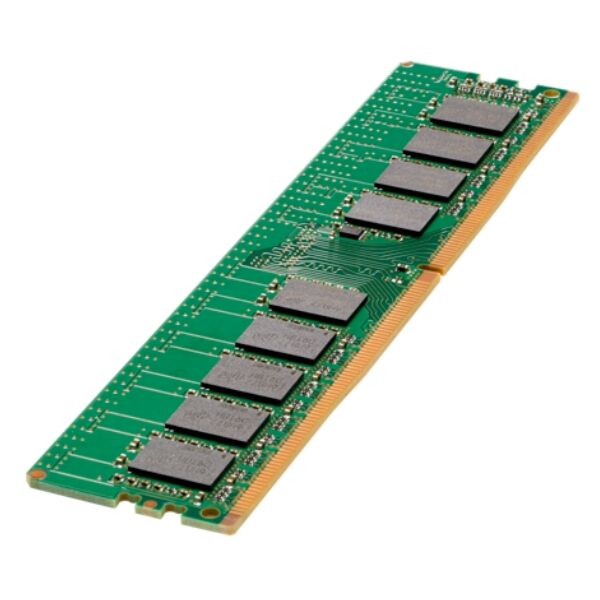
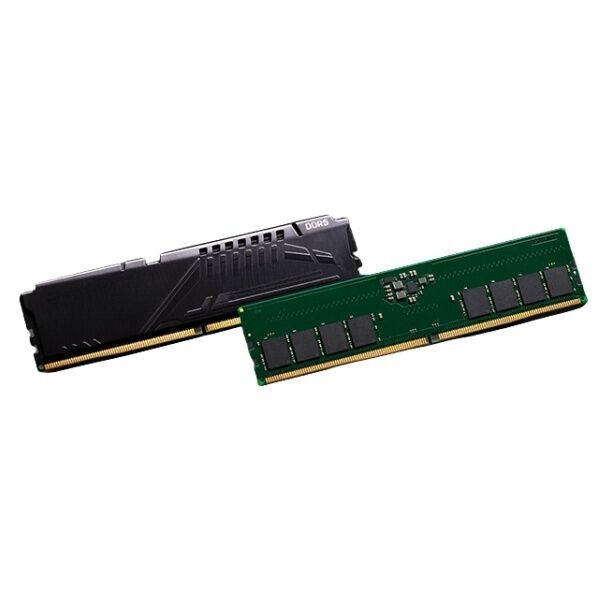
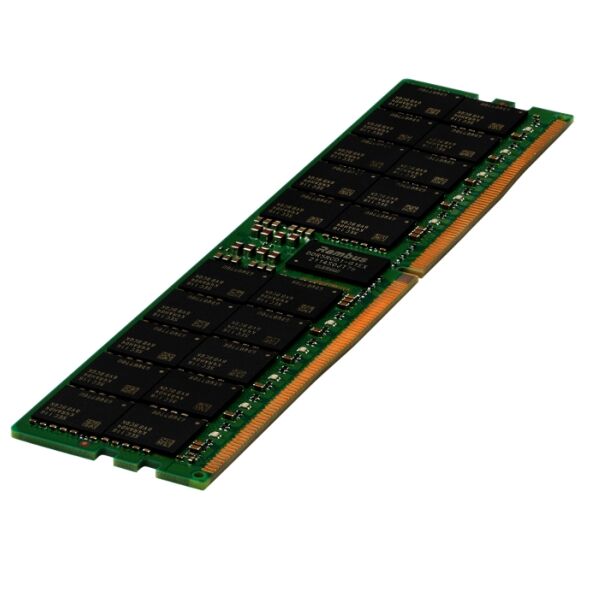
Enterprise memory represents a critical component in modern business computing infrastructure, serving as the foundation for high-performance data processing and storage solutions. This specialized memory technology is engineered specifically for demanding corporate environments where reliability, speed, and scalability are paramount. Enterprise memory systems encompass various forms of volatile and non-volatile storage technologies, including DDR4, DDR5 RAM modules, and advanced persistent memory solutions that bridge the gap between traditional system memory and storage devices. The primary functions of enterprise memory include supporting complex computational workloads, enabling rapid data access for mission-critical applications, and maintaining system stability under continuous operational demands. These memory solutions incorporate sophisticated error correction capabilities, thermal management systems, and enhanced durability features that distinguish them from consumer-grade alternatives. Technological features of enterprise memory include multi-level error correction codes (ECC), which detect and correct data corruption in real-time, ensuring data integrity throughout processing cycles. Advanced enterprise memory systems also feature registered DIMMs that provide additional signal buffering and improved electrical characteristics for stable operation in high-density configurations. Many enterprise memory solutions support hot-swappable functionality, allowing system administrators to replace or upgrade memory modules without interrupting critical business operations. The applications of enterprise memory span across diverse sectors including financial services, healthcare, manufacturing, and cloud computing platforms. In database management systems, enterprise memory accelerates query processing and transaction handling, while in virtualized environments, it enables efficient resource allocation across multiple virtual machines. Scientific computing applications leverage enterprise memory for complex calculations and data modeling, while enterprise resource planning systems rely on these robust memory solutions to manage vast amounts of business data seamlessly.


 EN
EN



![[Urgent Announcement]](https://shopcdnpro.grainajz.com/category/369067/2823/24f53eb2cfe445a5ce2ceed47adc2ef9/a0748799-b14b-4645-bac8-0af04099f8c0.jpg)