Enterprise Data Center Storage Solutions - Secure, Scalable & High-Performance Storage Infrastructure

Your Reliable Partner for Enterprise IT Hardware & Server Solutions

All Categories

data center storage

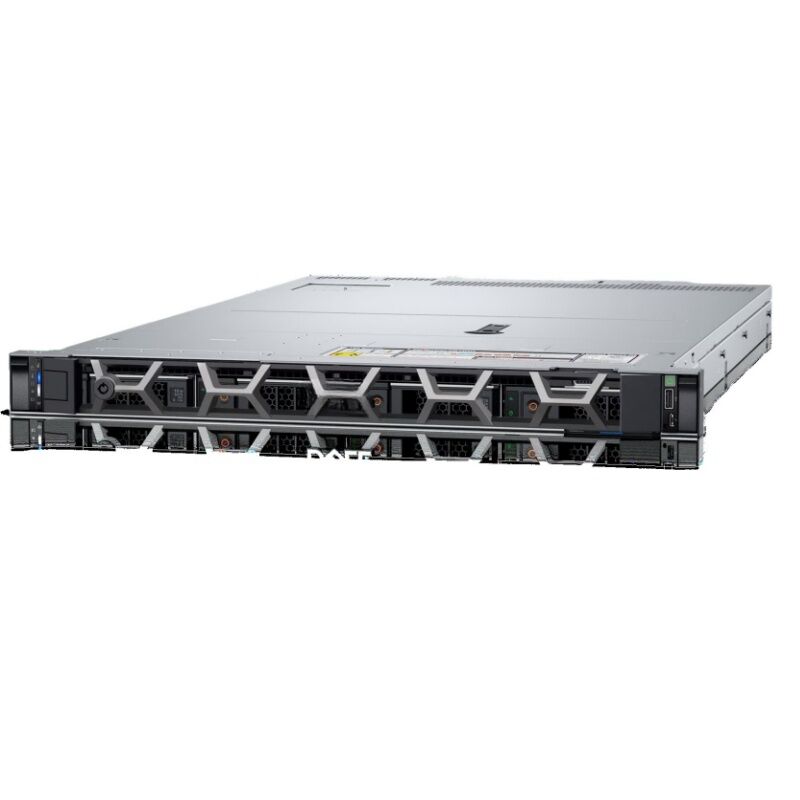
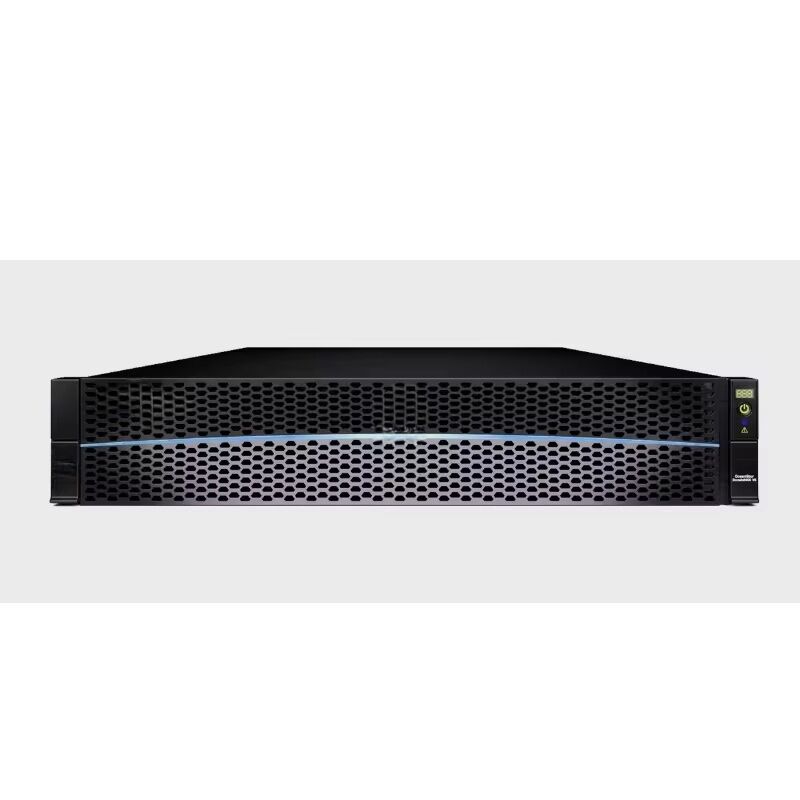
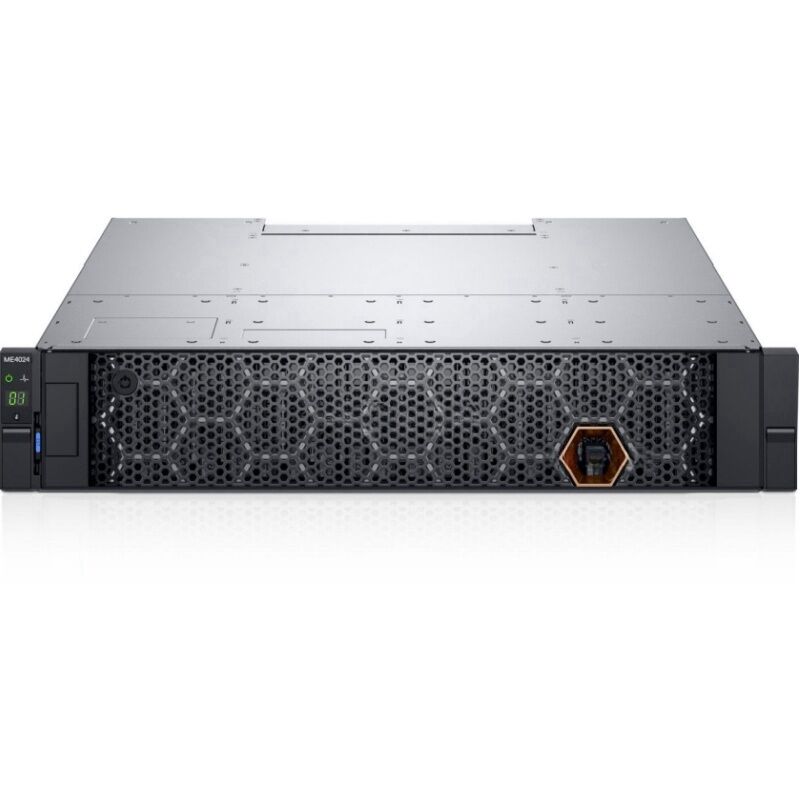
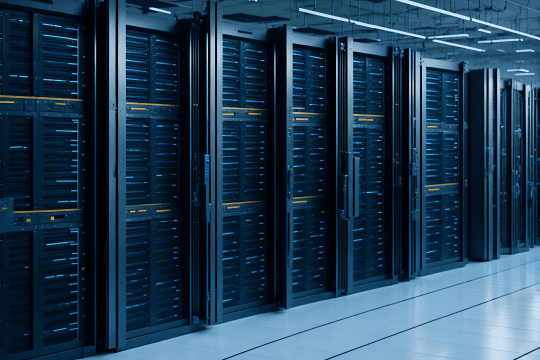
Data center storage represents the backbone of modern digital infrastructure, serving as the critical foundation that enables organizations to manage, protect, and access vast amounts of information efficiently. This sophisticated technology encompasses a comprehensive ecosystem of hardware, software, and networking components designed to store, retrieve, and distribute data across multiple platforms and applications. At its core, data center storage functions as a centralized repository that consolidates an organization's digital assets, providing seamless access to files, databases, applications, and backup copies while maintaining optimal performance standards. The primary functions of data center storage include data consolidation, where scattered information from various sources gets organized into unified storage pools, ensuring consistent management protocols and reducing administrative overhead. Redundancy and fault tolerance mechanisms protect against hardware failures and data loss, while automated backup and recovery systems guarantee business continuity during unexpected disruptions. Load balancing capabilities distribute storage demands across multiple devices, preventing bottlenecks and maintaining consistent response times even during peak usage periods. Technologically, modern data center storage solutions integrate cutting-edge innovations such as solid-state drives that deliver exceptional speed and reliability, advanced compression algorithms that maximize storage efficiency, and intelligent tiering systems that automatically move data between high-performance and cost-effective storage media based on access patterns. Virtualization technologies enable multiple applications to share storage resources dynamically, while software-defined storage architectures provide unprecedented flexibility and scalability options. Applications span across numerous industries and use cases, from supporting cloud computing platforms and hosting mission-critical enterprise applications to powering artificial intelligence workloads and facilitating disaster recovery operations. Healthcare organizations rely on data center storage for patient records management, financial institutions depend on it for transaction processing and regulatory compliance, while e-commerce companies utilize these systems to handle customer data and inventory management seamlessly.

New Product Recommendations

Data center storage delivers transformative benefits that revolutionize how organizations handle their digital assets and operational requirements. Cost efficiency stands as a primary advantage, as centralized storage eliminates the need for multiple individual storage systems across different departments, reducing hardware procurement expenses, maintenance costs, and energy consumption significantly. Organizations can achieve substantial savings through economies of scale, shared infrastructure utilization, and reduced administrative overhead while maintaining superior performance levels. Scalability represents another compelling benefit, allowing businesses to expand their storage capacity seamlessly as data requirements grow without major infrastructure overhauls or service interruptions. This flexibility enables companies to respond quickly to changing market demands, seasonal fluctuations, and unexpected growth opportunities without compromising operational efficiency. Enhanced security measures protect sensitive information through multiple layers of protection, including encryption protocols, access controls, intrusion detection systems, and regular security audits that surpass what individual organizations could implement independently. Professional security teams monitor systems continuously, ensuring threats are identified and neutralized before they can cause damage or compromise confidential data. Improved performance and reliability result from enterprise-grade hardware, redundant systems, and optimized network configurations that deliver consistent high-speed access to stored information. Users experience faster application response times, reduced downtime, and improved productivity levels that directly impact business outcomes and customer satisfaction. Disaster recovery capabilities provide peace of mind through automated backup systems, geographically distributed storage locations, and tested recovery procedures that ensure business continuity during natural disasters, cyber attacks, or equipment failures. Organizations can restore operations quickly and minimize revenue losses while maintaining customer trust and regulatory compliance. Professional management and maintenance services free internal teams to focus on core business activities rather than managing complex storage infrastructure. Expert technicians handle routine maintenance, performance optimization, capacity planning, and troubleshooting, ensuring systems operate at peak efficiency while reducing the burden on internal IT resources and eliminating the need for specialized storage expertise.

Practical Tips

Shanghai Qingguang Electronics Celebrates 8th Anniversary with Robust Global Growth

06

Mar

Shanghai Qingguang Electronics Celebrates 8th Anniversary with Robust Global Growth

View More
Qingguang Electronics Strengthens Global Partnerships Across 30+ Countries

06

Mar

Qingguang Electronics Strengthens Global Partnerships Across 30+ Countries

View More
Qingguang Electronics Launches New IT Solutions to Empower Digital Transformation

06

Mar

Qingguang Electronics Launches New IT Solutions to Empower Digital Transformation

View More
[Urgent Announcement]

25

Jul

[Urgent Announcement]

View More

Get a Free Quote

Our representative will contact you soon.
Email
WhatsApp/Mobile
Name
Company Name
Message
0/1000

data center storage

Advanced Data Protection and Business Continuity

Advanced Data Protection and Business Continuity

Data center storage provides unparalleled data protection through sophisticated redundancy mechanisms and comprehensive business continuity solutions that safeguard organizational assets against various threats and disruptions. Multiple backup strategies work simultaneously to create layered protection, including real-time replication to geographically separated locations, automated snapshot creation at regular intervals, and versioned backup systems that maintain historical data copies for extended periods. These robust protection mechanisms ensure that even in the event of catastrophic hardware failures, natural disasters, or cyber attacks, critical business data remains accessible and recoverable within predetermined time frames. The implementation of RAID configurations across storage arrays provides immediate fault tolerance, allowing systems to continue operating seamlessly even when individual drives fail, while hot-swappable components enable maintenance and repairs without service interruptions. Advanced monitoring systems continuously track storage health metrics, identifying potential issues before they impact operations and triggering automatic failover procedures when necessary. Disaster recovery testing validates protection mechanisms regularly, ensuring that recovery procedures work as expected and meet established recovery time objectives. Geographic distribution of data across multiple facilities provides additional protection against localized disasters, while sophisticated data synchronization technologies maintain consistency across all storage locations. Compliance with industry regulations and standards ensures that data protection measures meet legal requirements for various sectors, including healthcare, finance, and government applications. Organizations benefit from reduced insurance costs, improved regulatory compliance, and enhanced customer confidence knowing their sensitive information receives enterprise-level protection. The combination of proactive monitoring, automated response systems, and proven recovery procedures creates a comprehensive safety net that enables businesses to operate with confidence while minimizing risks associated with data loss or extended downtime periods.
Intelligent Performance Optimization and Resource Management

Intelligent Performance Optimization and Resource Management

Modern data center storage systems incorporate intelligent performance optimization technologies that automatically adapt to changing workload demands and usage patterns, delivering consistent high-performance access to stored data while maximizing resource utilization efficiency. Advanced analytics engines continuously monitor access patterns, identifying frequently used data and automatically migrating it to high-speed storage tiers for optimal performance, while moving less frequently accessed information to cost-effective storage media without compromising availability. Machine learning algorithms analyze historical usage trends to predict future demands, enabling proactive capacity planning and performance tuning that prevents bottlenecks before they impact user experience. Quality of Service controls ensure that critical applications receive priority access to storage resources during peak demand periods, while load balancing technologies distribute requests across multiple storage nodes to prevent any single component from becoming overwhelmed. Caching mechanisms store frequently accessed data in high-speed memory systems, dramatically reducing response times for common queries and improving overall system responsiveness. Compression and deduplication technologies maximize storage efficiency by eliminating redundant data and reducing the physical storage space required for information retention, resulting in significant cost savings and improved performance through reduced data transfer requirements. Automated tiering systems continuously evaluate data value and access patterns, moving information between different storage classes to optimize both performance and cost-effectiveness without manual intervention. These intelligent systems adapt to changing business requirements automatically, ensuring that storage resources align with organizational priorities and usage patterns. Performance monitoring dashboards provide real-time visibility into system metrics, enabling administrators to identify optimization opportunities and track the effectiveness of automated optimization efforts. The result is a storage infrastructure that delivers consistent high performance while minimizing operational overhead and maximizing return on investment through efficient resource utilization.
Seamless Integration and Future-Ready Scalability

Seamless Integration and Future-Ready Scalability

Data center storage solutions excel in providing seamless integration capabilities with existing IT infrastructure while offering future-ready scalability options that accommodate organizational growth and technological evolution. Standardized interfaces and protocols ensure compatibility with diverse operating systems, applications, and network configurations, enabling smooth integration into existing environments without requiring extensive modifications or specialized training. API-driven architectures facilitate automation and integration with cloud platforms, backup solutions, and enterprise management tools, creating cohesive IT ecosystems that work together efficiently. Virtualization support enables multiple applications and departments to share storage resources dynamically, optimizing utilization rates while maintaining performance isolation and security boundaries between different workloads. Hybrid cloud integration capabilities allow organizations to extend their storage infrastructure seamlessly into public cloud environments, creating flexible deployment models that balance cost, performance, and control requirements. Software-defined storage architectures separate storage functionality from underlying hardware, providing unprecedented flexibility in resource allocation and enabling rapid adaptation to changing requirements without hardware constraints. Modular expansion options allow capacity increases through simple addition of storage nodes or drives, eliminating the need for forklift upgrades or service interruptions during growth phases. Container and microservices support ensures compatibility with modern application architectures and development methodologies, enabling organizations to adopt new technologies without storage limitations. Multi-protocol support accommodates various data access methods, from traditional file and block storage to object storage and modern NoSQL databases, providing flexibility for diverse application requirements. Migration tools and services facilitate smooth transitions from legacy storage systems, minimizing disruption and ensuring data integrity throughout upgrade processes. Future-proofing investments through regular technology refresh cycles and upgrade pathways protect against obsolescence while ensuring access to latest innovations and capabilities as they become available in the marketplace.

Get a Free Quote

Our representative will contact you soon.
Email
WhatsApp/Mobile
Name
Company Name
Message
0/1000