data center hard drive
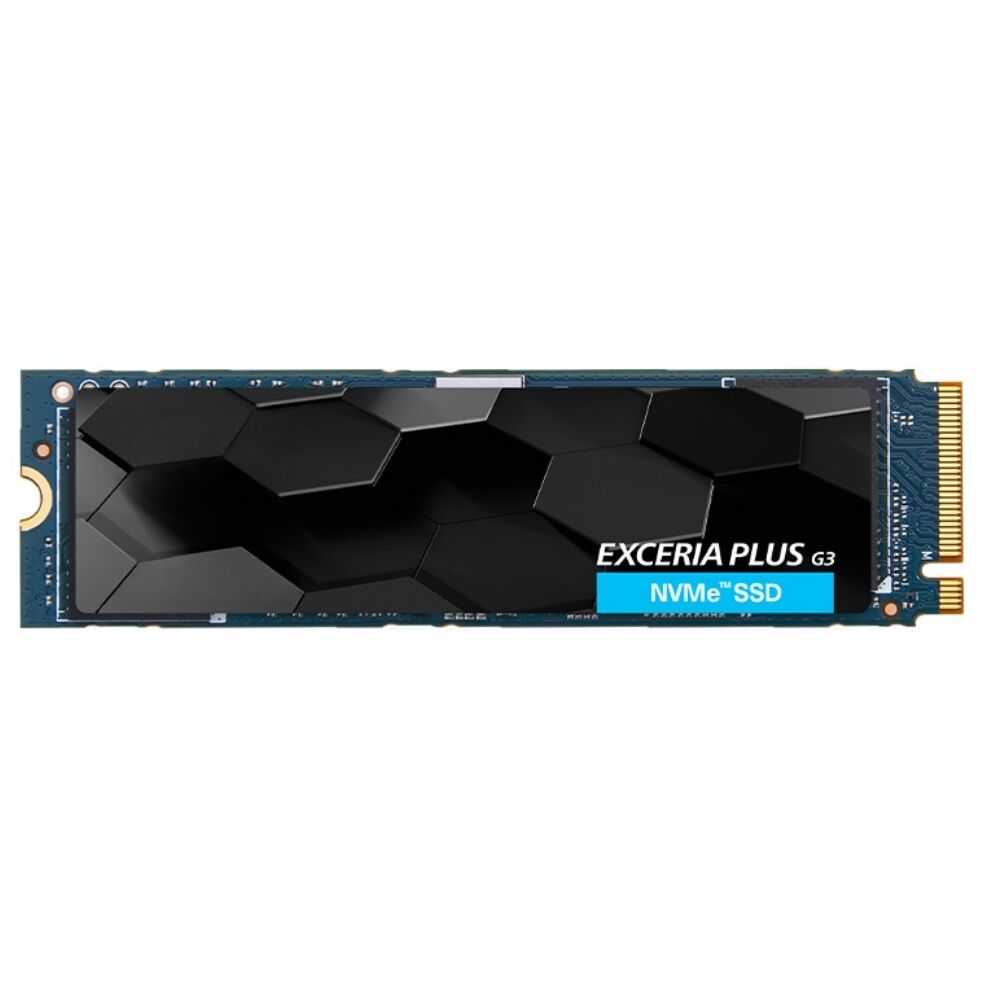
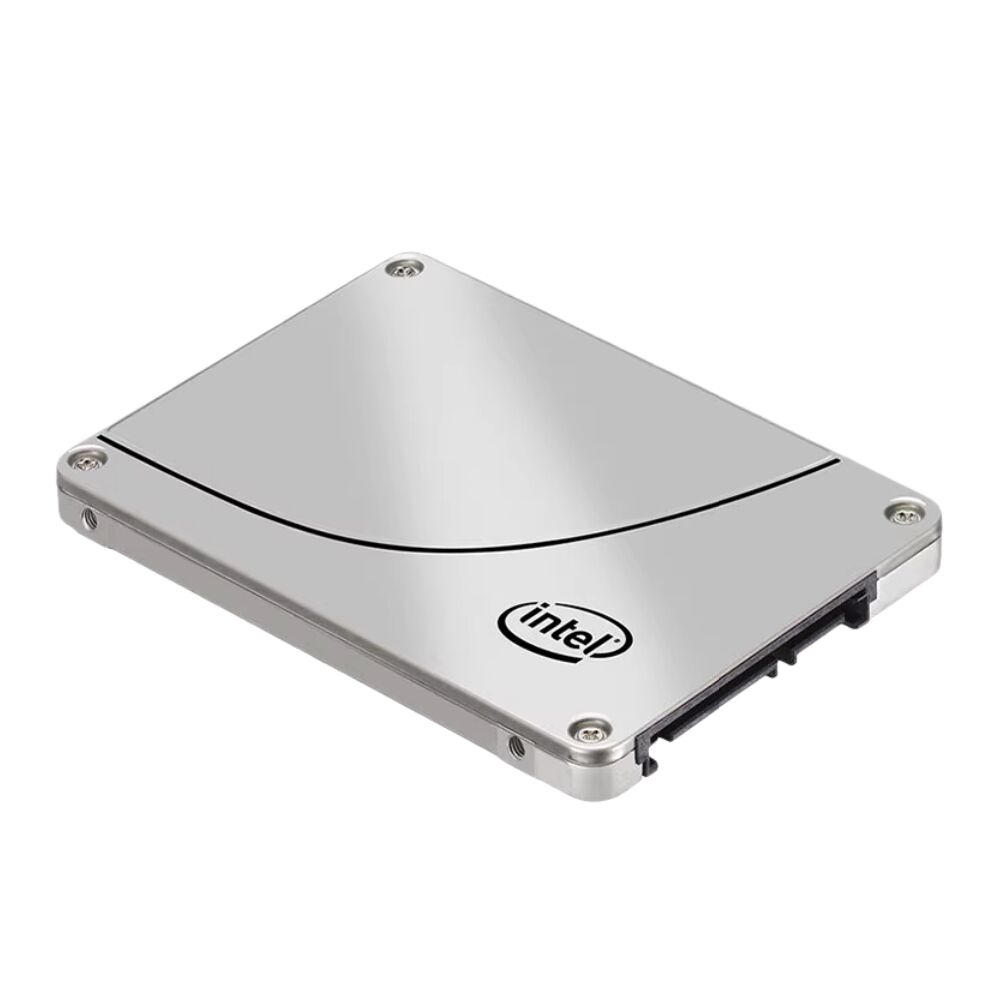
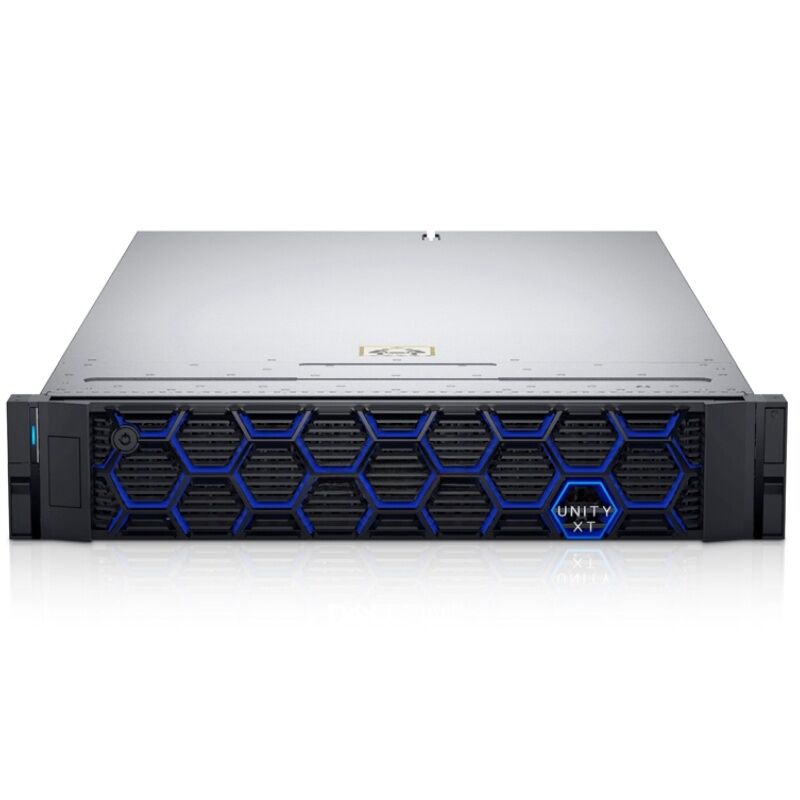
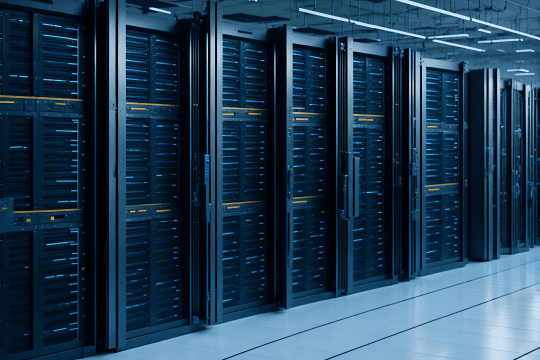
A data center hard drive represents a specialized storage solution engineered specifically for enterprise-level computing environments where reliability, performance, and durability are paramount. Unlike consumer-grade storage devices, the data center hard drive incorporates advanced technologies and robust construction to handle the demanding workloads typical in modern server infrastructures. These drives serve as the backbone of digital storage systems, housing critical business data, applications, and operating systems that power everything from cloud services to financial transactions. The primary function of a data center hard drive involves storing and retrieving vast amounts of information with exceptional speed and accuracy. These drives must operate continuously, often running 24 hours a day, 365 days a year, without experiencing significant performance degradation. The technological features that distinguish data center hard drives include enhanced error correction capabilities, advanced vibration resistance mechanisms, and sophisticated thermal management systems. Many models incorporate dual-port connectivity options, allowing multiple servers to access the same drive simultaneously for improved redundancy and performance. The rotational vibration sensors built into these drives actively monitor and compensate for mechanical disturbances that could affect data integrity. Additionally, data center hard drives feature extended mean time between failures rates, often exceeding 2.5 million hours, ensuring long-term operational stability. Applications for data center hard drives span numerous industries and use cases. Financial institutions rely on these drives to process millions of transactions daily while maintaining strict compliance requirements. Healthcare organizations use them to store patient records, medical imaging data, and electronic health records that require instant access and absolute reliability. Cloud service providers deploy thousands of data center hard drives to support streaming services, online storage platforms, and web applications serving millions of users simultaneously. Manufacturing companies utilize these drives in their enterprise resource planning systems to manage supply chains, inventory tracking, and production scheduling. The drives also play crucial roles in artificial intelligence and machine learning applications, where large datasets must be processed rapidly and efficiently to train complex algorithms and generate actionable insights for business decision-making processes.



 EN
EN

![[Urgent Announcement]](https://shopcdnpro.grainajz.com/category/369067/2823/24f53eb2cfe445a5ce2ceed47adc2ef9/a0748799-b14b-4645-bac8-0af04099f8c0.jpg)